
Shanghai Newdi Navigation Technology Co.,Ltd

High-Precision gnss rtk receiver Solutions for Algeria

Empowering Algerian infrastructure and agriculture with world-class surveying and precision positioning technology tailored for North African terrains.

High-Precision gnss rtk receiver Solutions for Algeria

Integrating cutting-edge surveying equipment to enhance accuracy in construction, land management, and precision farming across Algeria's diverse landscapes.

Current State of Geomatics in Algeria

Addressing the challenges of extreme climates and vast desert expanses.

Algeria's surveying landscape is characterized by a sharp contrast between dense urban centers like Algiers and the vast, arid stretches of the Sahara. The demand for reliable surveying equipment has surged as the government pushes for modernized infrastructure and improved land registry systems to support economic diversification.

Environmental factors, specifically extreme heat and sand infiltration, pose significant risks to sensitive electronics. Local engineers are increasingly shifting from legacy tools to ruggedized total station units and satellite-based systems that can withstand high thermal stress without losing calibration accuracy.

Furthermore, the adoption of gps diferencial technology is becoming critical for large-scale mining and oil & gas exploration in the south, where traditional landmarks are non-existent and centimeter-level precision is required for resource extraction.
Evolution of Precision Measurement in Algeria

From optical measurements to real-time satellite kinematics.

Market Development History

In the late 20th century, Algerian surveying relied heavily on mechanical theodolites and basic optical levels. These tools required immense manual labor and were prone to human error, especially in the challenging terrains of the Atlas Mountains.

By the 2010s, the market saw a transition toward electronic distance measurement (EDM) and the widespread introduction of the total station, which streamlined data collection and reduced the time required for cadastral surveys.

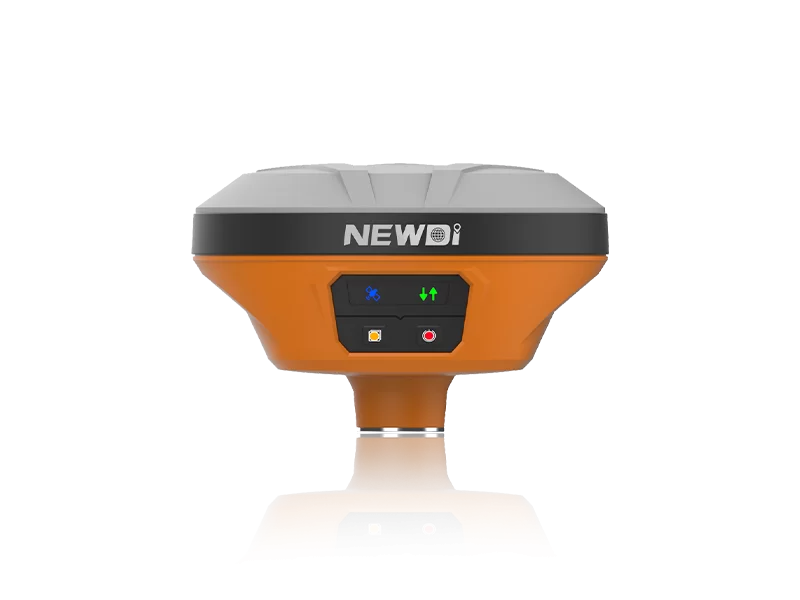
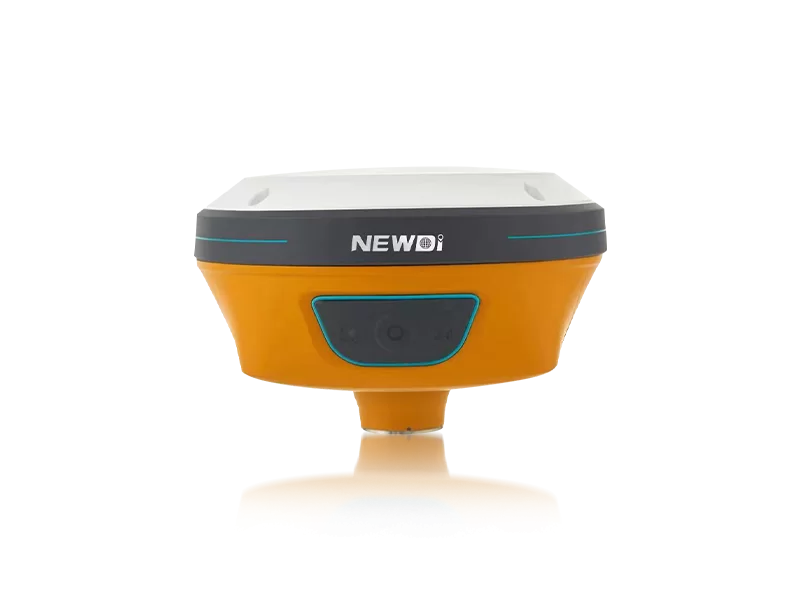
From 2018 onwards, there has been a rapid leap toward GNSS technology. The integration of gnss rtk receiver systems has revolutionized the industry, allowing for real-time corrections and eliminating the need for complex baseline processing in the field.

Future Development Trends

AI-Driven Site Analysis

Integration of machine learning with spatial data to predict land subsidence and soil erosion in coastal Algerian cities.

Autonomous Agricultural Guidance

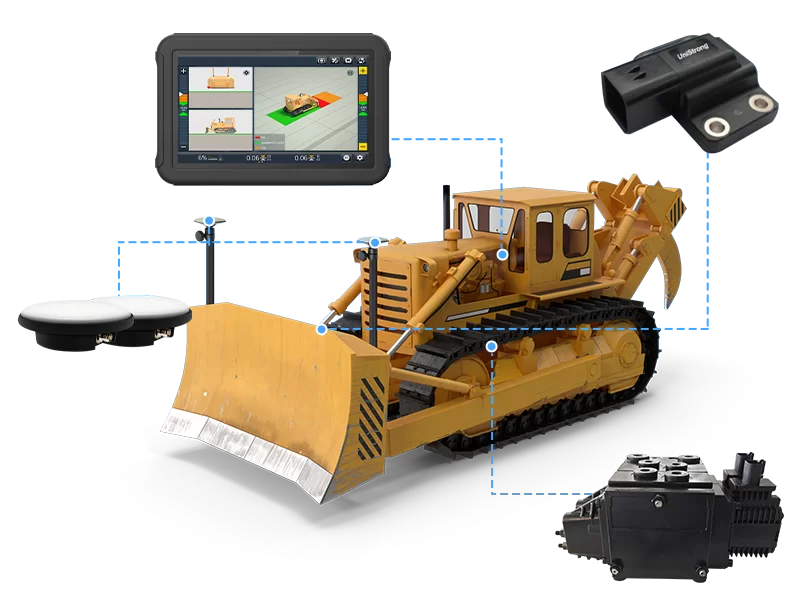
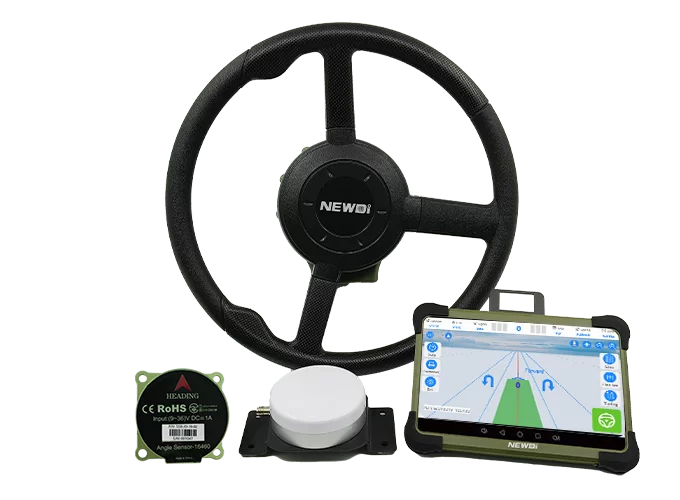
The rise of the auto steer tractor to optimize seed placement and fertilizer use in the northern agricultural plains.

Multi-Constellation Convergence

Transitioning from GPS-only systems to multi-GNSS (Galileo, Beidou, GLONASS) for uninterrupted signal availability in deep valley regions.

Industry Outlook and Future Horizons

Analyzing the shift towards digitalization and automation in Algerian geomatics.

Satellite Mesh Networks
Expanding CORS networks across Algeria to provide seamless RTK corrections everywhere.
Precision Ag-Tech
Implementing auto steer tractor systems to reduce overlap and waste in large wheat farms.
Cloud-Based GIS
Moving from local storage to real-time cloud synchronization for municipal project management.
Hybrid Positioning
Combining gps diferencial with inertial sensors for tunnel and underground surveying.

Industry Outlook

Over the next 3-5 years, the Algerian market is expected to shift from simple hardware acquisition to integrated "Positioning-as-a-Service" models. Google Search trends in the region indicate a growing interest in automated machinery and high-precision mapping for urban renewal projects.

As Algeria continues to invest in its "Vision 2030" infrastructure goals, the synergy between GNSS technology and BIM (Building Information Modeling) will become the standard for all public works, driving the adoption of high-end surveying equipment.

Local Application Scenarios in Algeria

Real-world deployment of precision instruments across Algerian sectors.

1. Sahara Resource Mapping

Using high-end gnss rtk receiver units to delineate oil and gas concessions in the Hassi Messaoud region, ensuring boundaries are accurate to the centimeter despite the lack of physical markers.

2. Northern Agricultural Optimization

Deploying auto steer tractor systems in the Mitidja Plain to maximize crop yields and reduce fuel consumption through precision row planting.

3. Urban Expansion in Algiers

Utilizing the total station for high-density urban surveying and facade monitoring in the historic Casbah area to prevent structural collapse during renovations.

4. National Highway Construction

Implementing gps diferencial corrections for the construction of the East-West Highway, ensuring precise grading and alignment over thousands of kilometers.

5. Cadastral Land Reform

Modernizing land ownership records across the steppe regions using integrated surveying equipment to resolve border disputes and facilitate agricultural investment.

Brand Story

Global Development Journey of Shanghai NCTNav Technology Co., Ltd.

Foundational Innovation

NCTNav began with a mission to bridge the gap between complex satellite data and practical field application, focusing on robust GNSS hardware.

Technological Breakthrough

We developed proprietary RTK algorithms that significantly reduced convergence time, solving the "cold start" pain point for surveyors worldwide.

Global Market Expansion

Expanding into Africa and the Middle East, we tailored our equipment to withstand extreme heat and dust, ensuring reliability in the harshest environments.

Agricultural Revolution

The launch of our precision guidance systems for tractors transformed traditional farming into data-driven agriculture, increasing efficiency globally.

Future Vision

Our commitment remains clear: to provide the world's most accurate and accessible positioning tools to empower every engineer and farmer on earth.

Comprehensive Precision Portfolio for Algeria

A curated selection of instruments designed for North African challenges.

Frequently Asked Questions in Algeria

Expert answers to common technical queries regarding precision surveying.

How does a gnss rtk receiver perform in the Sahara desert?

Our receivers are built with industrial-grade thermal management and IP67 ratings to prevent sand ingress and maintain accuracy even in temperatures exceeding 50°C.

What is the difference between a total station and GNSS for urban Algiers?

A total station is preferred in narrow streets where "urban canyons" block satellite signals, while GNSS is ideal for open areas and large-scale boundary mapping.

Can an auto steer tractor be installed on older Algerian machinery?

Yes, our universal steering kits are designed to be retrofitted onto a wide variety of tractor brands common in North Africa, providing modern precision to existing fleets.

How often should surveying equipment be calibrated in sandy environments?

Due to the abrasive nature of desert sand, we recommend a professional calibration every 6 months and daily field checks to ensure maximum precision.

Does gps diferencial require a local base station in Algeria?

While a local base station provides the highest reliability, our systems also support NTRIP casting via cellular networks in areas with adequate coverage.

Which surveying equipment is best for mountainous terrain like the Atlas?

A combination of RTK GNSS for open ridge lines and a high-precision total station for steep slopes and shaded valleys is the most effective approach.

Ready to Upgrade Your Precision?

Our specialists are ready to provide customized geomatics solutions for your projects in Algeria.

Contact Us Now