

Shanghai Newdi Navigation Technology Co.,Ltd

Advanced Precision gnss rtk receiver Solutions for Uganda

Empowering Uganda's infrastructure and agriculture with world-class surveying and positioning technology for centimeter-level accuracy.

Advanced Precision gnss rtk receiver Solutions for Uganda

Our comprehensive ecosystem of high-precision instruments is designed to meet the rigorous demands of Uganda's diverse terrain, from the highlands of Kabale to the Lake Victoria basin.

Current Landscape of Geomatics in Uganda

Analyzing the adoption of precision measurement tools in the Pearl of Africa.

In Uganda, the reliance on traditional surveying equipment has long been the standard for land titling and road construction. However, the challenging tropical climate and dense vegetation in regions like the Albertine Rift often hinder line-of-sight measurements, creating a critical need for satellite-based positioning.

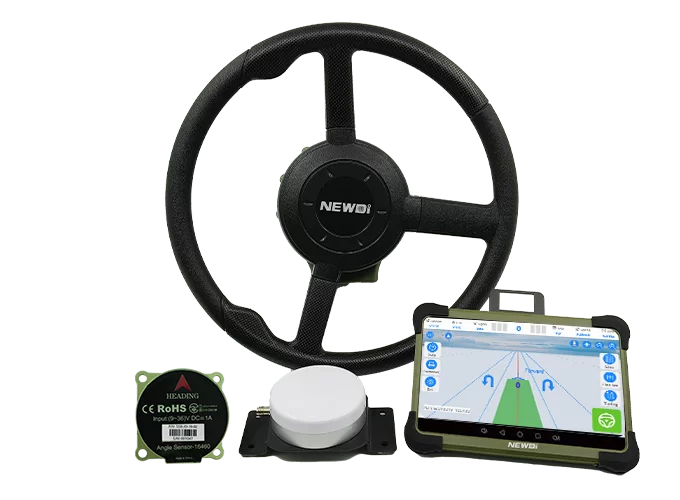
The agricultural sector, a backbone of the Ugandan economy, is currently undergoing a digital shift. Farmers are beginning to move away from manual seed drilling toward the adoption of an auto steer tractor system to optimize land use and reduce fuel waste in large-scale sugarcane and coffee plantations.

Urban expansion in Kampala and Entebbe has increased the demand for a total station for complex architectural layouts, yet there is a growing gap in technical expertise for integrating real-time kinematic (RTK) networks across rural districts.
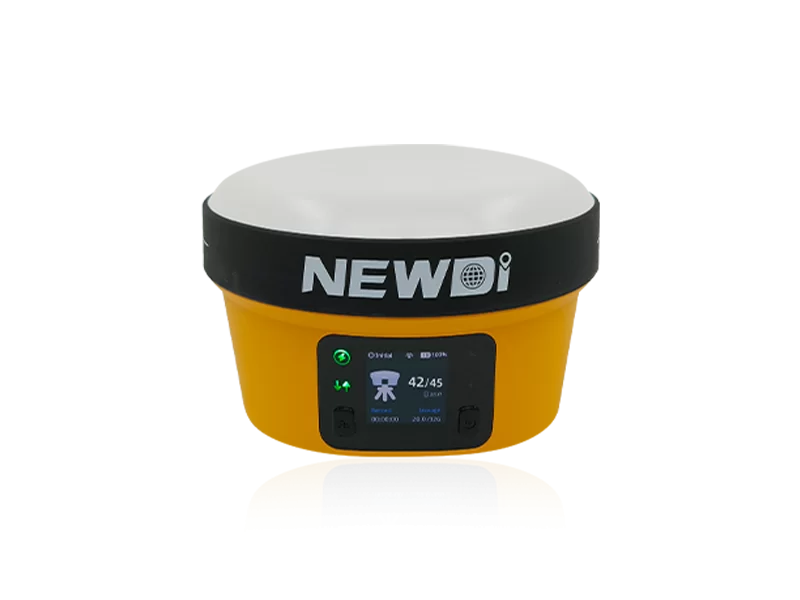
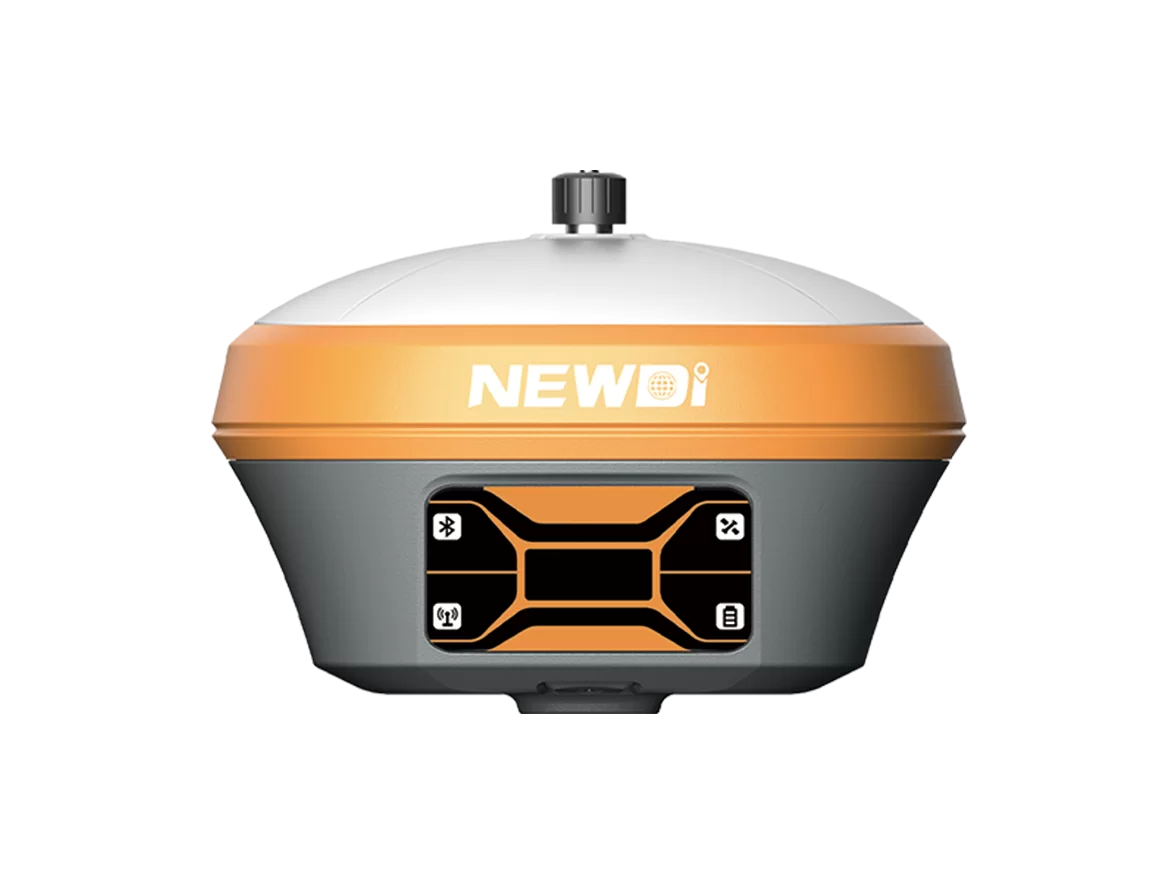
Evolution of Surveying Technology in Uganda

From optical measurements to satellite-driven intelligence.

Market Development History

Between 1990 and 2010, the Ugandan market was dominated by mechanical theodolites and basic optical levels. These tools provided the foundation for early national mapping but were time-consuming and prone to human error in the field.

From 2010 to 2020, the introduction of electronic distance measurement (EDM) and early-stage GPS shifted the paradigm. This era saw the first significant adoption of gps diferencial techniques to correct atmospheric errors, enhancing the accuracy of cadastral surveys.

Post-2020, the market has transitioned toward "Instant-On" technology. The integration of multi-constellation GNSS allows Ugandan surveyors to achieve fixed solutions in seconds, even under partial canopy cover, drastically increasing operational efficiency.

Future Development Trends

Integration of IoT and GNSS

We predict a surge in the synchronization of RTK receivers with cloud-based Land Information Systems (LIS) to automate land registration in Uganda.

Autonomous Agri-Machinery

The transition from assisted steering to fully autonomous farming will accelerate, driven by the need for food security and precision nutrient application.

Drone-RTK Convergence

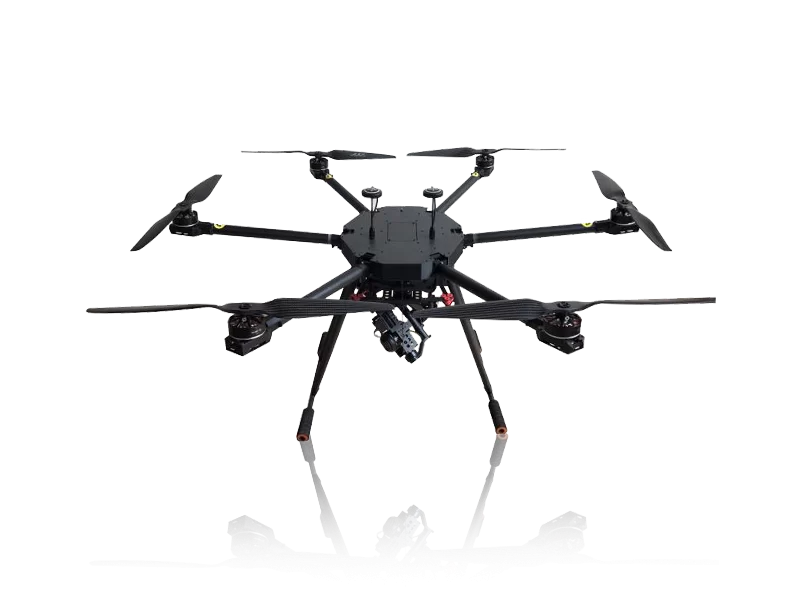
The synergy between UAVs and ground-based RTK bases will become the primary method for rapid topographic mapping of Uganda's undulating landscapes.

Industry Trends & Strategic Outlook

Predicting the trajectory of precision measurement in the East African hub.

RTK Network Expansion
Establishing more CORS stations across Uganda to eliminate the need for local base stations.
Precision Agriculture
Widespread adoption of autonomous steering to increase crop yields in the cattle corridor.
Hybrid Workflow
Combining traditional optical tools with GNSS for maximum reliability in urban canyons.
Cloud-Based Data
Real-time data streaming from the field to the office via 4G/5G networks in Kampala.

Industry Outlook

Google search trends indicate a rising interest in "smart farming" and "digital land mapping" across East Africa. We anticipate that within 3-5 years, the demand for integrated GNSS solutions will shift from high-end government projects to small and medium-sized private enterprises in Uganda.

The future will be defined by "Interoperability." Equipment that can seamlessly communicate across different brands and platforms will dominate the Ugandan market, allowing for more flexible project management and lower operational costs.

Local Application Scenarios in Uganda

Real-world implementations of precision measurement in the Ugandan context.

01. Road Infrastructure Expansion

Utilizing a total station and RTK receivers to ensure precise grading and alignment for the expansion of highways connecting Kampala to the western regions.

02. Large-Scale Sugarcane Plantation Management

Implementing an auto steer tractor system in the districts of Jinja and Kayunga to reduce overlapping and optimize fertilizer application.

03. Cadastral Land Titling Reform

Using gps diferencial technology to resolve land boundary disputes and accelerate the issuance of land titles in rural villages.

04. Hydroelectric Dam Site Surveying

Deploying high-precision surveying equipment for volumetric calculations and geological mapping in the Nile river basin projects.

05. Urban Planning in Kampala City

Creating high-resolution 3D maps of the metropolitan area using GNSS-integrated receivers to improve drainage systems and mitigate flood risks.

Brand Story

Global Development Journey of Shanghai Newland Navigation Technology Co., Ltd.

The Genesis of Precision

Founded with a mission to democratize high-precision positioning, we began by solving the complex challenge of signal interference in dense urban environments.

Technological Breakthroughs

We pioneered proprietary algorithms that reduced the "time-to-fix" for RTK receivers, making real-time surveying faster and more reliable globally.

Global Market Expansion

Expanding beyond Asia, we adapted our hardware to survive extreme climates, ensuring stability in the humid tropics and arid deserts alike.

Commitment to Agriculture

We integrated GNSS with machine control, evolving from mere measurement tools to active guidance systems for the global farming community.

Vision for the Future

Our goal is to provide the "digital eyes" for every infrastructure project in Uganda and beyond, bridging the gap between physical land and digital data.

Complete Precision Product Portfolio for Uganda

Integrated tools for every surveying and agricultural challenge in the region.

Uganda Precision Equipment FAQ

Answers to common technical questions from local professionals.

How does a gnss rtk receiver perform under heavy forest cover in Uganda?

Our receivers utilize multi-frequency and multi-constellation tracking, which significantly improves signal penetration and reduces the risk of cycle slips in forested areas.

What is the difference between a total station and GNSS for urban surveying in Kampala?

A total station is ideal for short-range, high-precision work where satellites are blocked by tall buildings, while GNSS is superior for large-scale boundary mapping.

Can an auto steer tractor be installed on older tractor models used in Uganda?

Yes, our universal steering kits are designed to be compatible with various mechanical setups, allowing farmers to upgrade older machinery to precision standards.

Why should I choose gps diferencial over standard GPS for land titling?

Differential GPS removes atmospheric errors by using a reference station, bringing accuracy from meters down to centimeters, which is essential for legal boundaries.

What is the best surveying equipment for volumetric calculations in Ugandan quarries?

A combination of an RTK receiver for control points and a total station or drone for surface mapping provides the most accurate volume data.

How do I maintain my precision instruments in Uganda's humid climate?

We recommend storing equipment in moisture-proof cases with silica gel and performing regular calibration checks to ensure sensor accuracy.

Ready to Elevate Your Precision?

Contact our experts today for a customized positioning solution tailored to the unique landscape of Uganda.

Contact Us Now