
Mauritius faces unique geospatial challenges due to its volcanic topography and dense coastal developments. Currently, the reliance on traditional total station systems is shifting as the government pushes for "Smart City" initiatives, requiring more dynamic and scalable data collection methods.
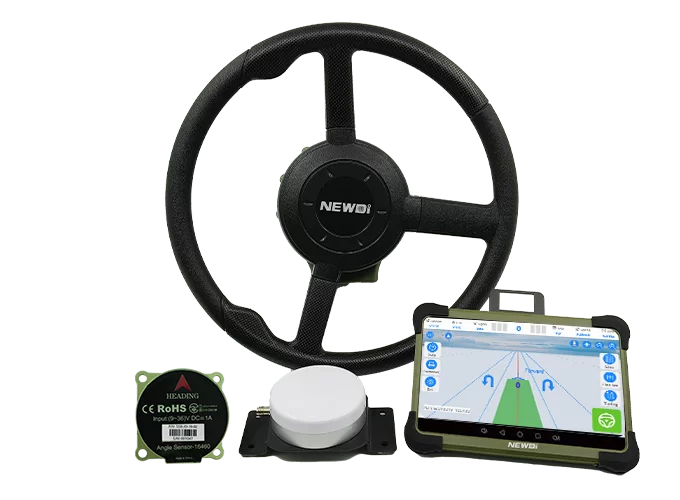
In the agricultural sector, specifically sugarcane cultivation, there is a growing demand for precision farming. The integration of auto steer tractor systems is becoming critical to optimize land use and reduce overlap in fertilizer application across the island's undulating plains.
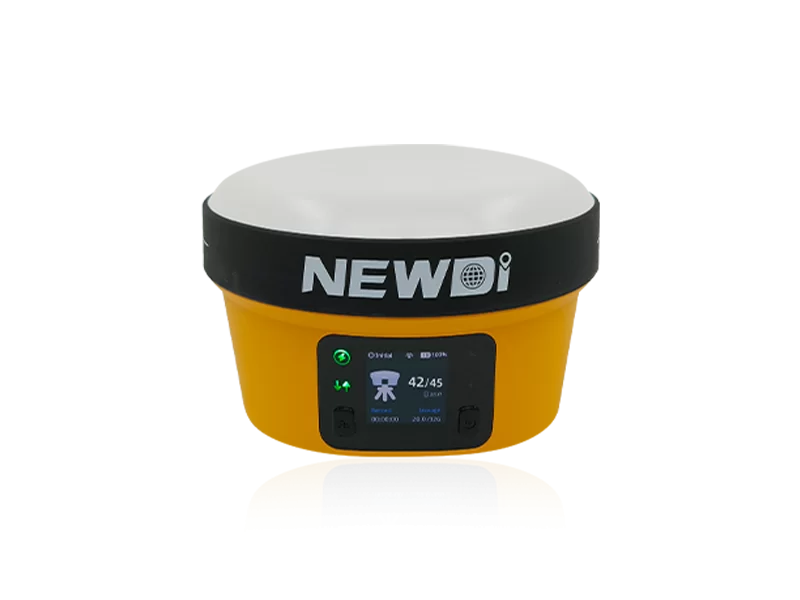
Despite the progress, many local firms still struggle with signal interference in mountainous interior regions. This has led to an increased search for high-performance gps diferencial corrections to maintain consistency in cadastral mapping and coastal erosion monitoring.