
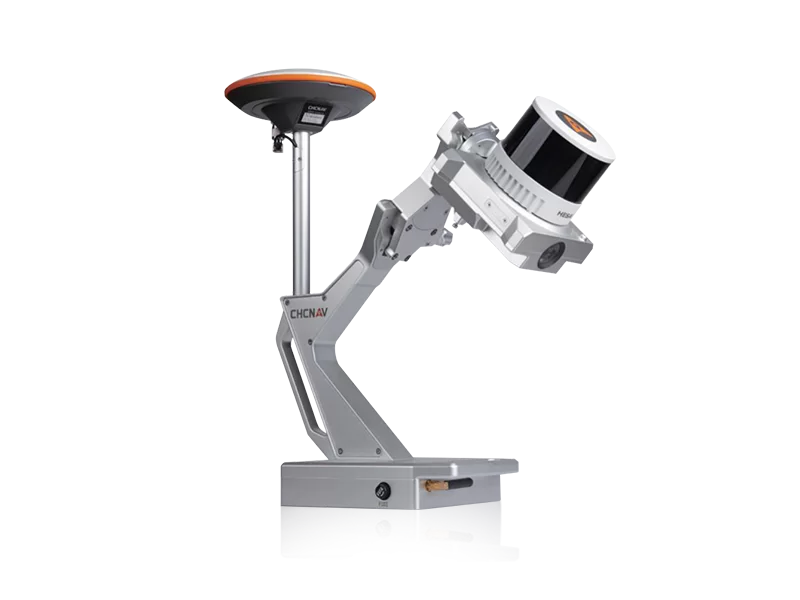
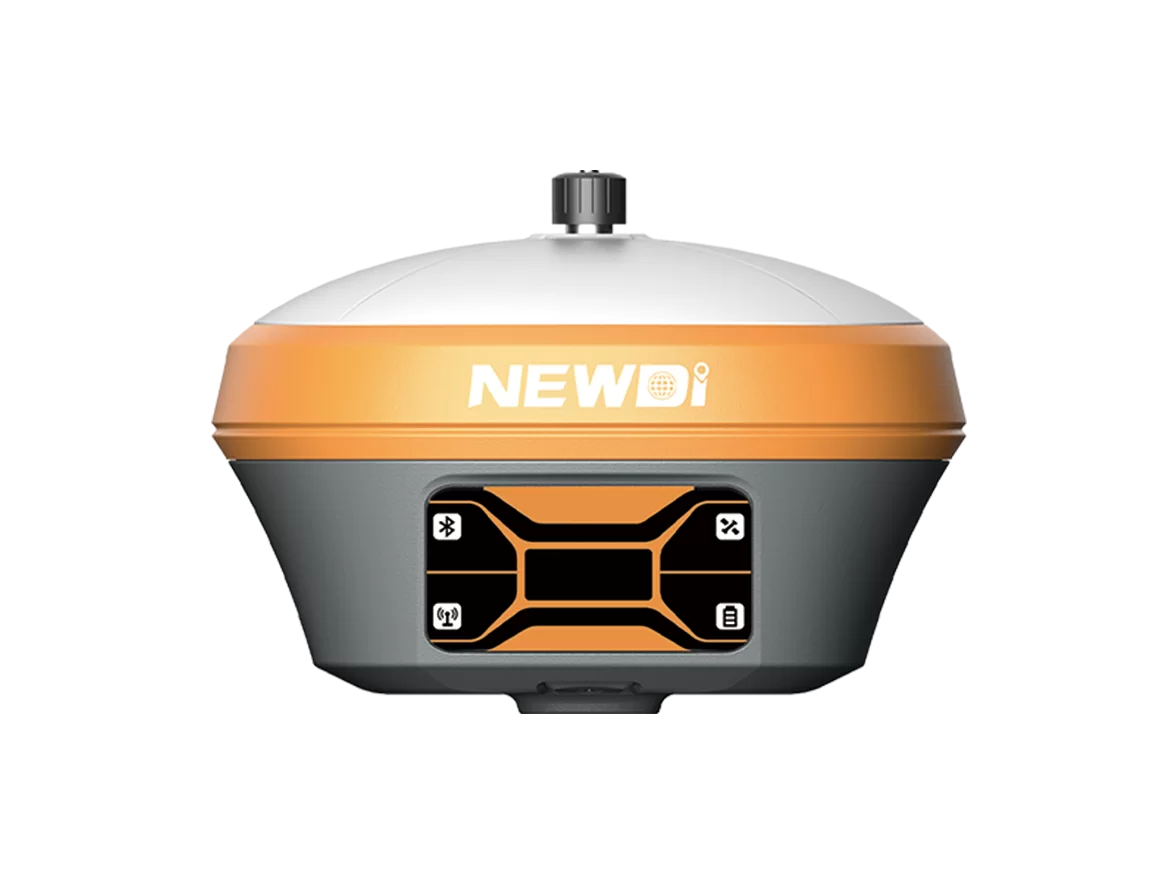
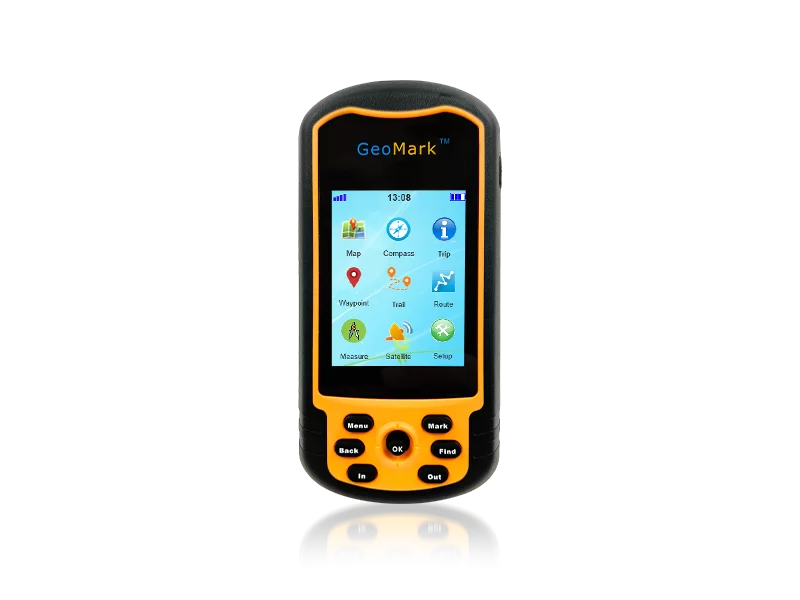
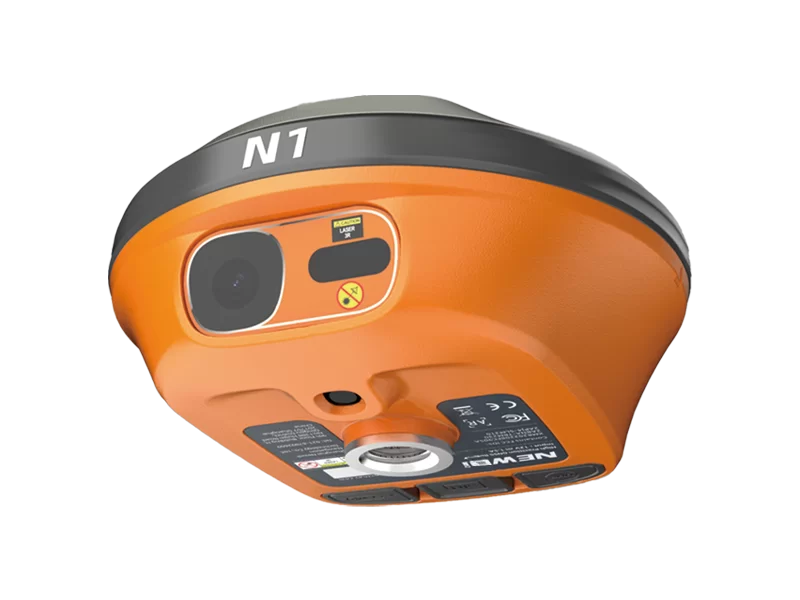
In Libya, the industry is currently characterized by a transition from traditional optical tools to digital systems. Due to the vast desert terrains and coastal urban centers, there is a growing demand for robust total station units that can withstand extreme heat and sand ingress while maintaining millimeter precision.
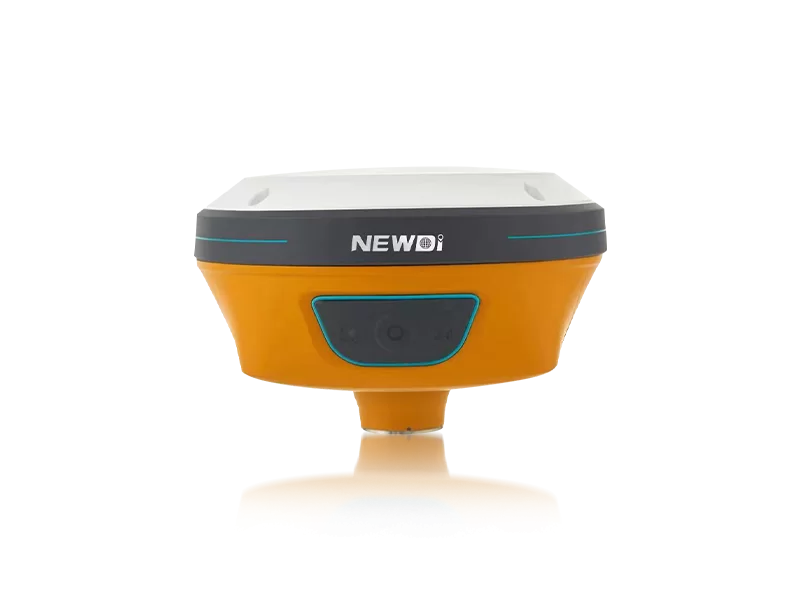
The reconstruction of urban infrastructure and the management of oil and gas pipelines have accelerated the adoption of satellite-based positioning. However, many local operators still struggle with signal interference in dense urban areas or the lack of localized base stations for gps diferencial corrections.
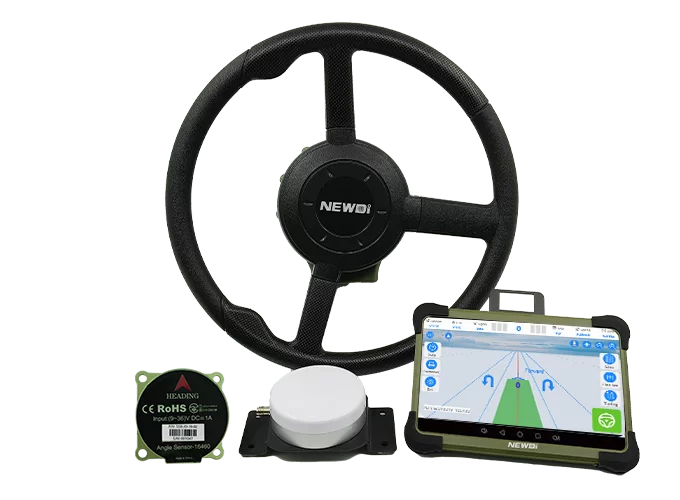
Furthermore, the agricultural sector in regions like the Al Jabal al Akhdar is beginning to recognize the efficiency of precision farming. The integration of an auto steer tractor system is becoming a priority to reduce overlap and optimize water usage in an arid climate.