
Shanghai Newdi Navigation Technology Co.,Ltd

High-Precision GNSS RTK Receiver Solutions for Venezuela Infrastructure

Empowering Venezuelan engineering and agriculture with world-class surveying and autonomous steering precision.

High-Precision GNSS RTK Receiver Solutions for Venezuela Infrastructure

Integrating cutting-edge geospatial technology to optimize land measurement, mining, and precision farming across the diverse terrains of Venezuela.

Current State of Surveying Instrumentation in Venezuela

Analyzing the intersection of geological challenges and technological adoption in the region.

Venezuela's unique geography, ranging from the Andean highlands to the Orinoco basin, demands highly resilient surveying equipment. Currently, the industry is facing a transition where legacy manual methods are being replaced by digital workflows to combat efficiency losses in harsh tropical climates.

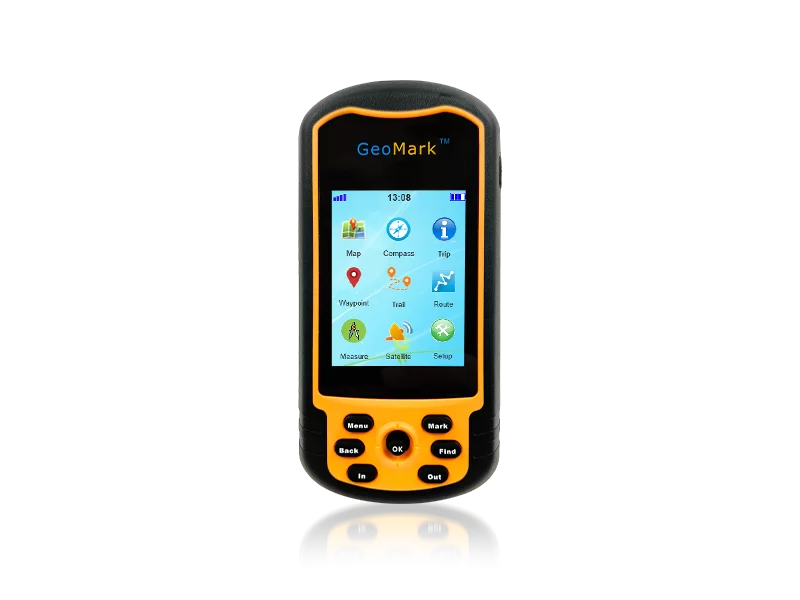
Economic volatility has led to a demand for cost-effective yet durable tools. There is a significant shift toward adopting gps diferencial systems to ensure centimeter-level accuracy in oil and gas pipeline monitoring and large-scale agricultural mapping.

Despite infrastructure challenges, the adoption of satellite-based corrections is rising, as the need for rapid land redistribution and urban planning in cities like Caracas requires the speed and reliability provided by modern RTK technology.
Evolution of Precision Measurement in Venezuela

From optical triangulation to autonomous satellite-guided systems.

Market Development History

In the late 20th century, Venezuelan surveying relied heavily on mechanical total station units and optical levels. These tools provided a foundation for the country's initial industrialization but were limited by slow data collection speeds and manual recording errors.

Between 2000 and 2015, the introduction of early GPS technology transformed the sector. The transition to differential GPS allowed for wider area coverage, though it still required significant post-processing time before data could be utilized for engineering projects.

From 2016 to the present, the market has pivoted toward real-time kinematics (RTK). The integration of multi-constellation receivers has drastically reduced signal blockage in dense jungles and mountainous areas, enabling immediate field-to-office data transfers.

Future Development Trends

Convergence of AI and Geomatics

Integration of machine learning with RTK data to automatically identify terrain anomalies and optimize resource extraction in Venezuelan mining sectors.

Expansion of Autonomous Agriculture

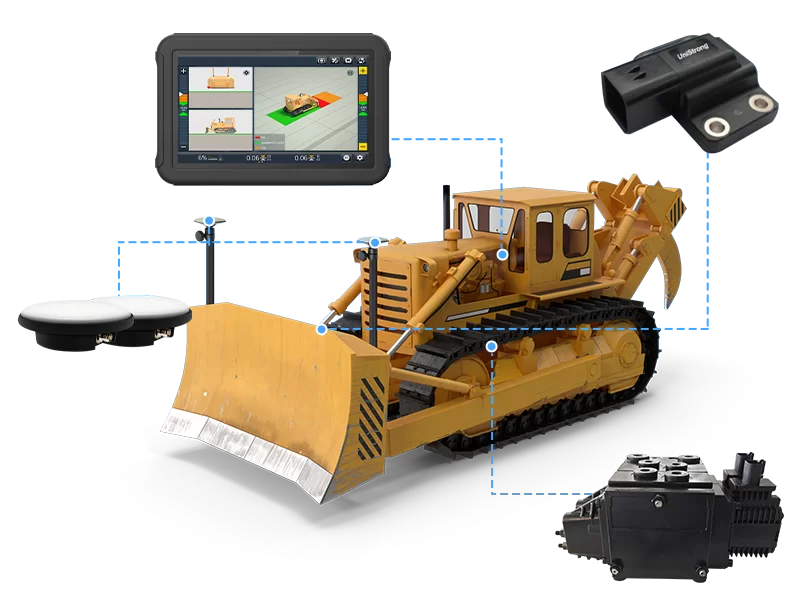
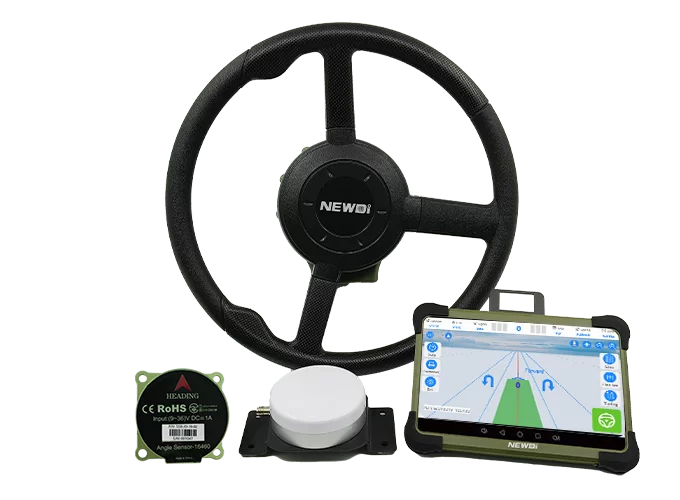
A surge in the deployment of auto steer tractor systems to maximize crop yields in the Llanos plains through precision planting.

Cloud-Based Spatial Data Infrastructure

Moving away from local storage to centralized cloud platforms for real-time collaborative mapping of national infrastructure projects.

Industry Trends and Future Outlook

Forecasting the trajectory of measurement technology for the next 5 years.

Satellite Constellation Synergy
Leveraging Beidou, GPS, and GLONASS simultaneously to ensure zero-downtime in deep valley environments.
Automated Precision Farming
Transitioning from manual guidance to full autonomy with integrated steering controllers for large-scale agriculture.
IoT-Linked Base Stations
Deploying networked CORS systems across Venezuela to eliminate the need for local base station setup.
Real-time Kinematic BIM
Direct synchronization between field RTK measurements and Building Information Modeling (BIM) software.

Industry Outlook

The Venezuelan market is expected to see a 15% annual growth in the demand for precision instrumentation. As the country focuses on reviving its agricultural output and repairing critical infrastructure, the reliance on high-accuracy GNSS solutions will become paramount.

Future growth will be driven by the "Democratization of Precision," where affordable, high-performance gear allows smaller farming cooperatives to implement automated guidance, reducing waste and increasing overall food security.

Localized Applications in Venezuela

Practical implementation of precision measurement across various national sectors.

01. Orinoco Belt Oil & Gas Mapping

Utilizing gps diferencial for the precise layout of pipelines and drilling sites, ensuring minimal environmental impact and maximum extraction efficiency in sandy terrains.

02. Andean Highway Infrastructure

Applying high-end total station technology for slope stability analysis and road widening projects in the steep mountainous regions of the Andes.

03. Llanos Plains Precision Agriculture

Deploying auto steer tractor kits to enable precise seed placement and fertilizer application, significantly reducing overlap and input costs for corn and soy farmers.

04. Urban Redevelopment in Caracas

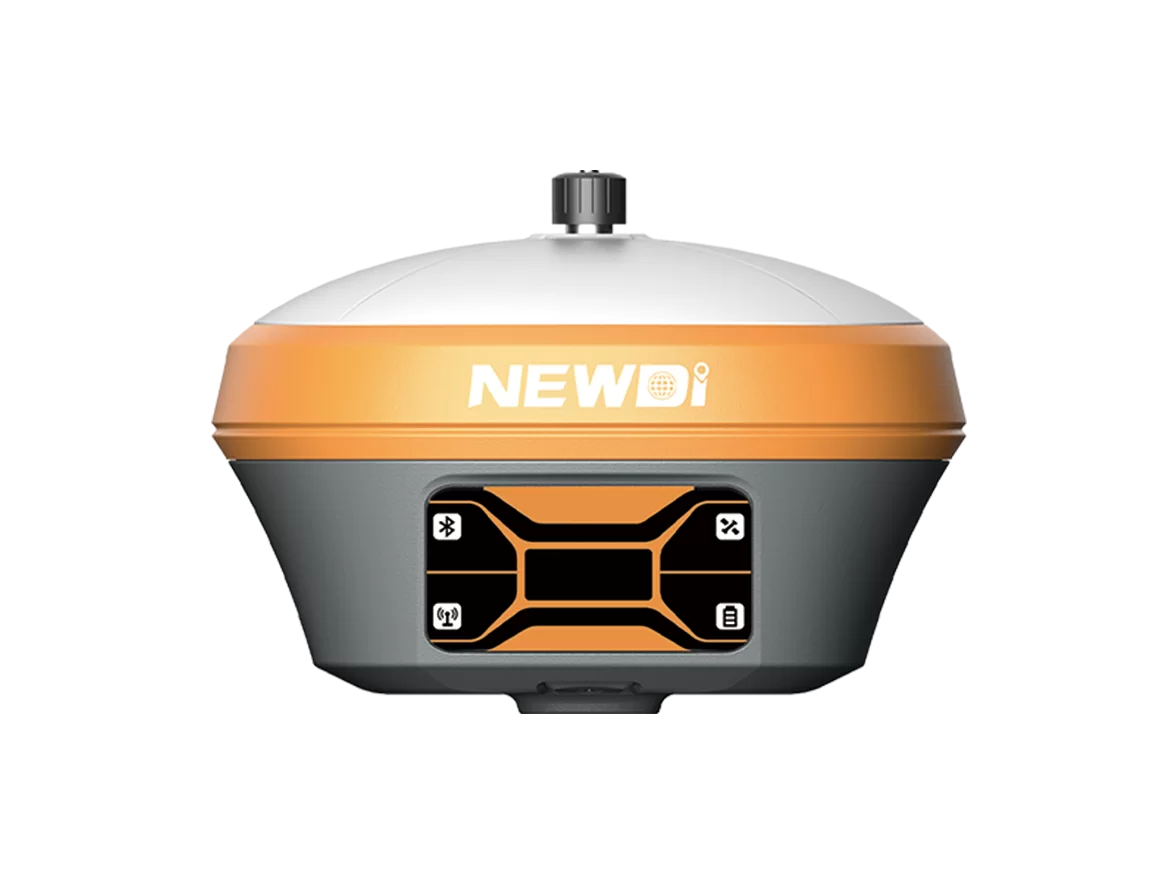
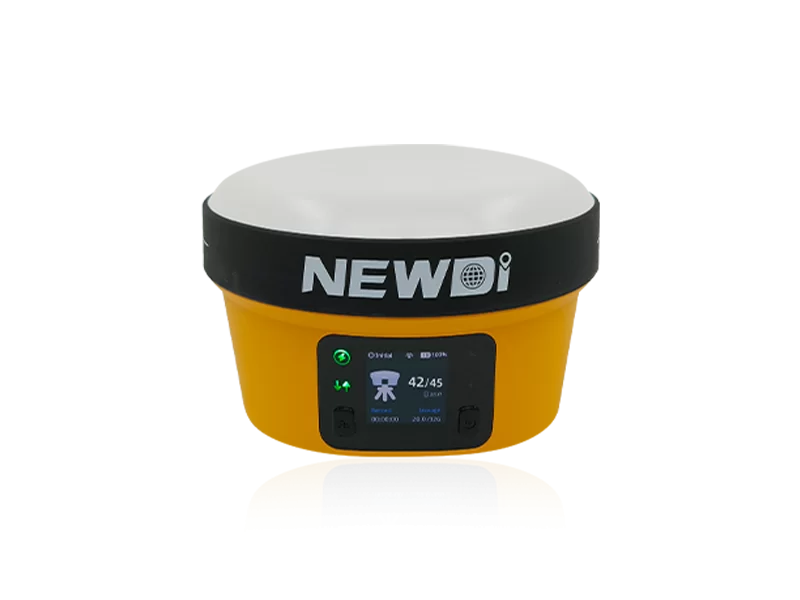
Implementing rapid cadastral surveys using GNSS RTK receivers to redefine property boundaries and update city planning maps in densely populated urban areas.

05. Mining Boundary Delineation

Using ruggedized surveying equipment to mark concessions and monitor excavation volumes in the gold-rich regions of Bolívar State.

Brand Story

Global Development History of Shanghai NCT Navigation Technology Co., Ltd.

Founding Vision

Established with a mission to bridge the gap between complex satellite data and practical field application for engineers worldwide.

Technological Breakthrough

Developed proprietary RTK algorithms that significantly reduced the time to "fixed" status in challenging canopy environments.

Global Expansion

Expanded operations into South America, tailoring hardware to withstand extreme humidity and temperature fluctuations.

Agri-Tech Innovation

Launched the integrated auto-steering line, bringing autonomy to mid-sized farms across developing economies.

Commitment to Precision

Continuing to evolve as a leader in GNSS technology, ensuring every measurement contributes to a more sustainable built environment.

Comprehensive Precision Suite for Venezuela

A curated selection of tools designed for the Venezuelan topographical and economic landscape.

Frequently Asked Questions in Venezuela

Expert answers to common technical queries regarding geospatial tools.

How does the GNSS RTK receiver perform in the dense jungles of Venezuela?

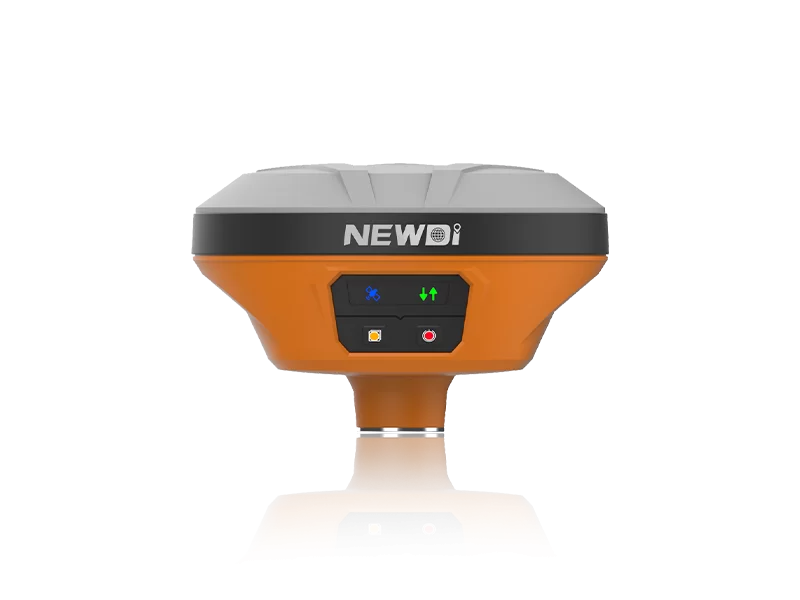
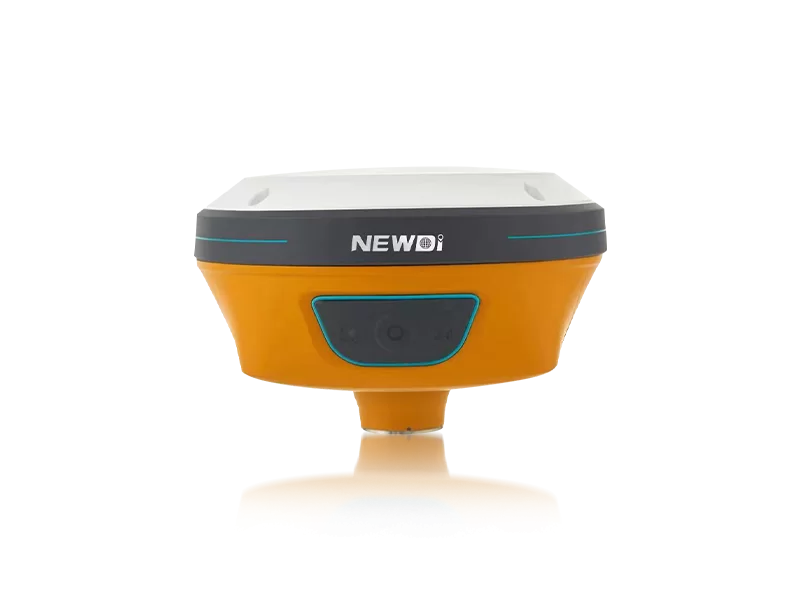
Our receivers utilize multi-constellation tracking (GPS, GLONASS, Galileo, Beidou), which increases the number of available satellites, allowing for a stable fix even under moderate canopy cover.

Can an auto steer tractor be installed on older tractor models used in the Llanos?

Yes, our steering systems are designed for universal compatibility, featuring adjustable mounting brackets and controllers that can be integrated into most mechanical steering systems.

What is the advantage of using a total station over GPS in urban Caracas?

In "urban canyons" where tall buildings block satellite signals, a total station provides absolute precision through optical measurement, making it essential for high-density construction.

How often should surveying equipment be calibrated for tropical environments?

Due to high humidity and temperature swings in Venezuela, we recommend a professional calibration every 6 to 12 months to ensure measurement accuracy.

What is the difference between standard GPS and gps diferencial for mining?

Standard GPS provides meter-level accuracy, while differential GPS uses a reference base station to correct errors, providing the centimeter-level precision required for mining volume calculations.

Is technical support available for high-precision surveying equipment in Venezuela?

We provide comprehensive remote technical support and detailed documentation to ensure your systems are operational 24/7, regardless of your location.

Ready to Elevate Your Precision?

Get a personalized consultation for the best geospatial solutions tailored for Venezuela.

Contact Us Now