
Shanghai Newdi Navigation Technology Co.,Ltd

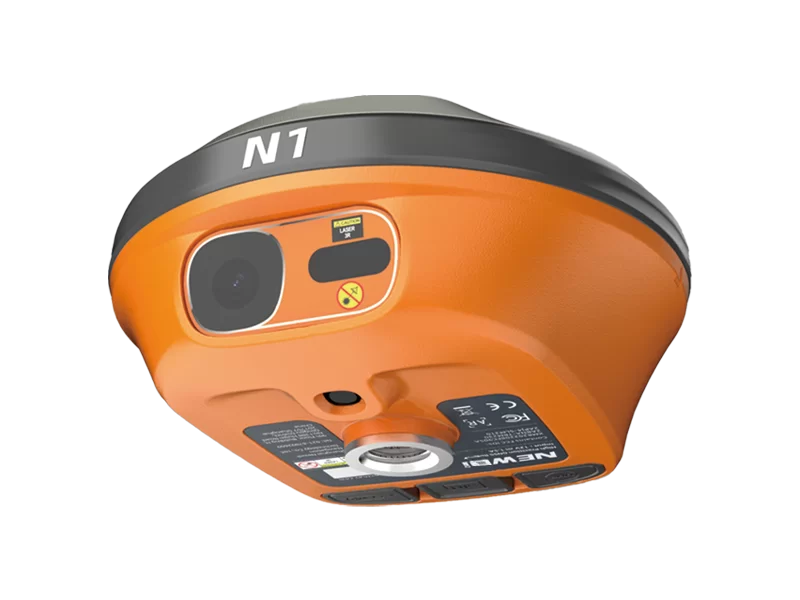
Precision gnss rtk receiver Solutions for Colombia's Terrain

Empowering Colombian infrastructure and agriculture with centimeter-level accuracy and robust geospatial intelligence.

Precision gnss rtk receiver Solutions for Colombia's Terrain

Integrating high-precision positioning technology to overcome the geographical challenges of the Andes and the Amazonian basin in Colombia.

Geospatial Engineering State in Colombia

Analyzing the intersection of topography and measurement technology in the Colombian market.

Colombia's unique geography, characterized by the three branches of the Andes mountains and dense tropical rainforests, creates significant signal attenuation and multipath challenges for traditional surveying equipment. The demand for high-reliability data is peaking due to massive national infrastructure projects and the expansion of the agricultural frontier.

In the agricultural sector, particularly in the coffee and palm oil regions, there is a rapid shift toward precision farming. The adoption of gps diferencial systems is becoming essential to optimize land use and reduce input waste in the diverse micro-climates of the Colombian valleys.

Despite the growth, many local firms still struggle with the transition from legacy analog tools to integrated digital ecosystems. The market is currently witnessing a critical need for ruggedized hardware that can withstand high humidity and extreme altitude variations without losing precision.
Evolution of Precision Measurement in Colombia

From manual triangulation to autonomous satellite-based guidance.

Market Development History

Between 1990 and 2010, the Colombian measurement industry relied heavily on optical instruments. The total station became the gold standard for urban cadastral surveys in Bogotá and Medellín, providing essential accuracy for early urban expansion.

From 2010 to 2020, the transition to GNSS technology accelerated. The introduction of RTK (Real-Time Kinematic) capabilities allowed surveyors to move away from long baseline setups, significantly reducing the time required for large-scale mapping of the Colombian coastlines and highlands.

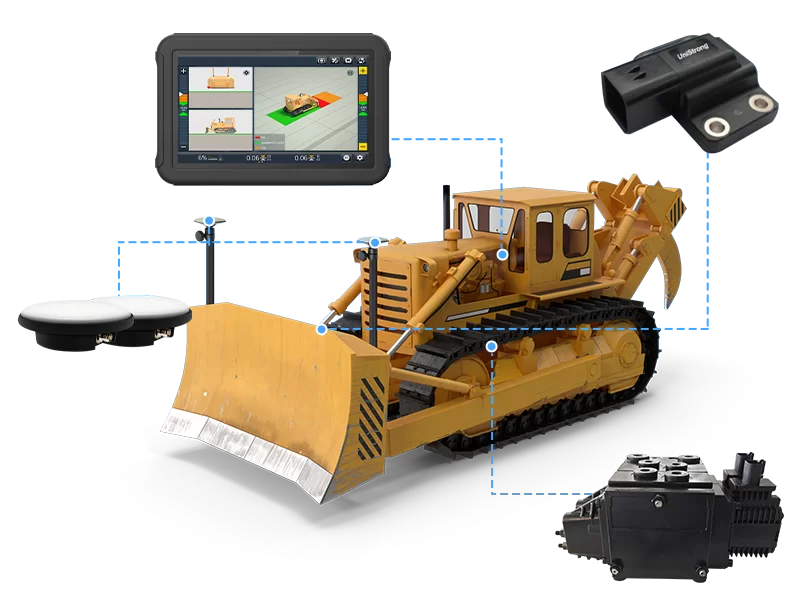
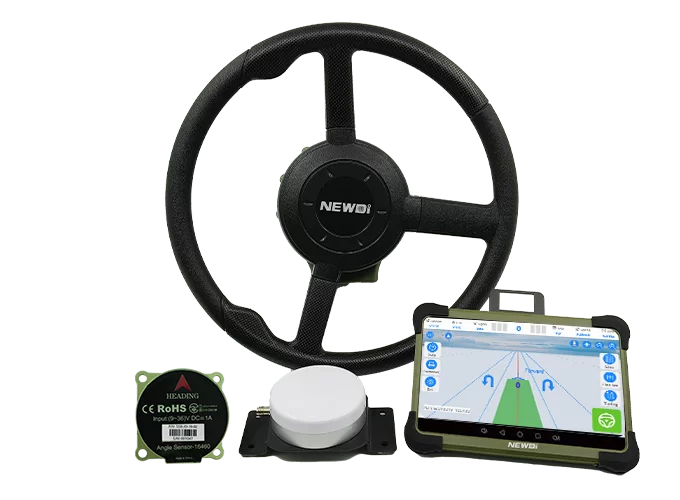
Since 2020, the focus has shifted toward automation. The integration of auto steer tractor systems has revolutionized the agro-industrial sector, moving the industry from simple point-mapping to active machine control and autonomous operations.

Future Development Trends

Multi-Constellation Integration

Increasing reliance on Beidou, Galileo, and GLONASS to ensure signal stability in deep Colombian canyons where single-system coverage is often interrupted.

Cloud-Based GIS Synchronization

Moving from local data storage to real-time cloud synchronization, allowing project managers in Bogotá to monitor site progress in remote regions instantaneously.

AI-Driven Terrain Modeling

The shift toward combining GNSS data with AI to predict soil erosion and landslide risks in the Andean regions, enhancing public safety and infrastructure longevity.

Industry Trends and Future Outlook

Strategic projections for the Colombian measurement and positioning industry.

Autonomous Agriculture
Scaling the use of autonomous machinery to increase crop yield in the Valle del Cauca.
RTK Network Expansion
Development of national CORS networks to provide seamless corrections across Colombia.
Digital Twin Cities
Using high-precision surveying to create 3D models of Bogotá's urban infrastructure.
Sustainable Mining
Precision volumetric measurement for eco-friendly mining in the Antioquia region.

Industry Outlook

The trajectory for Colombia points toward a convergence of satellite positioning and IoT. As the government pushes for "Fourth Industrial Revolution" initiatives, we expect a surge in demand for integrated hardware that combines GNSS with inertial navigation systems (INS) to maintain accuracy in dense jungle canopies.

Furthermore, the democratization of high-precision tools will allow smaller Colombian cooperatives to compete globally by implementing precision agriculture and sustainable forestry, driven by lower hardware costs and better local support.

Local Application Scenarios in Colombia

Real-world deployment of precision instruments across diverse Colombian sectors.

01. Coffee Plantation Optimization

Implementing auto steer tractor technology in the Eje Cafetero to ensure precise planting rows and optimize fertilization on sloped terrains.

02. Andean Highway Construction

Utilizing total station and RTK systems for the precise grading and alignment of "4G" highway projects crossing the mountains.

03. Amazonian Basin Mapping

Deploying rugged surveying equipment for environmental monitoring and boundary demarcation in remote jungle areas.

04. Urban Cadastre in Bogotá

Using gps diferencial to resolve complex property disputes and update city zoning maps with millimeter precision.

05. Mining Volume Calculation

Applying high-precision GNSS receivers in the coal and gold mines of Boyacá to calculate stockpile volumes and monitor slope stability.

Brand Story

Global Development Journey of Shanghai NCTNAV Technology Co., Ltd.

Technical Foundation

Founded with a vision to democratize high-precision positioning, focusing on the core R&D of GNSS signal processing algorithms.

Market Expansion

Expanding from domestic success to global markets, adapting hardware for extreme environments from the Arctic to the Tropics.

Agricultural Revolution

Developing the first integrated auto-steering solutions to solve the pain point of operator fatigue and overlapping in large-scale farming.

Precision Ecosystem

Building a complete ecosystem of receivers, software, and cloud services to provide end-to-end geospatial solutions.

Commitment to Colombia

Establishing local support networks in Colombia to ensure our technology drives the nation's industrial and agricultural modernization.

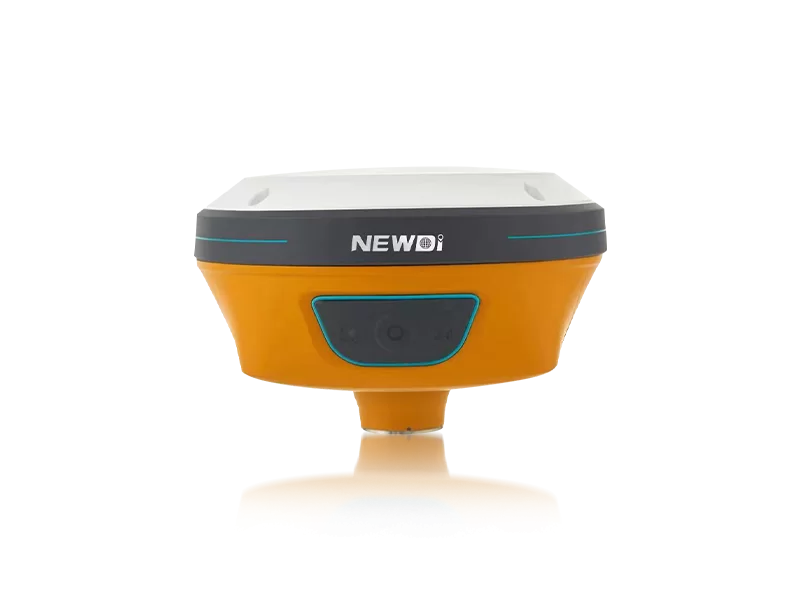
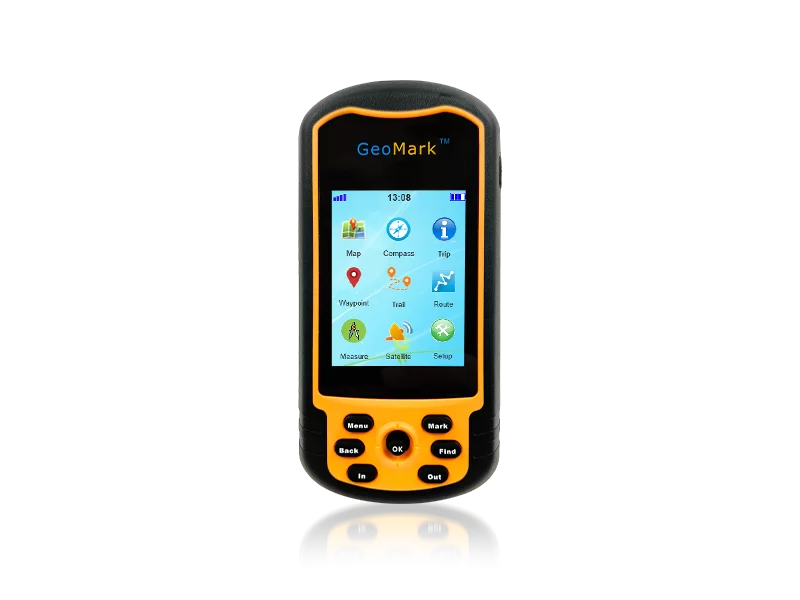
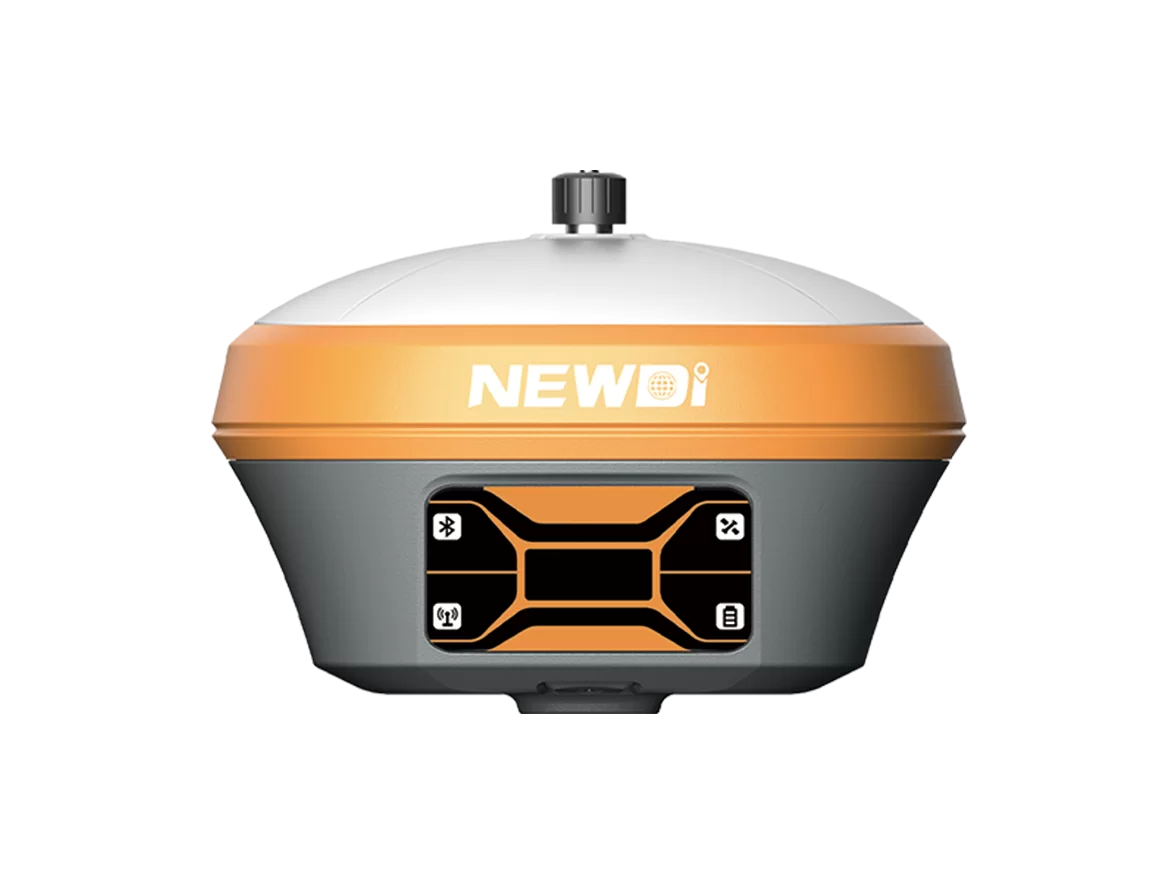
Complete Product Portfolio for the Colombian Market

Professional-grade instruments tailored for the diverse demands of South American terrain.

Colombian Surveying & Positioning FAQ

Expert answers to common technical queries in the local industry.

How does the Colombian topography affect gnss rtk receiver accuracy?

Deep valleys and dense foliage in the Andes can cause signal blockage. We recommend using multi-constellation receivers and strategically placed base stations to maintain a stable RTK fix.

Can auto steer tractor systems be installed on older Colombian machinery?

Yes, our universal steering kits are designed to be retrofitted onto a wide range of tractor brands commonly used in Colombia, regardless of the machine's age.

What is the advantage of gps diferencial over standard GPS for urban Bogotá?

Differential GPS removes atmospheric errors and satellite clock drifts, bringing accuracy from meters down to centimeters, which is critical for city cadastral surveys.

Which surveying equipment is best for high-humidity Amazonian regions?

We recommend IP67 or IP68 rated hardware that is dust-proof and water-resistant to prevent internal corrosion and electronic failure in humid tropical climates.

Do I need a total station if I already have a GNSS receiver?

Yes, for areas with heavy canopy or inside urban "canyons" where satellite signals are blocked, a total station remains essential for precise line-of-sight measurements.

How to set up a local base station for RTK in remote Colombian areas?

You can set up a standalone base station with a long-range UHF radio or use an NTRIP caster via internet if cellular coverage is available in the region.

Get Expert Consultation for Your Project

Our technical team is ready to help you implement high-precision geospatial solutions across Colombia.

Contact Us Now