
Shanghai Newdi Navigation Technology Co.,Ltd

Precision GNSS RTK Receiver Solutions for Canadian Terrain

Empowering North American surveying and agriculture with centimeter-level accuracy and rugged reliability.

Precision GNSS RTK Receiver Solutions for Canadian Terrain

Integrating advanced surveying equipment to overcome the geographical challenges of the Canadian landscape, from the Rockies to the Prairies.

Geospatial Measurement Challenges in Canada

Analyzing the operational environment of precision instruments in North America.

Canada's vast and diverse geography, characterized by extreme temperature fluctuations and dense forest cover in the Boreal regions, presents significant hurdles for standard surveying equipment. The need for high-resilience hardware that can maintain signal lock under heavy canopy or in sub-zero temperatures is paramount for local professionals.

In the agricultural heartlands of Alberta and Saskatchewan, the demand for an auto steer tractor system has shifted from a luxury to a necessity. Large-scale farming requires precise row management to reduce overlap and optimize fuel consumption across thousands of hectares.

Furthermore, the integration of a gps diferencial network across remote provinces is critical. Canadian surveyors rely on a mix of CORS networks and local base stations to ensure that millimeter-level accuracy is achievable even in the most isolated northern territories.
Evolution of Canadian Geomatics Technology

From traditional optical measurements to satellite-driven automation.

Market Development History

In the late 20th century, Canadian land measurement relied heavily on the total station, where optical precision was the gold standard for boundary surveys and construction layouts in urban centers like Toronto and Vancouver.

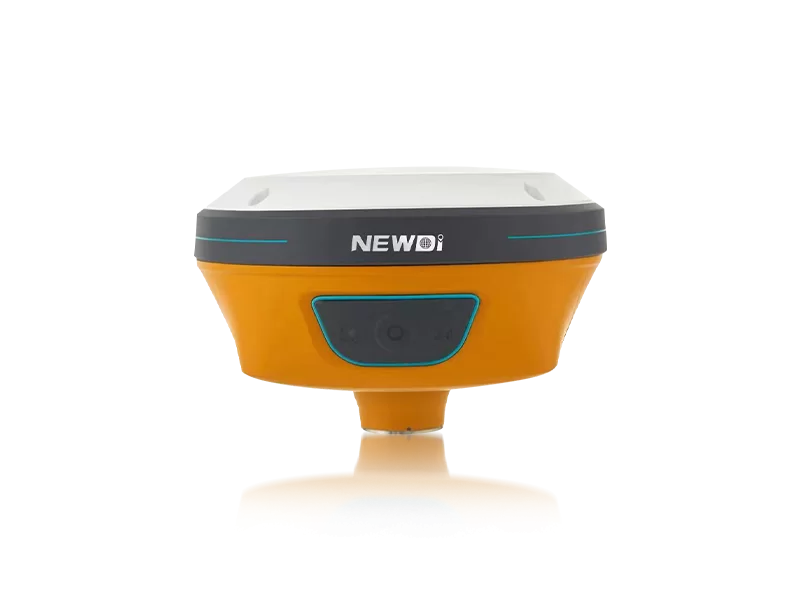
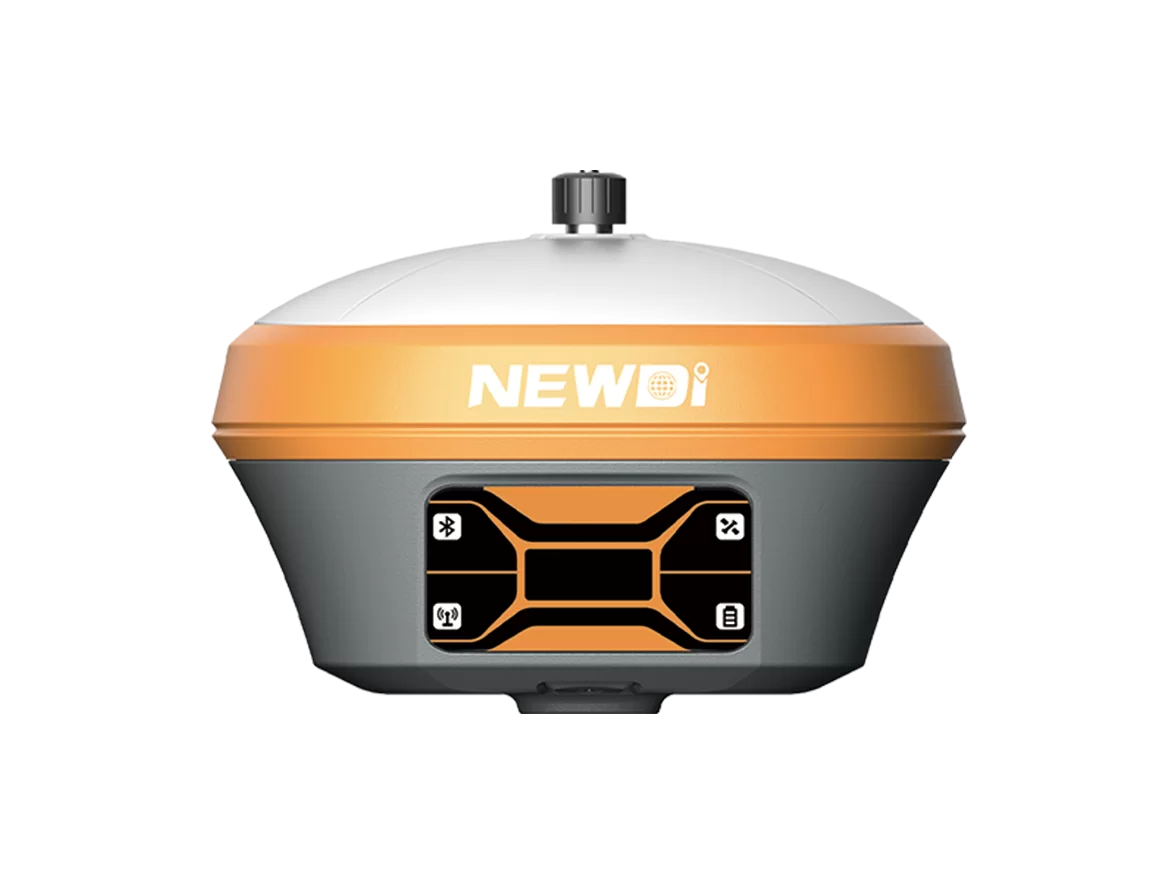
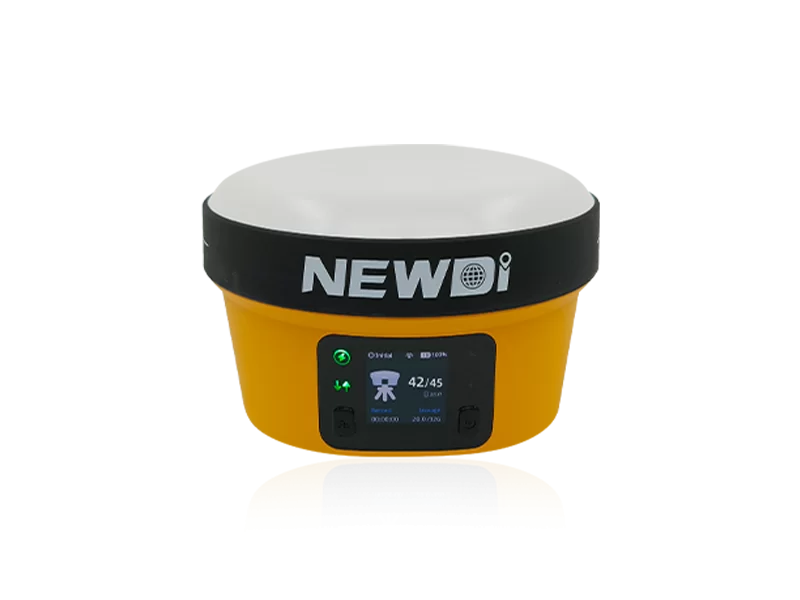
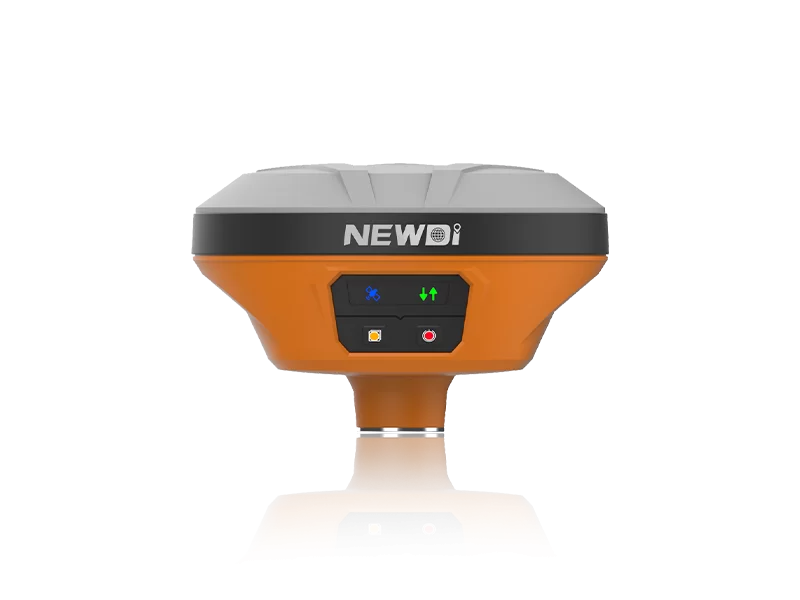
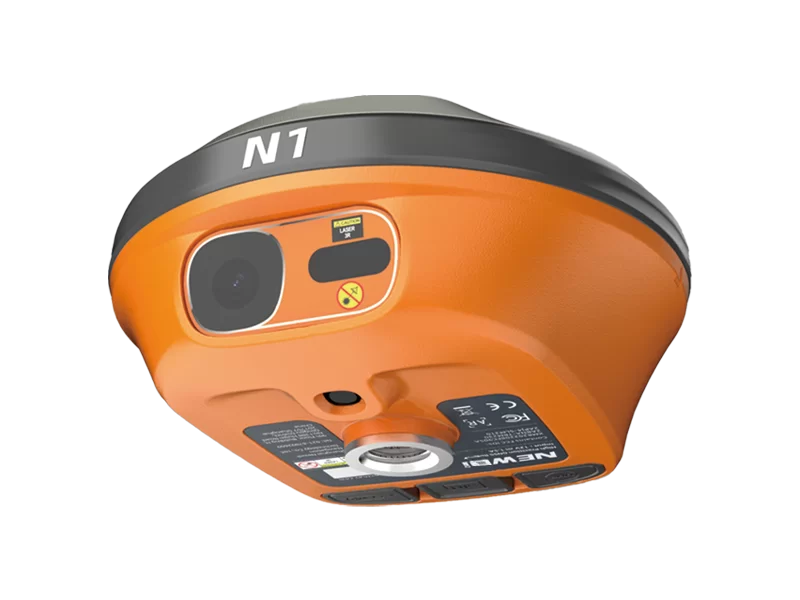
By the 2010s, the transition toward GNSS technology accelerated. The adoption of the gnss rtk receiver revolutionized the field, allowing surveyors to move away from line-of-sight constraints and achieve real-time kinematic corrections over wide areas.

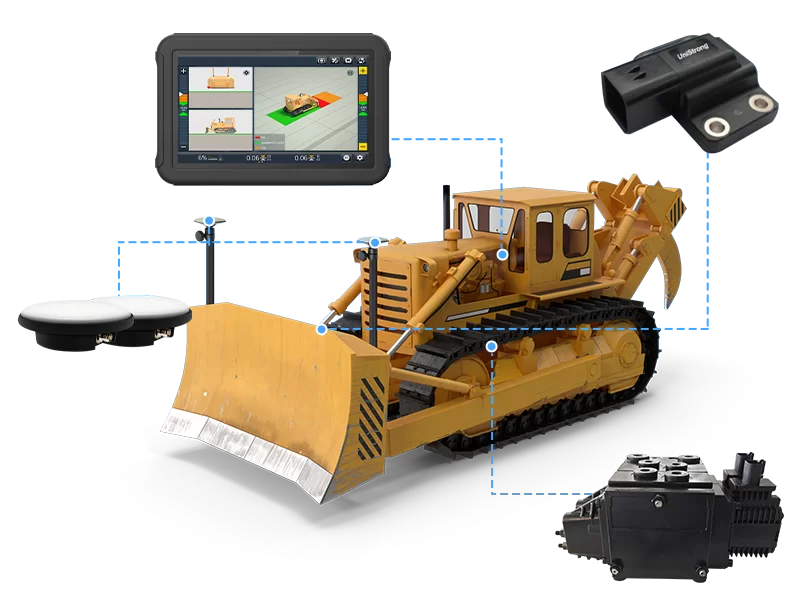
The current era is defined by the convergence of IoT and autonomy. The integration of RTK data into machinery, leading to the widespread use of the auto steer tractor, has transformed the Canadian agricultural sector into a precision-driven industry.

Future Development Trends

Multi-Constellation Fusion

Moving beyond GPS to integrate Galileo, BeiDou, and GLONASS to ensure uninterrupted signal availability in deep Canadian valleys.

AI-Driven Site Analysis

Integration of machine learning with surveying data to automate terrain classification and volumetric calculations for mining.

Autonomous Grade Control

The shift toward fully unmanned construction equipment guided by real-time differential corrections for infrastructure projects.

Future Trends & Strategic Outlook

Predicting the trajectory of measurement technology in the Canadian market.

Satellite Convergence
Increased reliance on LEO satellites to complement GNSS for centimeter accuracy in dense urban canyons.
Cloud-Based RTK
Transition from physical base stations to virtual reference stations (VRS) via 5G connectivity.
Edge Computing
Processing spatial data locally on the device to reduce latency in autonomous steering.
Eco-Precision
Using precision measurement to minimize chemical runoff and carbon footprint in farming.

Industry Outlook

The Canadian market is trending toward a fully integrated "Digital Twin" ecosystem. We expect the synergy between GNSS and LiDAR to become standard, allowing for real-time 3D mapping of infrastructure projects across the provinces.

Google search trends indicate a rising interest in "autonomous agriculture" and "RTK correction services," signaling a shift from hardware ownership to Service-as-a-Software (SaaS) models for positioning data.

Localized Application Scenarios in Canada

Real-world deployment of precision instruments in diverse Canadian environments.

01. Prairies Precision Farming

Utilizing auto steer tractor systems in Saskatchewan to optimize seed placement and fertilizer application across vast canola fields.

02. BC Forestry Mapping

Deploying high-sensitivity gnss rtk receiver units to map logging boundaries in the dense forests of British Columbia.

03. Ontario Urban Infrastructure

Using a combination of total station and RTK for the precise alignment of new transit lines in the Greater Toronto Area.

04. Northern Mining Survey

Applying gps diferencial techniques to monitor pit wall stability and volume calculations in the Yukon mining districts.

05. Alberta Pipeline Construction

Implementing full-scale surveying equipment kits to ensure accurate grading and placement of energy pipelines across the plains.

Brand Story

Global Development Journey of Shanghai Newland Navigation Technology Co., Ltd.

Foundational Innovation

Established with a vision to democratize high-precision positioning, focusing on the core R&D of RTK algorithms.

Agricultural Breakthrough

Developed specialized steering controllers that bridged the gap between GNSS data and heavy machinery movement.

Global Expansion

Expanded footprints into North America, tailoring products to meet the rugged standards of the Canadian and US markets.

Ecosystem Integration

Launched an integrated platform combining hardware, software, and correction services for seamless user experience.

Future Vision

Committed to solving the "last centimeter" problem in autonomous navigation for global industrial applications.

Comprehensive Positioning Portfolio for Canada

Professional-grade tools designed for the Canadian industrial landscape.

Canadian Field Operation FAQ

Expert answers to common technical queries in the North American region.

How does cold weather affect GNSS RTK receiver performance in Canada?

Extreme cold can affect battery life and oscillator stability. Our receivers are industrial-grade, rated for operation down to -40°C, ensuring consistent precision during Canadian winters.

Can I use an auto steer tractor system on older machinery models?

Yes, our universal steering kits are designed for compatibility with most major tractor brands available in North America, using adaptable hydraulic and electric interfaces.

What is the difference between a total station and RTK for land surveying?

A total station provides absolute optical precision via line-of-sight, whereas RTK uses satellites for rapid, wide-area measurements without needing a clear path between points.

How do I set up a gps diferencial base station in remote areas?

In remote Canadian regions, you can deploy a standalone base station that broadcasts corrections via UHF radio or use a satellite-linked NTRIP caster for internet-based corrections.

Which surveying equipment is best for dense forest canopy?

For canopy-heavy areas, we recommend multi-frequency receivers with high-gain antennas and the ability to integrate with an optical total station for hybrid measurements.

What is the typical accuracy of RTK systems for Canadian agriculture?

Under optimal conditions with a reliable correction source, our systems typically achieve 1-2.5 cm horizontal accuracy, ideal for precision planting and harvesting.

Ready to Elevate Your Precision?

Get professional consultation for your surveying and agricultural needs in Canada.

Contact Us Now