

Shanghai Newdi Navigation Technology Co.,Ltd

High-Precision gnss rtk receiver Solutions for Norway's Challenging Terrains

Empowering Norwegian engineering and agriculture with centimeter-level accuracy and robust positioning technology designed for the Nordic environment.

High-Precision gnss rtk receiver Solutions for Norway's Challenging Terrains

Integrating advanced surveying equipment to overcome the geographical complexities of the Norwegian fjords and mountains, ensuring unparalleled precision in every measurement.

Current Landscape of Precision Measurement in Norway

Addressing the unique intersection of extreme topography and high technological standards.

Norway's geography, characterized by deep fjords, steep mountains, and dense forests, creates significant signal occlusion challenges for standard satellite positioning. The reliance on high-end surveying equipment is paramount for the nation's extensive tunneling and hydropower infrastructure projects.

In the agricultural sector, particularly in the fertile regions of the south and west, there is a growing demand for an auto steer tractor system to optimize land use and reduce labor costs amidst a shrinking rural workforce and strict environmental regulations.

Furthermore, the precision required for offshore wind farm installations and coastal mapping necessitates the use of a high-performance gps diferencial setup to maintain stability and accuracy in harsh maritime climates and fluctuating ionospheric conditions.
Evolution of Measurement Technology in the Nordic Region

From traditional optical measurements to real-time satellite kinematics.

Market Development History

Historically, Norwegian surveying relied heavily on traditional optical instruments. The total station became the industry standard in the late 20th century, allowing for precise distance and angle measurements essential for the country's complex road networks.

By the early 2010s, the shift toward GNSS technology accelerated. The introduction of RTK (Real-Time Kinematic) networks across Norway significantly reduced the time required for site surveys, transitioning from static observations to instantaneous centimeter-level positioning.

The current era is defined by the integration of AI and automation. We have seen the evolution from manual steering to the widespread adoption of the auto steer tractor, blending satellite guidance with machine control for precision farming.

Future Development Trends

Multi-Constellation Integration

Future systems will move beyond GPS, integrating Galileo, GLONASS, and BeiDou to ensure connectivity in the deep valleys of the Norwegian interior.

AI-Driven Terrain Analysis

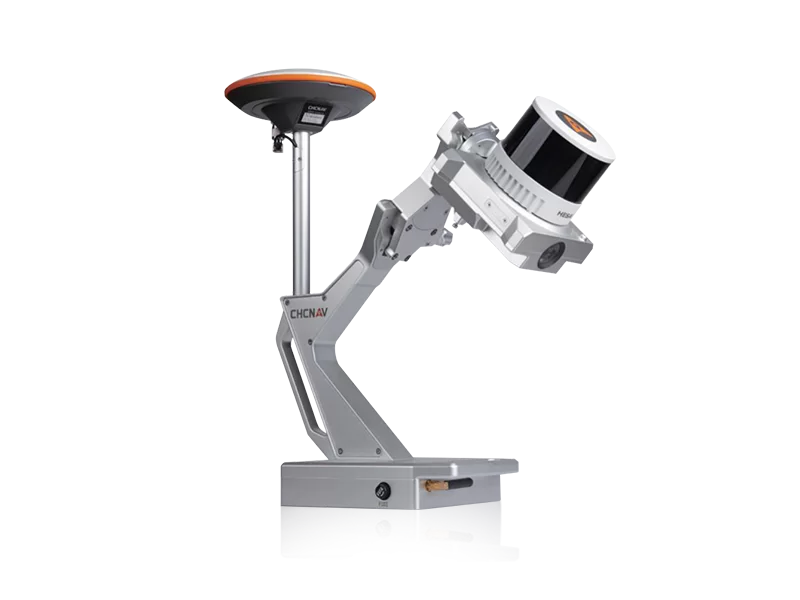
The integration of LiDAR with a total station will allow for real-time 3D digital twin creation of mountainous landscapes.

Fully Autonomous Machinery

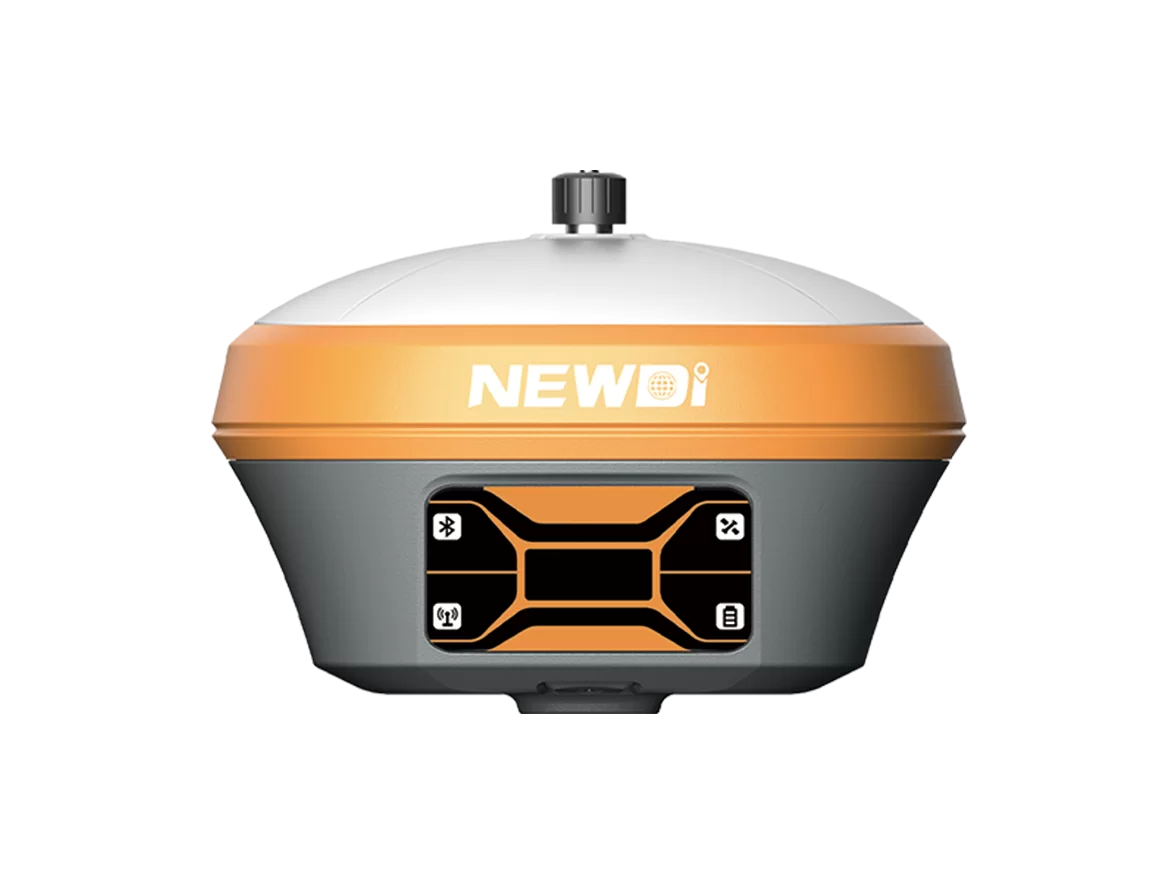
The trajectory points toward fully autonomous agricultural and construction fleets, where the gnss rtk receiver acts as the primary sensory organ for navigation.

Industry Trends and Future Outlook

Predicting the next wave of surveying and positioning innovation in Norway.

Satellite Convergence
Increasing reliance on multi-band frequencies to mitigate ionospheric delays common in high-latitude regions like Norway.
Edge Computing
Processing gps diferencial data locally on the device to reduce latency in critical infrastructure projects.
Precision Ecology
Using auto steer tractor technology to implement variable-rate fertilization and minimize environmental runoff.
Cloud Synchronization
Real-time data streaming from surveying equipment to BIM (Building Information Modeling) platforms.

Industry Outlook

Google search trends indicate a sharp rise in "autonomous farming Norway" and "RTK precision tunneling," suggesting that the market is moving toward unmanned systems. The integration of sensor fusion, combining GNSS with inertial measurement units (IMU), will become mandatory for stability in tunnel environments.

Over the next 3-5 years, we expect a standardization of high-precision positioning across all public infrastructure projects in Norway, making centimeter-level accuracy the baseline rather than a premium feature.

Local Application Scenarios in Norway

Real-world deployment of precision instruments in Nordic environments.

01. Fjord-Side Infrastructure Mapping

Utilizing a high-precision total station and GNSS to map steep coastal cliffs for landslide prevention and road stability analysis along the E39 highway.

02. Arctic Precision Agriculture

Implementing auto steer tractor systems in the Trøndelag region to ensure perfect row spacing and reduce overlap during the short, intense northern growing season.

03. Hydroelectric Dam Monitoring

Deploying permanent gnss rtk receiver stations to monitor micro-movements of dam walls and surrounding rock masses in the mountainous interior.

04. Offshore Wind Farm Surveying

Using gps diferencial technology on survey vessels to precisely position turbine foundations in the North Sea, ensuring structural integrity against extreme currents.

05. Urban Tunneling in Oslo

Combining surveying equipment with robotic guidance systems to execute complex underground expansions with zero-margin error for city transit lines.

Brand Story

Global Development Journey of Shanghai NCTNAV Navigation Technology Co., Ltd.

The Vision of Precision

Founded with a mission to democratize high-precision positioning, NCTNAV began by solving the core problem of signal instability in complex industrial environments.

Technological Breakthroughs

We developed proprietary algorithms that enhanced the stability of RTK receivers, allowing them to maintain lock in heavily obstructed areas.

Expanding Global Footprint

From Asia to Europe, NCTNAV tailored its solutions for Nordic challenges, ensuring hardware could withstand sub-zero temperatures and high humidity.

Agricultural Revolution

Our entry into the smart farming market bridged the gap between raw GNSS data and actual tractor movement through intuitive auto-steering interfaces.

Commitment to Excellence

Today, NCTNAV continues to innovate, providing the tools that build the world's most complex bridges, tunnels, and sustainable farms.

Comprehensive Precision Product Portfolio for Norway

A full suite of instruments engineered for the demanding requirements of the Norwegian industrial sector.

Common Questions for Positioning Experts in Norway

Expert answers to technical challenges in the Nordic environment.

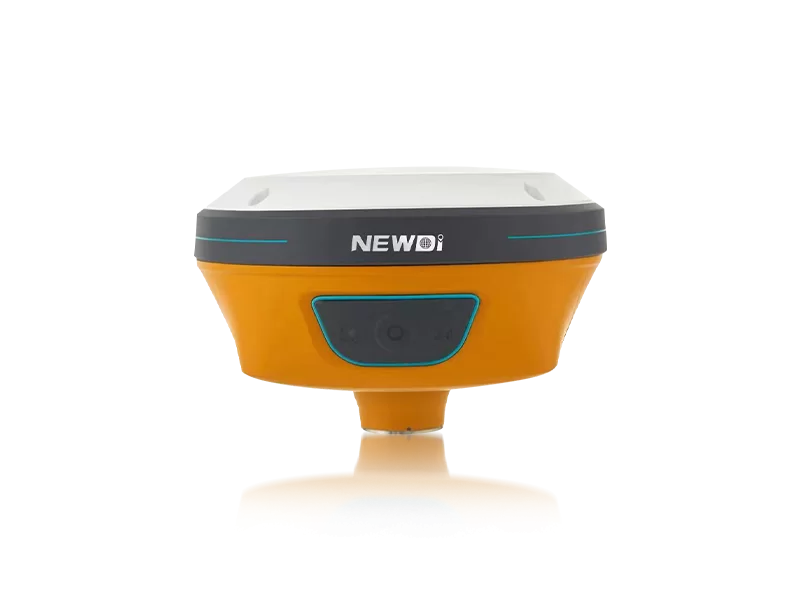
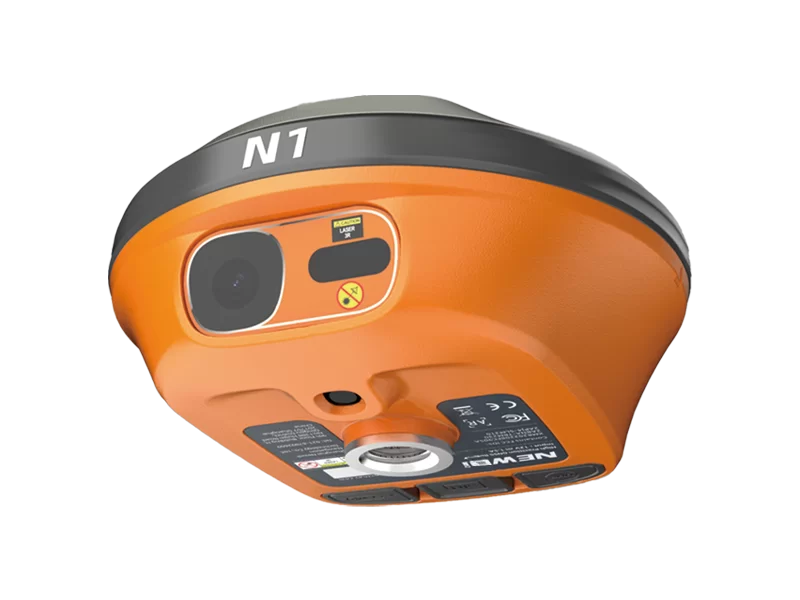
How does a gnss rtk receiver perform in deep Norwegian fjords?

Our receivers utilize multi-constellation tracking (GPS, GLONASS, Galileo, BeiDou) to maximize the number of visible satellites, significantly reducing signal loss in deep valley environments.

What is the advantage of a gps diferencial system for coastal mapping?

A differential system corrects atmospheric errors in real-time, providing the sub-decimeter precision required for accurate seabed mapping and coastal boundary definition.

Can an auto steer tractor be integrated into existing Norwegian farm machinery?

Yes, our systems are designed with universal compatibility, utilizing hydraulic and electric steering interfaces that fit most major tractor brands used in Europe.

When should I choose a total station over GNSS for infrastructure projects?

A total station is preferred for interior tunnel work or areas with complete satellite blockage where optical precision is the only viable method for alignment.

What is the best surveying equipment for high-latitude ionospheric interference?

Dual-frequency receivers are essential. By comparing two different frequencies, the system can calculate and remove the ionospheric delay typical of Arctic regions.

How often should RTK equipment be calibrated for Norwegian winter conditions?

While the electronic components are stable, we recommend a baseline check before the winter season and after any extreme temperature fluctuations to ensure sensor alignment.

Ready to Elevate Your Precision?

Get in touch with our experts to find the ideal positioning solution for your projects in Norway.

Contact Us Now