


Shanghai Newdi Navigation Technology Co.,Ltd

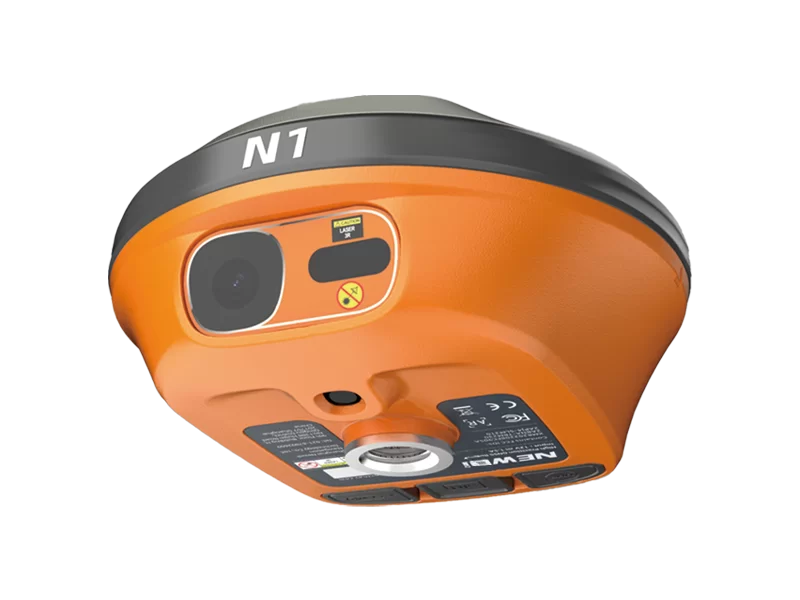
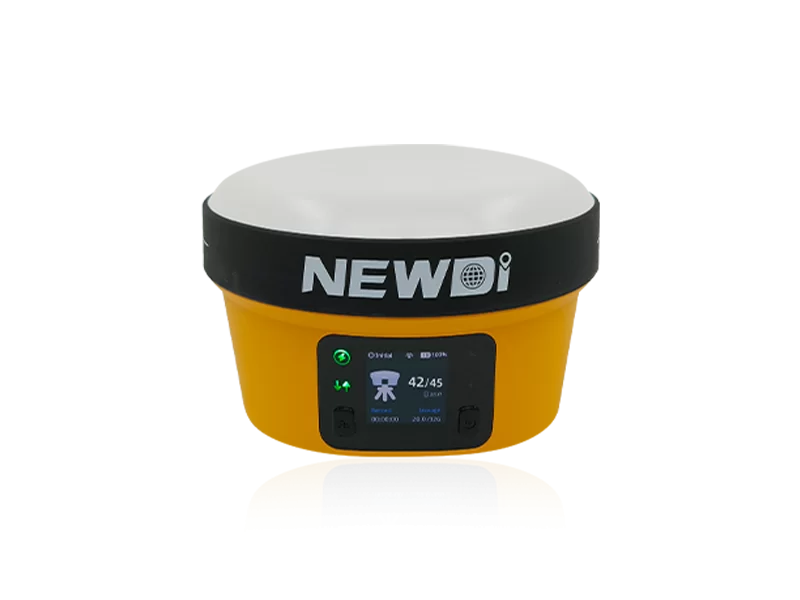
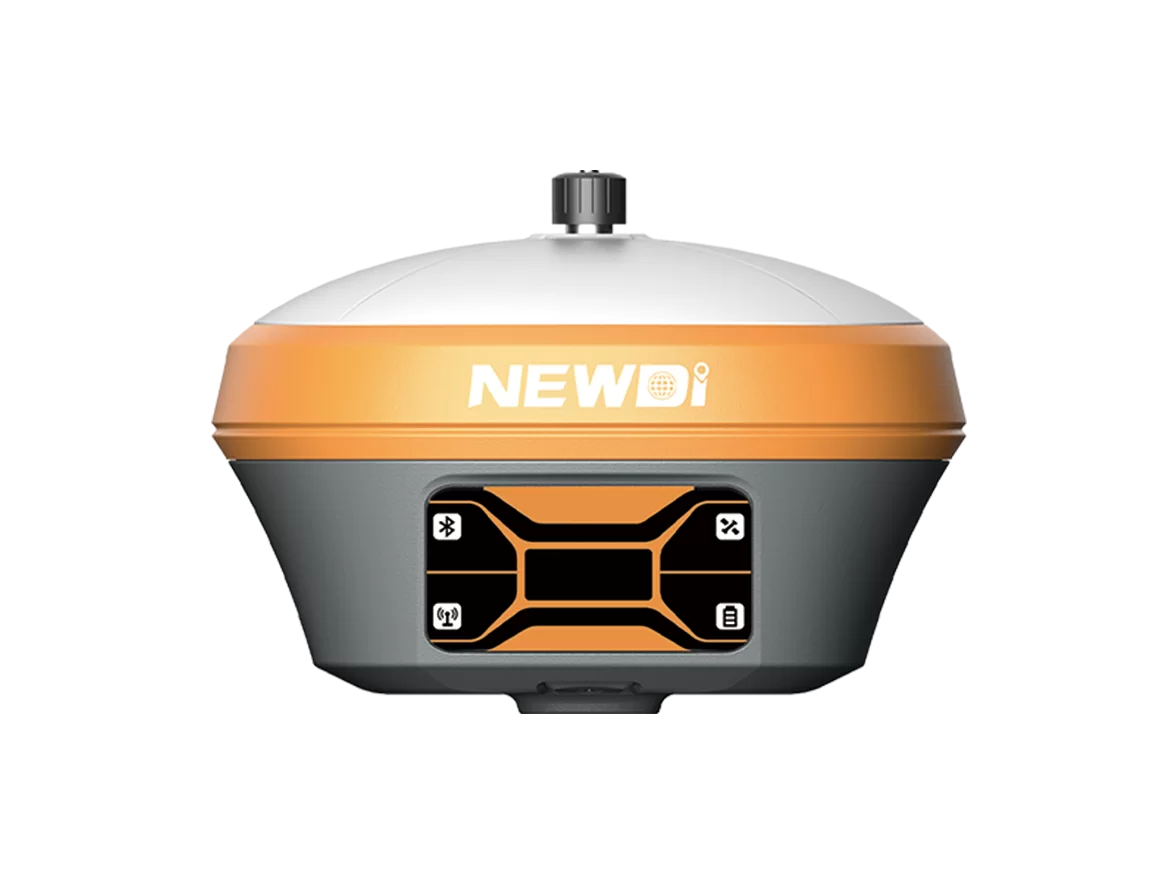
Precision gnss rtk receiver Solutions for Belarus Infrastructure

Advanced geospatial measurement and automated guidance systems tailored for the Belarusian agricultural and construction landscape.

Precision gnss rtk receiver Solutions for Belarus Infrastructure

Empowering Belarusian engineering and farming with high-accuracy surveying equipment designed for extreme continental climates and diverse terrains.

Current State of Geomatics in Belarus

Analyzing the intersection of traditional land management and modern satellite positioning.

Belarus is currently undergoing a digital transformation in its land registry and agricultural sectors. The reliance on traditional optical tools is shifting toward integrated surveying equipment to handle the vast peatlands and forested regions that characterize the local geography.

Economic stability in the region's agricultural heartlands is driving the demand for gps diferencial systems. These tools are essential for mitigating the overlap in fertilizer application and seed sowing across large-scale state farms.

Despite the transition, technical challenges remain due to seasonal temperature fluctuations, which require hardware with high industrial-grade durability and stable signal acquisition under dense canopy cover.

Evolution and Trajectory of Measurement Technology

From analog blueprints to real-time kinematic corrections.

Market Development History

Prior to 2010, the Belarusian market relied heavily on manual theodolites and early-generation total station units, where data was manually recorded and processed offline, leading to significant time lags in project delivery.

Between 2010 and 2020, the introduction of GNSS networks allowed for a transition to RTK (Real-Time Kinematic) workflows, enabling surveyors to achieve centimeter-level accuracy without the need for extensive baseline measurements.

From 2020 to the present, there has been a surge in "Smart Farming" initiatives, where the integration of auto steer tractor systems has moved from experimental luxury to a production necessity for operational efficiency.

Future Development Trends

Multi-Constellation Integration

Shift toward receivers that utilize GPS, GLONASS, BeiDou, and Galileo simultaneously to ensure uninterrupted connectivity in the northern European latitudes.

Autonomous Machine Control

Increased adoption of AI-driven guidance where the auto steer tractor interfaces directly with soil sensors for variable-rate application.

Cloud-Based GIS Ecosystems

Migration of field data from local storage to centralized cloud platforms for real-time project monitoring and government land-use synchronization.

Industry Trends and Future Outlook

Strategic forecasting for the Belarusian measurement and guidance market.

RTK Network Expansion
Deployment of denser CORS networks across Belarus to provide seamless corrections for all RTK receivers.
Agricultural Automation
Integration of auto-steering with precision seeding to optimize crop yields in the Pripyat region.
Hybrid Measuring Workflows
Combining total station precision with GNSS efficiency for urban development.
IoT Connectivity
Real-time data streaming from field equipment to regional control centers via 4G/5G.

Industry Outlook

The trajectory for the next 3-5 years suggests a shift toward full autonomy. Google search trends indicate a rising interest in "precision agriculture" and "automated land surveying" within the Eastern European region, highlighting a demand for lower-cost, high-reliability alternatives to traditional expensive brands.

We anticipate that the integration of gps diferencial technology will become standard for all municipal road construction and drainage projects in Belarus to combat land subsidence in swampy areas.

Localized Application Scenarios in Belarus

Practical deployments of high-precision positioning in regional contexts.

1. Large-Scale State Farm Automation

Implementing auto steer tractor systems across the vast plains of the Gomel and Mogilev regions to reduce fuel consumption and eliminate overlaps during spring sowing.

2. Forest Boundary Mapping

Using ruggedized gnss rtk receiver units to delineate protected forest zones and manage timber harvesting paths in the Belovezhskaya Pushcha area.

3. Urban Infrastructure Expansion in Minsk

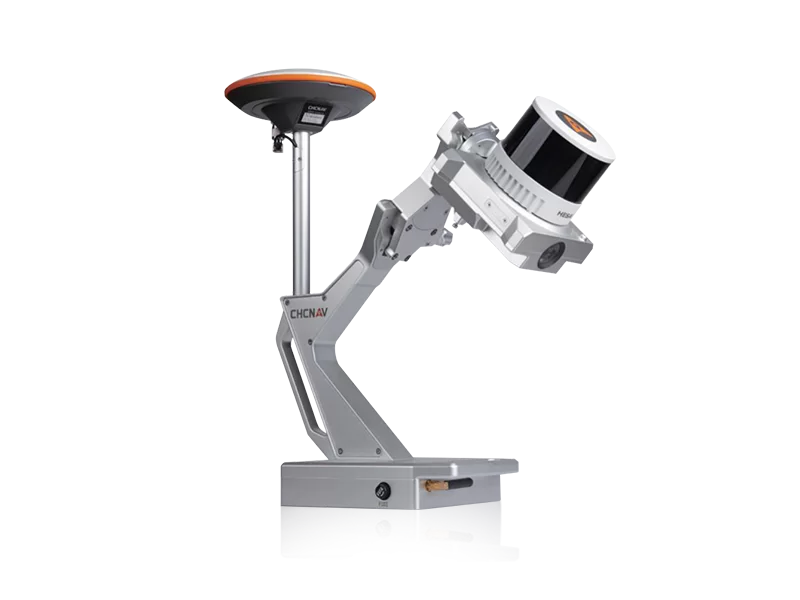
Utilizing a combination of total station and GNSS for the precise layout of new metro lines and commercial complexes, ensuring millimeter accuracy in dense urban environments.

4. Hydrographic and Drainage Surveying

Deploying gps diferencial systems to map drainage networks in the Polesia lowlands, preventing seasonal flooding of agricultural lands.

5. Road Network Modernization

Applying integrated surveying equipment for the rapid topographic mapping of highways connecting Belarus to neighboring trade partners.

Brand Story

Global Development History of Shanghai NCT Navigation Technology Co., Ltd.

Founding Vision

Established with the goal of democratizing high-precision GNSS technology, focusing on solving the gap between expensive industrial tools and field usability.

Technical Breakthrough

Developing proprietary RTK algorithms that significantly reduce signal convergence time, essential for operators in challenging terrains.

Global Market Expansion

Expanding operations into Europe and Asia, adapting hardware to meet the diverse climatic needs of regions like Belarus.

Agriculture Integration

Pioneering the synergy between geospatial measurement and machine control, leading to the creation of advanced auto-steering modules.

Sustainable Future

Committing to the development of carbon-neutral farming tools through precision guidance that minimizes chemical waste and fuel use.

Comprehensive Measurement Portfolio for Belarus

A curated selection of hardware designed for the Belarusian industrial and agricultural sectors.

Belarus Local Technical FAQ

Answers to common questions regarding precision positioning in the region.

How does the continental climate in Belarus affect gnss rtk receiver accuracy?

Extreme temperature shifts can affect oscillator stability. Our receivers are industrial-grade, designed to maintain centimeter precision from -20°C to +50°C.

Can auto steer tractor systems be installed on older Belarusian tractor models?

Yes, our universal steering kits are compatible with most hydraulic and mechanical steering systems used in common regional agricultural machinery.

What is the advantage of using a total station alongside GNSS in Minsk urban areas?

In "urban canyons" where satellite signals are blocked by tall buildings, the total station provides an optical line-of-sight measurement that ensures zero-error placement.

How do I set up a gps diferencial base station for a large farm in Polesia?

You can deploy a local base station on a fixed point or utilize a NTRIP caster to receive corrections via the internet, depending on your local 4G coverage.

Which surveying equipment is best for mapping forested areas in Belarus?

We recommend multi-frequency GNSS receivers with high-gain antennas to better penetrate canopy cover and maintain signal lock.

Are RTK corrections compatible with the Belarusian national coordinate system?

Yes, our software supports custom coordinate transformations and local datum offsets to align perfectly with national land registry standards.

Expert Guidance for Your Project

Ready to optimize your geospatial workflows in Belarus? Our technical team is here to provide customized solutions for your specific terrain and industry needs.

Contact Us Now