

Shanghai Newdi Navigation Technology Co.,Ltd

Precision GNSS RTK Receiver Solutions for Italy's Infrastructure

Empowering Italian engineering and agriculture with centimeter-level accuracy through advanced geospatial measurement technology.

Precision GNSS RTK Receiver Solutions for Italy's Infrastructure

Integrating high-precision positioning and automated steering to optimize surveying and farming efficiency across the Italian peninsula.

The State of Geospatial Measurement in Italy

Navigating the unique challenges of Italian terrain and regulatory standards.

Italy's diverse geography—from the rugged Alps in the north to the volcanic soils of the south—demands highly resilient surveying equipment. The industry currently faces a transition where traditional land registry methods are being replaced by digital twins and BIM (Building Information Modeling) to manage ancient urban centers and modern infrastructure.

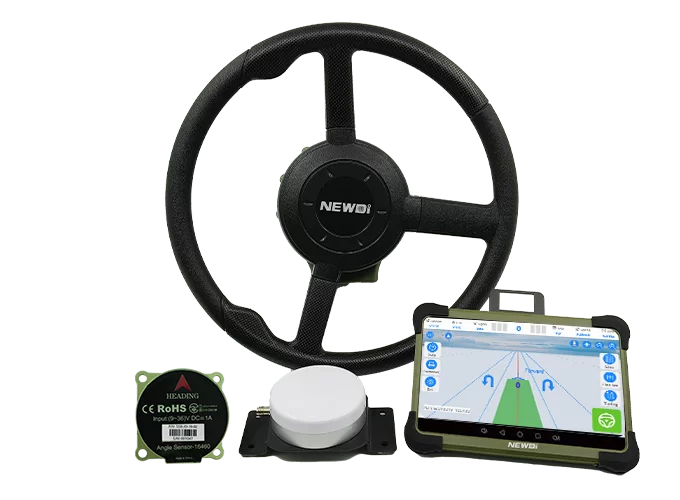
In the agricultural sector, particularly in the Po Valley, there is an urgent shift toward precision farming. The adoption of auto steer tractor systems is becoming essential to reduce overlap and optimize resource use in highly fragmented land parcels typical of Italian heritage farms.

Furthermore, the prevalence of seismic activity in Italy necessitates continuous monitoring. Professionals are increasingly relying on gps diferencial corrections to detect millimetric shifts in structural stability and land subsidence in coastal cities like Venice.
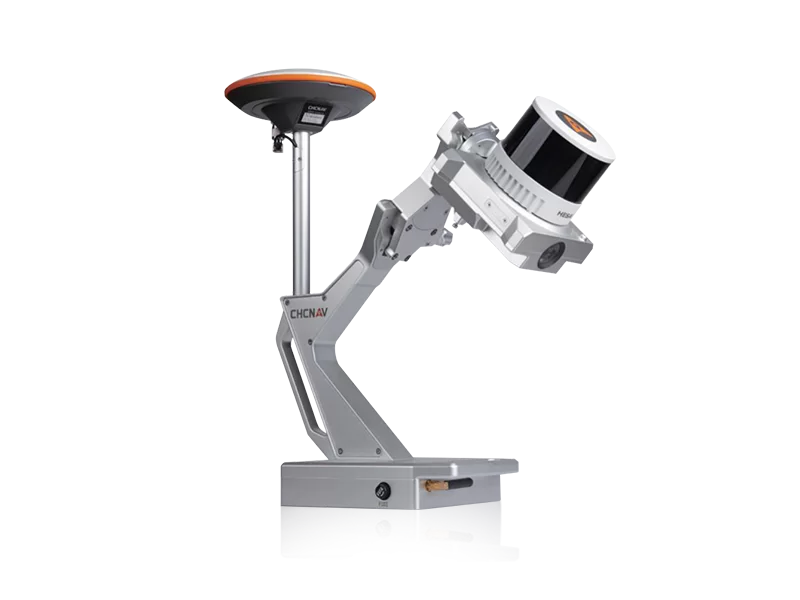
Evolution of Surveying Technology in Italy

From optical benchmarks to satellite-driven autonomy.

Market Development History

During the late 20th century, Italian surveying relied heavily on the total station, utilizing optical triangulation for cadastral mapping. This era established a strong foundation of geometric precision but was limited by line-of-sight requirements.

The early 2000s saw the introduction of early GPS systems, which transitioned the industry toward satellite-based positioning. However, these were often hindered by the "urban canyon" effect in cities like Rome and Milan, leading to the development of more robust multi-constellation receivers.

By 2015, the widespread deployment of RTK (Real-Time Kinematic) networks across Europe allowed Italian engineers to achieve centimeter-level accuracy in real-time, bridging the gap between traditional surveying and modern digital mapping.

Future Development Trends

Integration of AI with RTK

Predictive algorithms will soon enhance signal stability in forested areas of the Apennines, reducing the reliance on constant base station corrections.

Autonomous Machine Control

The transition from assisted steering to fully autonomous agricultural machinery will accelerate, driven by labor shortages in the Italian rural sector.

5G-Enabled Correction Streams

The rollout of 5G in Italy will enable ultra-low latency for gps diferencial data, allowing for real-time synchronization of entire fleets of construction machinery.

Future Trends and Strategic Outlook

Defining the next decade of precision measurement and automation.

Cloud-Native RTK Networks
Shift towards virtual reference stations (VRS) to eliminate the need for physical local base stations across Italy.
Hyper-Precision Ag-Tech
Integration of spectral sensors with positioning to enable spot-spraying and variable rate application.
Multi-Sensor Fusion
Combining GNSS with IMU and LiDAR for seamless positioning in tunnels and dense urban Italian districts.
Green-Tech Compliance
Using precision mapping to meet EU environmental regulations for reduced chemical runoff in agriculture.

Industry Outlook

The trend data indicates a surge in demand for hybrid systems that combine the agility of RTK with the robustness of traditional survey tools. In Italy, the "Digital Transition" funding (PNRR) is accelerating the procurement of high-end surveying equipment for public works.

We expect a convergence where positioning data becomes the primary layer for all Italian infrastructure management, from sewage systems in Venice to high-speed rail expansions in the South, ensuring long-term structural integrity through constant, high-precision monitoring.

Localized Application Scenarios in Italy

Real-world implementation of precision measurement across diverse Italian sectors.

1. Viticulture Optimization in Tuscany

Using auto steer tractor technology to maintain perfectly aligned rows in sloping vineyards, reducing soil compaction and improving harvest efficiency.

2. Seismic Monitoring in Campania

Deploying permanent gps diferencial stations around Vesuvius and Campi Flegrei to monitor ground deformation with millimeter precision.

3. Historic Center Restoration in Rome

Integrating a total station with GNSS for high-accuracy mapping of ancient structures where satellite signals are intermittently blocked by stone walls.

4. Precision Irrigation in the Po Valley

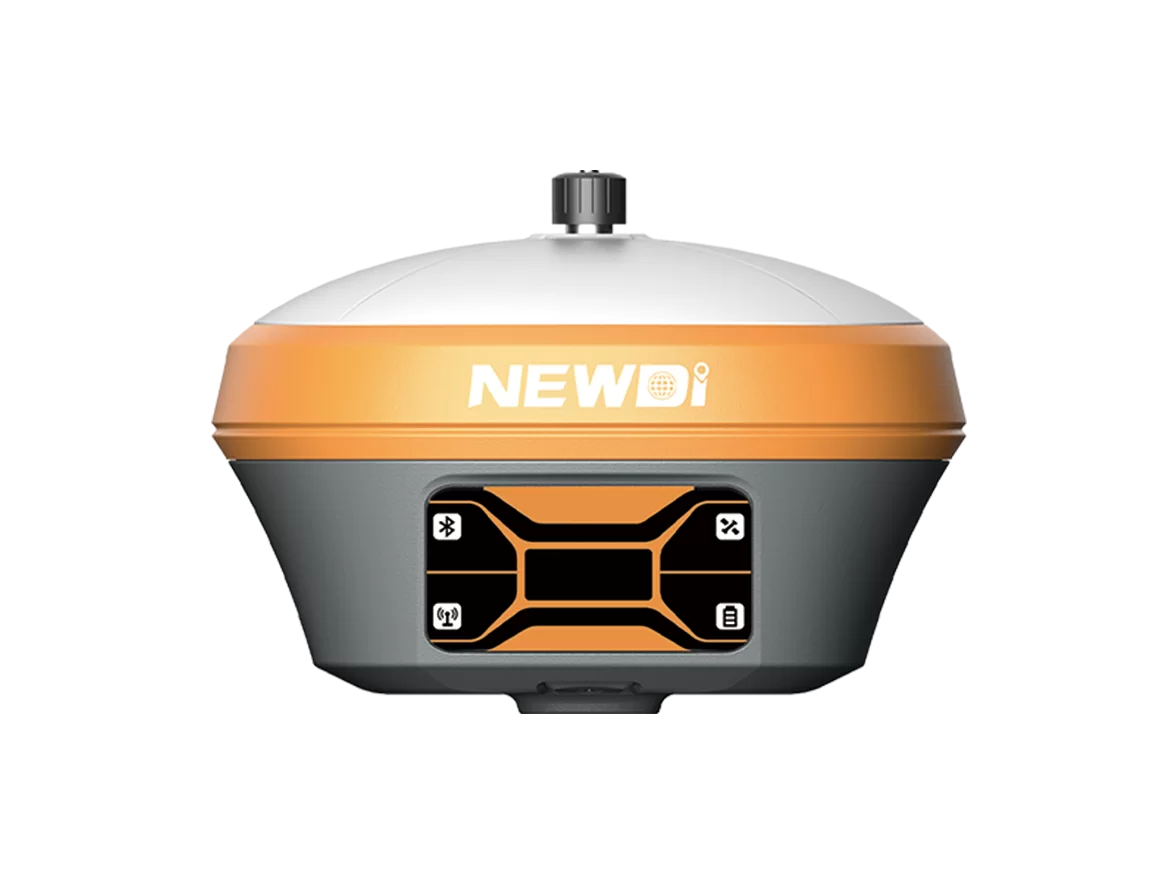
Applying gnss rtk receiver data to automate irrigation pivots, ensuring precise water distribution based on digital terrain models.

5. Coastal Erosion Mapping in Puglia

Utilizing professional surveying equipment to track shoreline retreat, providing critical data for coastal defense engineering.

Brand Story

Global Development Journey of Shanghai NCT Navigation Technology Co., Ltd.

Founding Vision

Established to bridge the gap between complex satellite data and practical field application, focusing on high-reliability positioning modules.

Technological Breakthrough

Developed proprietary RTK algorithms that significantly reduced convergence time, enabling faster deployment for surveyors worldwide.

Global Expansion

Entered the European market, tailoring solutions to meet the stringent accuracy standards of EU infrastructure projects.

Agricultural Innovation

Launched integrated auto-steering systems that revolutionized tractor efficiency for medium-to-large scale farming operations.

Sustainability Commitment

Focused on "Precision for Green," helping users reduce waste through extreme accuracy in resource application and land use.

Comprehensive Precision Suite for the Italian Market

A curated portfolio of tools designed for the Mediterranean climate and European technical standards.

Common Questions for Italian Professionals

Technical insights and operational guidance for geospatial equipment.

How does a GNSS RTK receiver maintain accuracy in hilly regions like the Apennines?

By using a combination of multi-frequency bands and a local base station or NTRIP caster, the receiver can correct ionospheric delays and maintain centimeter precision even with partial sky blockage.

Can an auto steer tractor system be retrofitted to older Italian machinery?

Yes, our systems are designed with universal mounting kits and electronic control units (ECUs) that can be integrated into most hydraulic steering systems regardless of the tractor's age.

What is the difference between a total station and GNSS for urban surveying in Italy?

A total station uses optical measurements and is ideal for "canyon" environments where satellites are blocked. GNSS is faster for open areas. The best approach is a hybrid workflow.

How does gps diferencial correction improve mapping accuracy?

Differential GPS compares the signal received at an unknown point with a known reference point, calculating the error and subtracting it to provide high-precision coordinates.

Which surveying equipment is best for cadastral mapping in Italy?

For cadastral work, we recommend a combination of an RTK GNSS receiver for boundary establishment and a total station for detailed internal structure measurements.

Are these RTK systems compatible with European ETRS89 coordinates?

Absolutely. All our receivers support standard European coordinate systems and projections, ensuring seamless integration with local government GIS data.

Ready to Elevate Your Precision?

Our experts are ready to help you deploy the most accurate measurement systems across Italy.

Contact Us Now