


Shanghai Newdi Navigation Technology Co.,Ltd

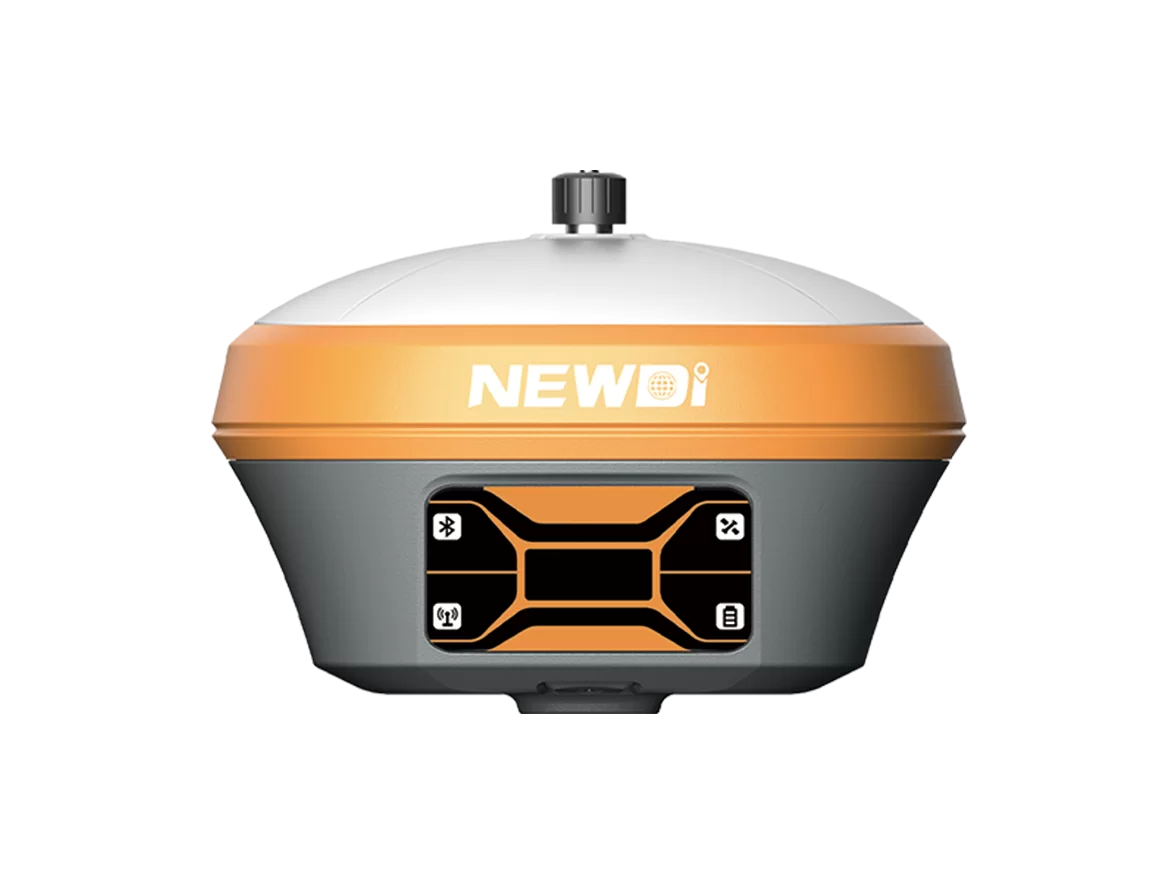
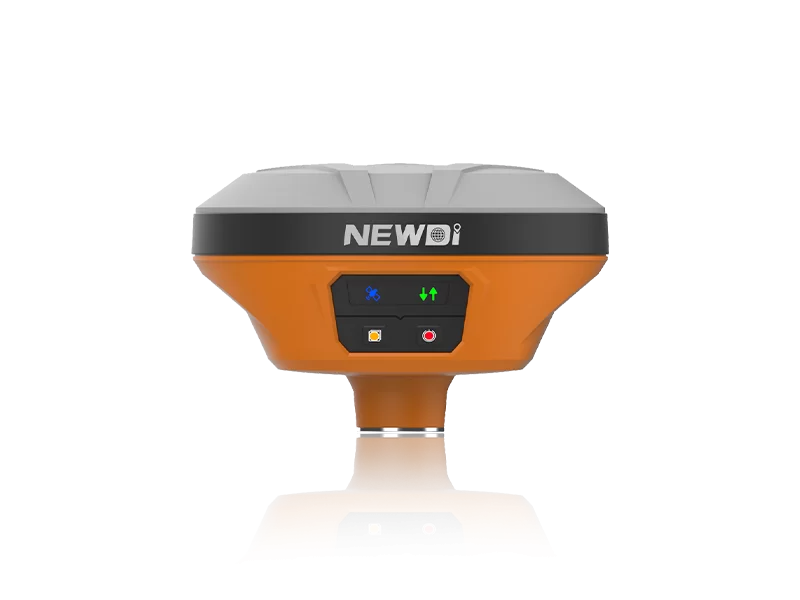
Precision gnss rtk receiver Solutions for German Engineering

Driving the future of German surveying and agricultural automation with centimeter-level accuracy and industrial-grade reliability.

Precision gnss rtk receiver Solutions for German Engineering

Integrating advanced surveying equipment with German industrial standards to optimize land management and infrastructure development.

The State of Geodetic Technology in Germany

Analyzing the intersection of high-precision measurement and Germany's strict technical norms.

Germany's measurement sector is characterized by an uncompromising demand for precision, driven by the "Industrie 4.0" initiative. The integration of a high-end total station remains critical for urban construction in cities like Berlin and Munich, where millimeter accuracy is mandated by law.

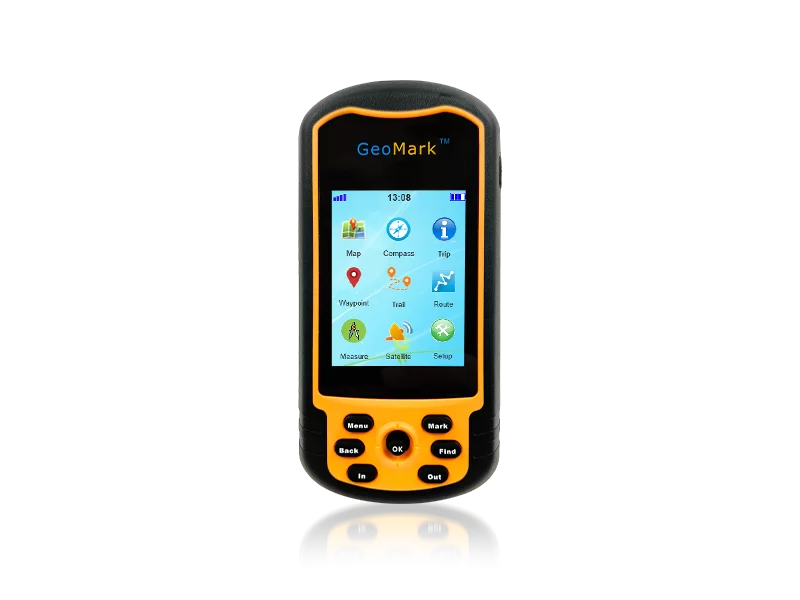
The German landscape, ranging from the North German Plain to the Bavarian Alps, requires versatile gps diferencial systems that can handle varying atmospheric conditions and signal occlusions in dense forested areas.

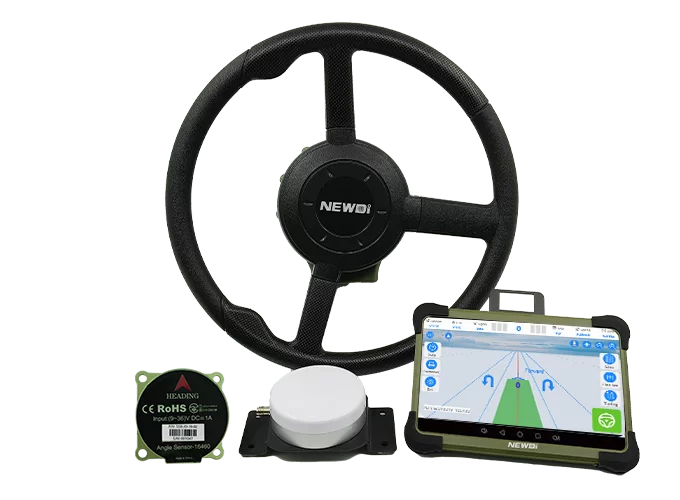
Current market trends show a rapid shift toward autonomous machinery. The adoption of auto steer tractor systems is accelerating across Lower Saxony and Bavaria to combat labor shortages and maximize crop yields through precision farming.
Evolution of Measurement Systems in Europe

From optical triangulation to satellite-based real-time kinematics.

Market Development History

In the late 20th century, German surveying relied heavily on mechanical and optical instruments. The transition began in the 1990s as electronic distance measurement (EDM) became the standard for infrastructure projects.

By the mid-2000s, the introduction of GNSS technology revolutionized the field. The shift from static GPS to RTK (Real-Time Kinematic) allowed for immediate high-precision data acquisition without lengthy post-processing.

From 2015 to the present, the focus has shifted toward "Smart Surveying," where IoT integration and cloud-based data management allow for seamless synchronization between the field and the office.

Future Development Trends

Integration of Multi-Constellation GNSS

Moving beyond GPS to include Galileo, GLONASS, and BeiDou to ensure uninterrupted signal availability in deep urban canyons.

AI-Driven Autonomous Guidance

The evolution of steering systems into fully autonomous platforms that can execute complex planting and harvesting patterns without human intervention.

Digital Twin Synchronization

Real-time linking of field measurements to BIM (Building Information Modeling) for instantaneous updates to digital infrastructure models.

Future Outlook of Precision Instrumentation

Predicting the technological trajectory of measurement and guidance systems.

Hyper-Convergence of Sensors
Combining GNSS with LiDAR and IMU for precise positioning in signal-denied environments.
Edge Computing Integration
Real-time data processing at the device level to reduce latency in autonomous steering.
5G-Enabled RTK Networks
Ultra-low latency corrections delivered via 5G networks for seamless field operations.
Sustainability Driven Precision
Reducing chemical runoff and fuel consumption through precise spatial management.

Industry Outlook

Based on Google search trends in the DACH region, there is a significant increase in queries for "automated farming" and "high-precision GIS," suggesting a shift toward integrated ecosystems rather than standalone tools.

We expect a 25% increase in the adoption of autonomous guidance systems in Germany over the next 3 years, as regulatory frameworks for driverless agricultural machinery are finalized across the EU.

Localization Application Scenarios in Germany

Practical implementations of measurement technology across various German industries.

01. Precision Viticulture in the Moselle Valley

Using gnss rtk receiver technology to navigate steep vineyard slopes, ensuring precise spraying and harvesting in challenging terrains.

02. Autobahn Infrastructure Expansion

Deploying a combination of total station and RTK systems for the precise layout of new highway interchanges and bridge supports.

03. Large-Scale Cereal Farming in Lower Saxony

Implementing auto steer tractor solutions to eliminate overlap and reduce seed waste during spring planting seasons.

04. Urban Planning in Frankfurt

Applying gps diferencial systems to manage underground utility mapping and high-rise foundation leveling.

05. Forest Management in the Black Forest

Utilizing rugged surveying equipment for boundary demarcation and biomass estimation in dense canopy environments.

Brand Story

Global Development History of Shanghai NCTNAV Navigation Technology Co., Ltd.

Founding Vision

Established with a mission to democratize high-precision GNSS technology for industrial and agricultural users worldwide.

Technical Breakthroughs

Developed proprietary algorithms to enhance signal stability in multipath environments, solving key pain points for urban surveyors.

Global Expansion

Entered the European market, tailoring products to meet the rigorous DIN standards and environmental requirements of Germany.

Eco-System Integration

Launched integrated software platforms that bridge the gap between hardware data collection and business intelligence.

Future Commitment

Dedicated to advancing autonomous navigation for a more sustainable and efficient global manufacturing and farming industry.

Comprehensive Product Portfolio for Germany

Engineered for reliability, designed for precision, and optimized for the European market.

Common Questions in the German Market

Expert answers to technical and operational queries regarding precision equipment.

How does a gnss rtk receiver maintain accuracy in the Bavarian Alps?

Our receivers utilize multi-constellation tracking and advanced tilt compensation to maintain centimeter-level accuracy even in mountainous terrain with partial sky occlusion.

Can auto steer tractor systems be integrated with existing John Deere or Fendt machinery?

Yes, our steering solutions are designed with universal compatibility, allowing seamless integration with most major European tractor brands via standard ISO interfaces.

What is the difference between a total station and RTK for urban surveying?

A total station uses optical measurement for absolute precision in line-of-sight areas, while RTK provides rapid, satellite-based positioning over larger areas without needing physical targets.

Is gps diferencial technology compatible with the German SAPOS network?

Our systems fully support NTRIP protocols, making them compatible with SAPOS and other European correction services for high-precision positioning.

Which surveying equipment is best for high-density urban mapping in Berlin?

For urban environments, we recommend a hybrid approach using a high-precision RTK receiver for general layout and a total station for critical structural measurements.

How often should GNSS equipment be calibrated for German industrial standards?

To comply with local precision norms, we recommend annual professional calibration and monthly field verification against known benchmarks.

Consult Our Precision Experts

Ready to upgrade your infrastructure or agricultural efficiency in Germany? Our technical team is here to provide a tailored solution.

Contact Us Now