

Shanghai Newdi Navigation Technology Co.,Ltd

Precision gnss rtk receiver Solutions for Tajikistan's Terrain

Empowering Tajikistan's infrastructure and agriculture with high-precision geospatial intelligence and automated measurement technologies.

Precision gnss rtk receiver Solutions for Tajikistan's Terrain

Integrating cutting-edge satellite positioning and automated guidance to overcome the geographical challenges of the Pamir Mountains and the Fergana Valley.

Current Landscape of Surveying in Tajikistan

Analyzing the intersection of rugged topography and the need for digital mapping.

Tajikistan's unique geography, dominated by the high-altitude Pamir Mountains, creates significant signal obstruction and multipath interference for traditional surveying equipment. Local engineering firms often struggle with the transition from legacy analog tools to digital ecosystems in remote alpine regions.

In the agricultural sectors of the Khatlon and Sughd regions, there is a growing demand for precision farming. However, the adoption of auto steer tractor systems has been slowed by the lack of local RTK base station networks and specialized technical support for high-precision navigation.

Urban development in Dushanbe is accelerating, necessitating the use of high-accuracy total station devices. The current market is seeing a shift toward hybrid workflows that combine traditional optical measurements with satellite-based corrections to ensure structural stability in seismic zones.

Evolution of Geospatial Technology in Tajikistan

From manual theodolites to real-time kinematic precision.

Market Development History

Prior to 2010, the Tajik market relied heavily on mechanical measurement tools and early-stage GPS units. Surveying was a labor-intensive process, often requiring manual data entry and significant post-processing time for land registration.

Between 2010 and 2020, the introduction of gps diferencial systems marked a pivotal shift. This era saw the adoption of differential corrections, allowing for centimeter-level accuracy in road construction and mining projects across the country.

From 2020 to the present, the industry has entered the RTK era. The integration of multi-constellation receivers allows professionals to maintain signal locks even in deep valleys, drastically reducing the time required for large-scale topographical surveys.

Future Development Trends

Integration of Multi-GNSS constellations

The trend is moving toward receivers that simultaneously utilize GPS, GLONASS, BeiDou, and Galileo to maximize availability in mountainous corridors.

AI-Driven Automation in Farming

Expect a surge in autonomous agricultural machinery where steering is governed by real-time cloud corrections rather than static base stations.

Digital Twin Mapping for Disaster Management

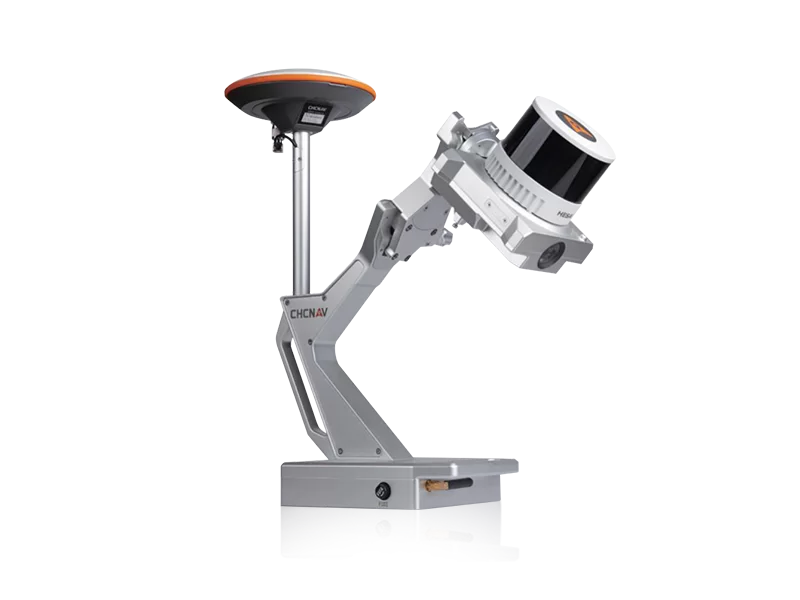
Increased focus on creating high-resolution 3D models of landslide-prone areas using integrated surveying sensors and LiDAR.

Industry Trends and Future Outlook

Navigating the shift toward autonomous and hyper-accurate spatial data.

Real-Time Correction Networks
Transitioning from local base stations to nationwide VRS (Virtual Reference Station) networks for seamless connectivity.
Autonomous Ag-Tech
Deployment of steer-by-wire systems to optimize seed and fertilizer placement in the Fergana Valley.
Hybrid Measurement Hubs
Merging GNSS and optical data into a single cloud-based project management platform.
Edge Computing Sensors
On-device data processing to reduce latency in critical infrastructure monitoring.

Industry Outlook

The trajectory of measurement technology in Tajikistan is heavily influenced by government initiatives to digitize land registries and improve irrigation efficiency. As the country invests in the "Green Economy," the demand for hyper-accurate spatial tools will scale exponentially.

Within the next 3-5 years, the convergence of RTK technology and automated machinery will redefine the Tajik agricultural landscape, reducing operational costs and increasing crop yields through precision application.

Localized Application Scenarios in Tajikistan

Real-world implementation of precision instruments across diverse Tajik terrains.

01. Pamir Highway Infrastructure Monitoring

Using a total station combined with GNSS to monitor slope stability and road deformation in high-altitude corridors, ensuring safety against seismic shifts.

02. Precision Cotton Farming in Khatlon

Implementation of auto steer tractor kits to ensure perfectly straight rows and zero-overlap during planting, optimizing water use in arid zones.

03. Boundary Demarcation in Rural Districts

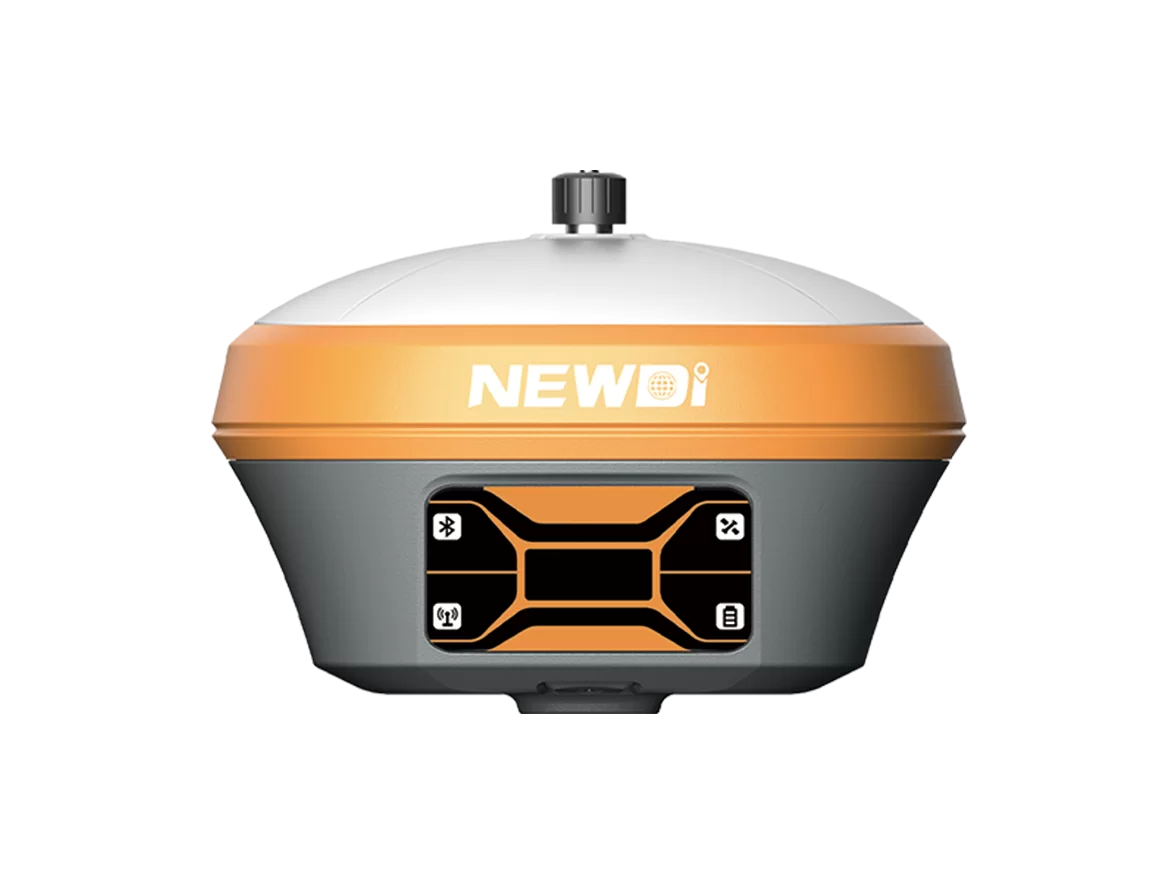
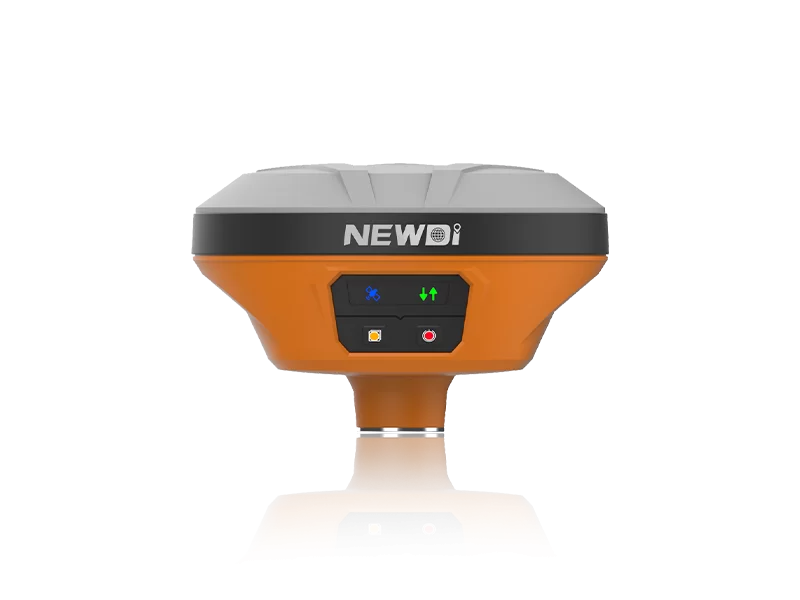
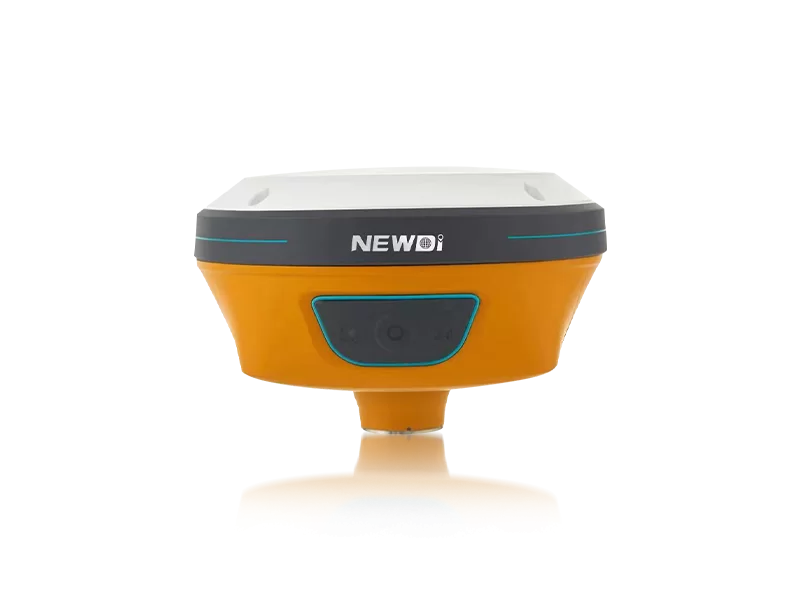
Deploying high-sensitivity gnss rtk receiver units for rapid and legal land boundary definition, resolving disputes through indisputable spatial data.

04. Hydroelectric Dam Construction

Utilizing gps diferencial techniques to maintain millimeter-level precision during the pouring of concrete for large-scale dam foundations.

05. Urban Planning in Dushanbe

Comprehensive use of professional surveying equipment for the modernization of the city's drainage and utility networks to prevent seasonal flooding.

Brand Story

Global Development History of Shanghai Newland Navigation Technology Co., Ltd.

Foundation and Vision

Established with a mission to democratize high-precision positioning, focusing on solving the "last centimeter" problem for global industrial users.

Technological Breakthrough

Developed proprietary RTK algorithms that significantly reduced initialization time, enabling faster deployments in challenging environments.

Agricultural Revolution

Expanded into the Ag-Tech sector, creating seamless integration between satellite receivers and tractor steering systems for precision farming.

Global Market Expansion

Successfully entered Central Asian markets, tailoring hardware to withstand extreme temperatures and rugged mountainous terrains.

Commitment to Innovation

Continuing to pioneer the integration of AI and GNSS to provide autonomous, intelligent spatial solutions for the next generation of industry.

Comprehensive Product Portfolio for Tajikistan

Professional-grade tools engineered for alpine and agricultural resilience.

Common Questions in Tajikistan's Surveying Industry

Expert answers to technical challenges in the local market.

How does the mountainous terrain affect GNSS RTK receiver accuracy?

High mountains can cause signal blockage and multipath errors. Our receivers utilize multi-constellation tracking and advanced filtering algorithms to maintain stability in deep valleys.

Can auto steer tractor systems be installed on older machinery?

Yes, our universal steering kits are designed for retrofitting, allowing farmers to upgrade existing tractors with high-precision guidance without buying new fleets.

What is the difference between a total station and GNSS for urban mapping?

A total station provides superior accuracy in "urban canyons" where satellite signals are blocked, while GNSS offers unmatched speed for open-area surveys.

Is GPS diferencial still relevant with the rise of RTK?

Yes, differential GPS is still essential for wide-area applications where real-time correction links are unavailable, providing a reliable baseline for post-processing.

What surveying equipment is best for landslide monitoring in the Pamirs?

A combination of high-precision GNSS for absolute movement and total stations for relative displacement monitoring is the gold standard for landslide safety.

How do I maintain precision instruments in dusty agricultural environments?

We recommend using IP67-rated hardware and performing regular calibration of the sensors to ensure dust and moisture do not impact measurement accuracy.

Ready to Elevate Your Precision?

Contact our expert team today for tailored geospatial solutions in Tajikistan.

Contact Us Now