

Shanghai Newdi Navigation Technology Co.,Ltd

Precision gnss rtk receiver Solutions for Oman Infrastructure

Empowering Oman's urban development and agricultural modernization with high-precision spatial data and automated guidance systems.

Precision gnss rtk receiver Solutions for Oman Infrastructure

Integrating cutting-edge surveying equipment to ensure centimeter-level accuracy for Oman's diverse topographical challenges, from the Al Hajar Mountains to the coastal plains.

The Landscape of Geomatics in Oman

Adapting High-Precision Measurement to the Omani Environment

Oman's unique geography, characterized by extreme heat and varied terrain, presents significant challenges for traditional surveying equipment. The industry is currently shifting toward ruggedized, heat-resistant hardware that can maintain stability in desert temperatures exceeding 50°C.

With the government's "Oman Vision 2040," there is a surging demand for gps diferencial systems to support massive infrastructure projects, including new industrial cities and expanded port facilities in Duqm, requiring absolute precision over vast distances.

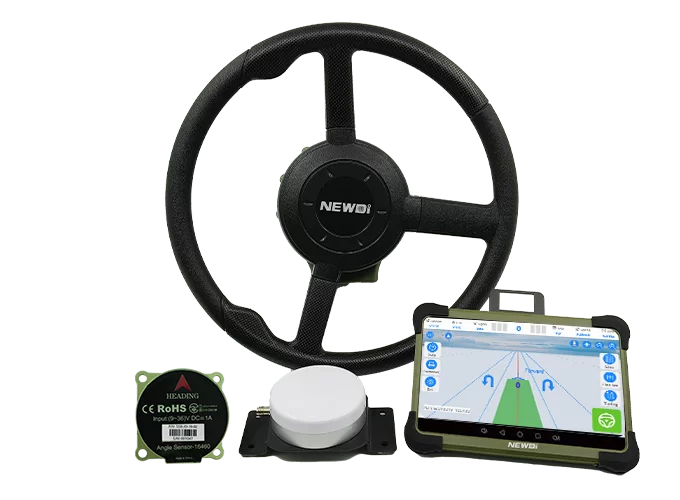
Furthermore, the agricultural sector in the Al Batinah region is increasingly adopting an auto steer tractor approach to optimize water usage and land management, reducing overlap and increasing efficiency in arid soil conditions.
Evolution of Measurement Technology in Oman

From Manual Optical Surveys to Real-Time Kinematic Automation

Market Development History

In the early 2000s, the Omani market relied heavily on traditional total station units for land boundary definitions. These optical methods were slow and susceptible to atmospheric refraction caused by heat haze.

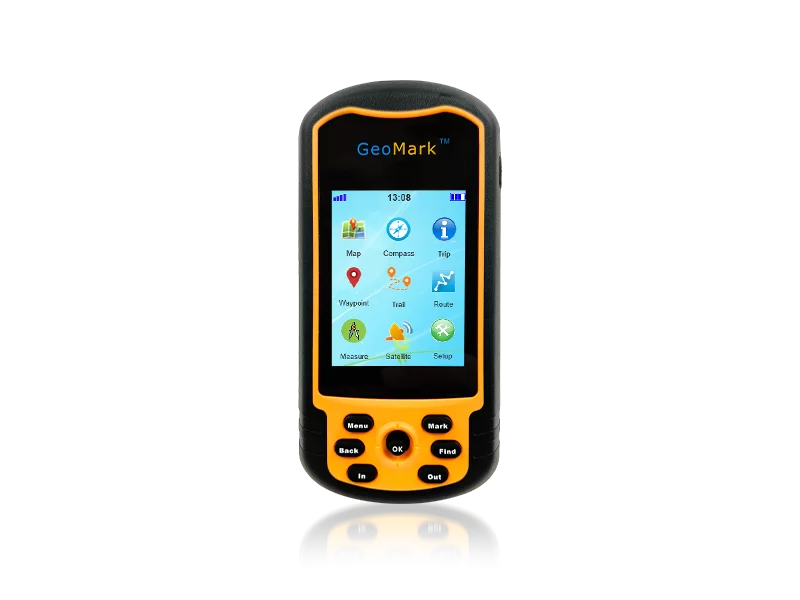
Between 2010 and 2018, the transition toward GNSS began. The introduction of the first generation of gps diferencial systems allowed surveyors to cover larger areas of the desert with fewer physical benchmarks, drastically speeding up road construction.

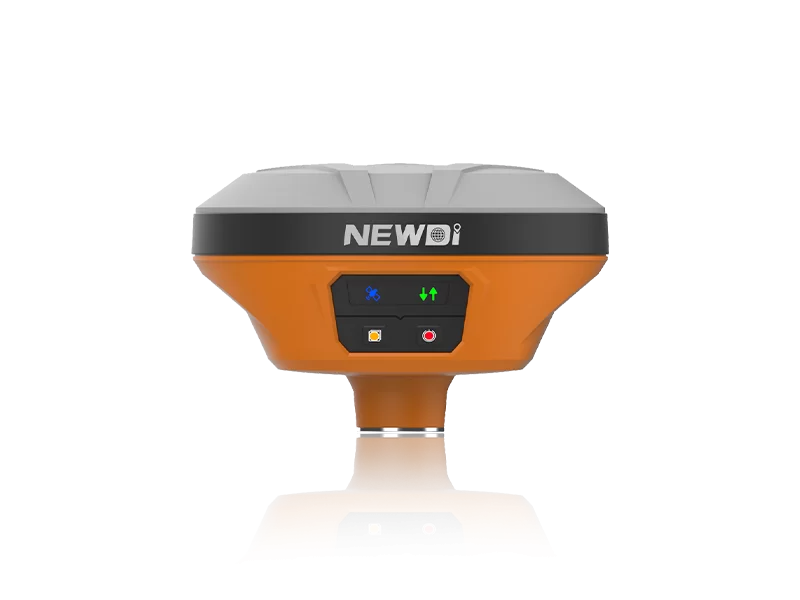
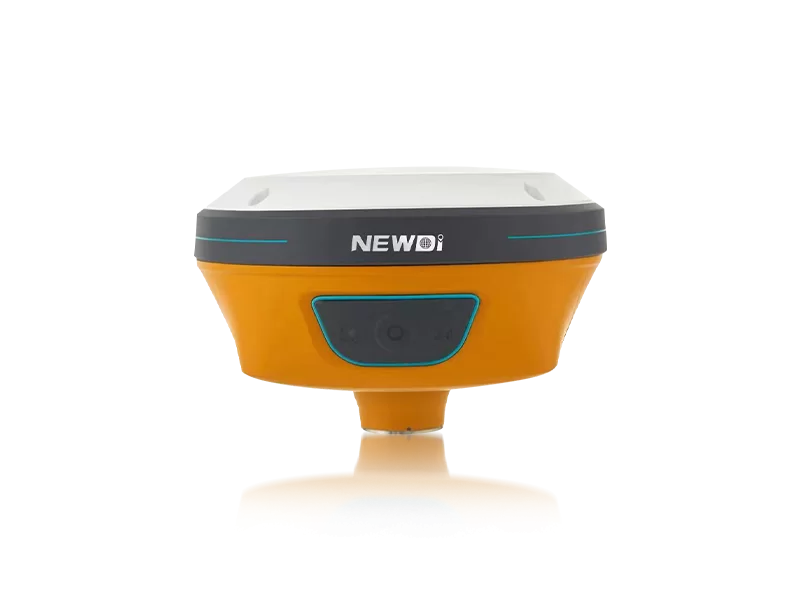
From 2019 to the present, the adoption of RTK technology has revolutionized the field. The current era is defined by the gnss rtk receiver, providing instant corrections via cellular networks (NTRIP), which is critical for the fast-paced urban growth in Muscat.

Future Development Trends

AI-Driven Terrain Analysis

Integration of machine learning with surveying data to predict soil erosion and landslide risks in the mountain regions of Oman.

Autonomous Precision Farming

A shift from simple guidance to fully autonomous auto steer tractor fleets that operate without human intervention, optimizing crop yields in Oman's greenhouses.

Cloud-Based GIS Integration

Moving from local data storage to real-time cloud synchronization, allowing project managers in Muscat to monitor site progress in Salalah instantly.

Industry Outlook and Future Trajectory

Forecasting the Next 5 Years of Precision Instrumentation

Satellite Constellation Expansion
Multi-constellation support (Beidou, GPS, GLONASS, Galileo) will eliminate signal dead zones in deep Omani wadis.
Edge Computing Integration
On-device processing of spatial data to reduce reliance on remote servers in rural Oman.
Hyper-Local Correction Networks
Development of privately owned base stations to ensure 1cm accuracy for sensitive oil and gas pipelines.
Sustainability-Driven Surveying
Using precise mapping to minimize environmental disruption during the construction of solar parks in Oman.

Industry Outlook

Based on Google Search trends for "precision agriculture" and "smart city infrastructure" in the Middle East, we expect a 25% annual increase in the demand for RTK-enabled devices in Oman. The focus is shifting from simple data collection to real-time operational control.

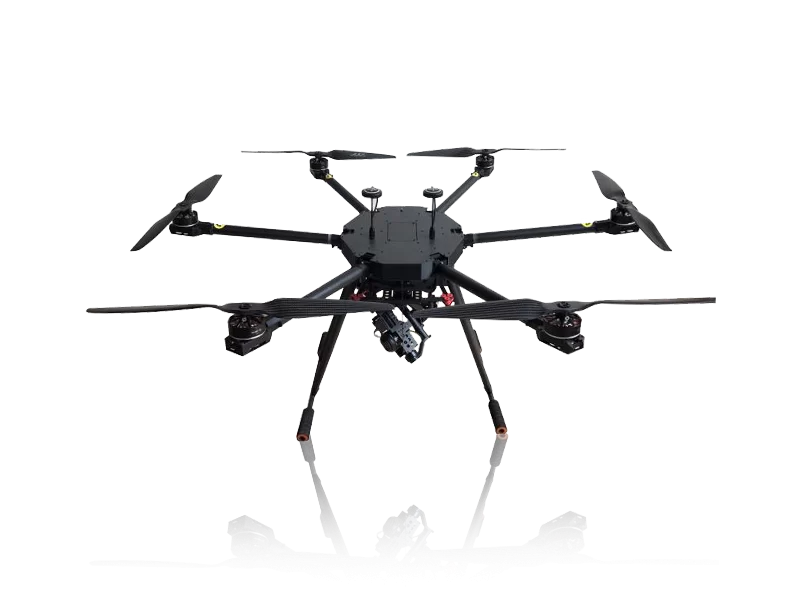
The future will see a convergence of UAVs (drones) and ground-based surveying equipment, creating a hybrid ecosystem where 3D mapping is updated in real-time to reflect the rapid architectural changes in Omani cities.

Localized Application Scenarios in Oman

Real-World Deployment of High-Precision Instrumentation

01. Oil & Gas Pipeline Mapping in the Desert

Using gps diferencial systems to map thousands of kilometers of pipelines across the Empty Quarter, ensuring precise coordinates for maintenance and leak detection.

02. Automated Date Palm Plantation Management

Implementing auto steer tractor systems in commercial date farms to automate irrigation line installation and precision fertilizing.

03. Muscat Urban Expansion & Land Cadastre

Utilizing a combination of total station and GNSS for high-density urban mapping, defining property boundaries in the growing suburbs of Muscat.

04. Port Duqm Strategic Infrastructure

Deploying high-end gnss rtk receiver units to guide the construction of deep-water berths and logistics hubs with millimeter-level tolerance.

05. Mountainous Road Construction in Al Hajar

Applying advanced surveying equipment to design safe winding roads through steep cliffs, utilizing RTK for rapid slope analysis.

Brand Story

Global Development Journey of Shanghai NCT Navigation Technology Co., Ltd.

Founding Vision

Established with the mission to bridge the gap between complex satellite data and practical field applications in the precision instrument industry.

Technical Breakthrough

Developed proprietary RTK algorithms that significantly reduced signal acquisition time, solving the pain point of "wait times" for field surveyors.

Global Expansion

Expanded operations into the Middle East, optimizing hardware for extreme heat and dust to serve the demanding Omani and Gulf markets.

Agricultural Innovation

Launched the integrated auto-steer series, transforming traditional farming into precision agriculture through seamless GNSS integration.

Future commitment

Committed to providing the world's most reliable spatial-temporal solutions, ensuring every measurement is a foundation for sustainable growth.

Comprehensive Precision Portfolio for Oman

Integrated solutions from land surveying to autonomous machinery guidance.

Common Questions in Oman's Surveying Sector

Expert Answers to Local Technical Challenges

How does heat affect the accuracy of a gnss rtk receiver in the Oman desert?

Extreme heat can cause electronic drift. Our receivers use industrial-grade temperature compensation and heat-dissipating casings to maintain centimeter accuracy even in Muscat's peak summer.

Can an auto steer tractor be integrated with existing Omani farm machinery?

Yes, our systems are designed for universal compatibility, featuring adjustable mounts and controllers that fit most tractor brands used in the Al Batinah region.

What is the difference between a total station and RTK for Oman's infrastructure?

A total station is best for high-precision, short-range work (like building corners), while RTK is superior for large-scale mapping where satellite visibility is clear.

Is a gps diferencial system necessary for oil pipeline monitoring?

Absolutely. Differential GPS eliminates common atmospheric errors, which is critical when managing critical energy infrastructure across vast distances.

What surveying equipment is best for the rugged Al Hajar mountains?

We recommend a hybrid approach: RTK for rapid reconnaissance and a total station for detailed engineering where cliff walls block satellite signals.

How do I ensure signal stability for GNSS in remote parts of Oman?

By using multi-constellation receivers and setting up a local UHF radio base station when cellular (NTRIP) coverage is unavailable in remote wadis.

Expert Consultation for Precision Mapping

Ready to upgrade your infrastructure project in Oman? Our engineers are available for local technical support and system integration.

Contact Us Now