

Shanghai Newdi Navigation Technology Co.,Ltd

High-Precision gnss rtk receiver Solutions for Saudi Arabia

Empowering the Kingdom's Vision 2030 with cutting-edge geospatial intelligence and automated measurement technology.

High-Precision gnss rtk receiver Solutions for Saudi Arabia

Integrating advanced surveying equipment to deliver centimeter-level accuracy for infrastructure and agricultural expansion across the Arabian Peninsula.

The State of Precision Measurement in Saudi Arabia

Navigating extreme environments with high-end geospatial instruments.

In Saudi Arabia, the demand for reliable surveying equipment is driven by massive giga-projects like NEOM and the Red Sea Global. The harsh desert climate, characterized by extreme heat and sandstorms, requires hardware with high IP ratings and thermal stability to ensure consistent data collection.

The current landscape sees a rapid shift toward gps diferencial systems to overcome the vast distances of the interior plateau. Engineers are moving away from fragmented manual measurements toward integrated digital twins, necessitating high-frequency data updates and robust correction signals.

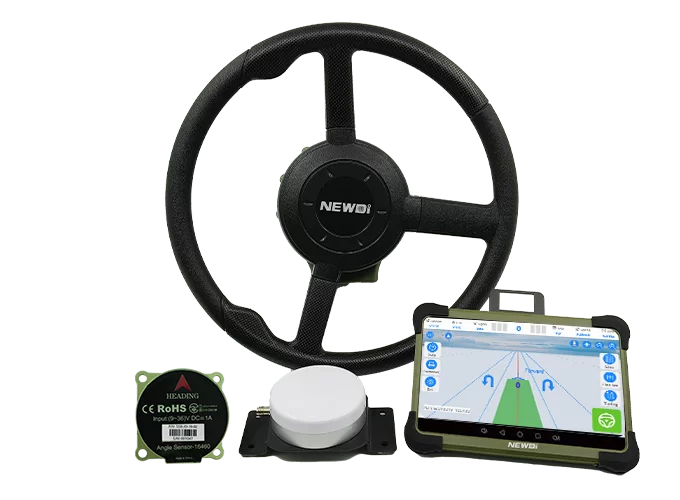
Agriculture in the region is also undergoing a digital transformation. To maximize water efficiency in arid soil, the adoption of auto steer tractor technology is increasing, allowing for precision farming that minimizes overlap and optimizes resource allocation in center-pivot irrigation systems.
Evolution of Measurement Technology in the Kingdom

From traditional optical tools to AI-driven satellite positioning.

Market Development History

Before 2010, the Saudi market relied heavily on the traditional total station for most boundary and construction work. These optical instruments provided high accuracy but were limited by line-of-sight requirements and slower data entry processes.

Between 2010 and 2020, the introduction of early GNSS technology allowed for faster site reconnaissance. The shift began as operators integrated gps diferencial capabilities to handle large-scale land surveying, reducing the time required for baseline establishment across the desert.

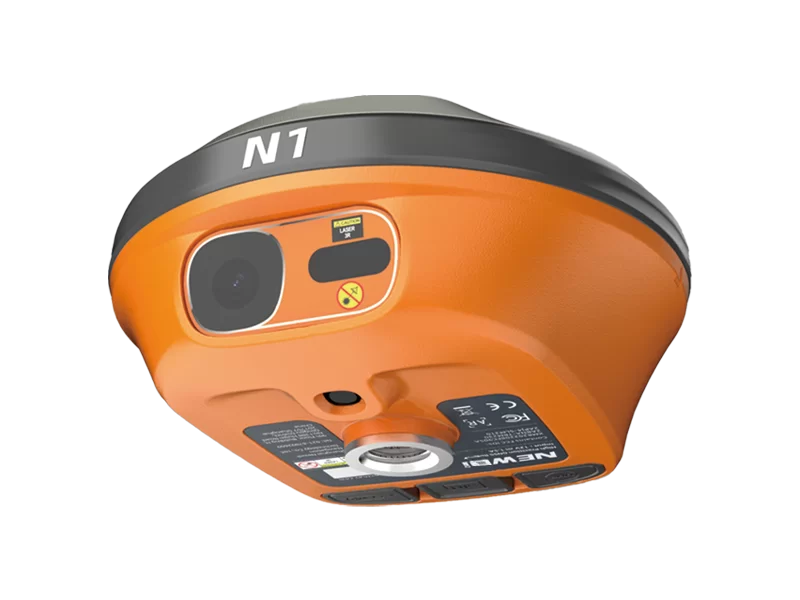
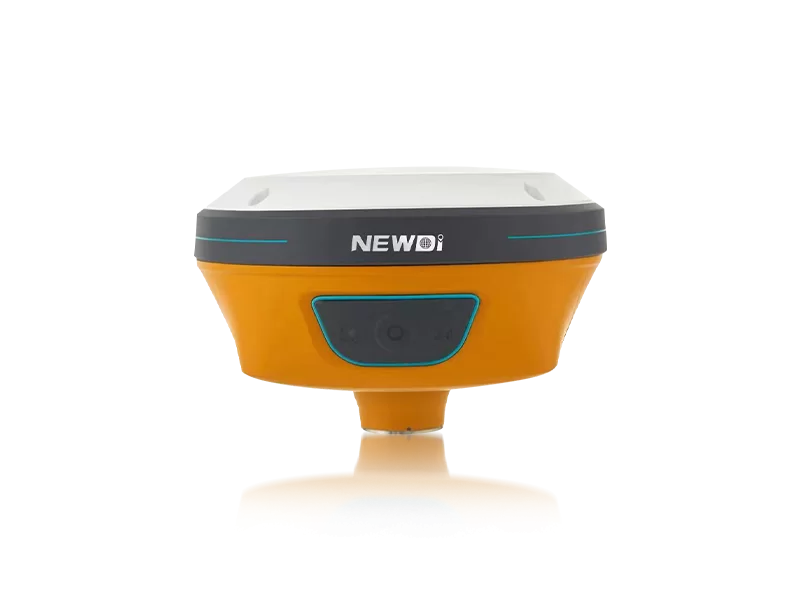
From 2020 to the present, the "Vision 2030" initiative has accelerated the transition to RTK (Real-Time Kinematic) workflows. The deployment of permanent CORS networks across the country has made the gnss rtk receiver the industry standard for real-time precision.

Future Development Trends

Autonomous Machine Control

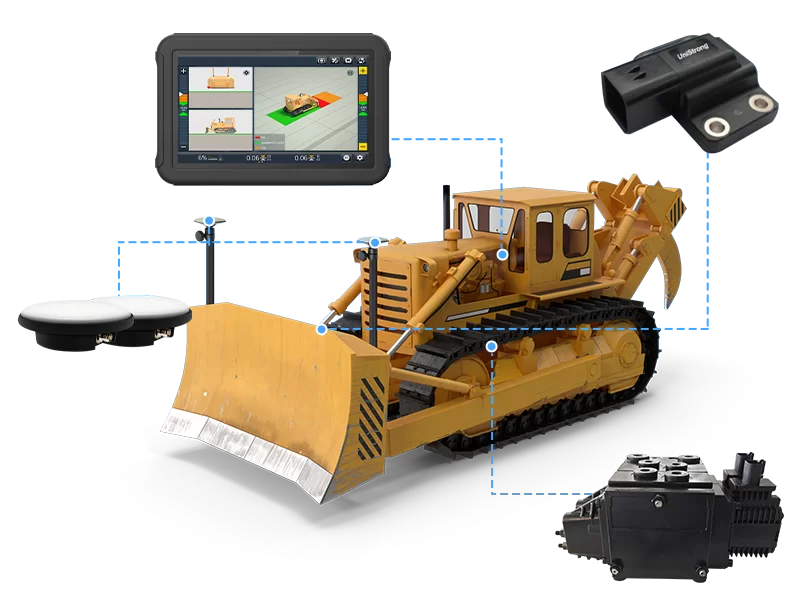
Integration of steering systems with GNSS will evolve, moving from basic auto steer tractor units to fully autonomous grading and excavation machinery.

Multi-Constellation Fusion

Future devices will leverage Beidou, Galileo, and GPS simultaneously to ensure signal availability in the deep canyons of the Sarawat Mountains.

Cloud-Based Surveying Ecosystems

A shift toward "Surveying-as-a-Service" where data from the field is synced instantly to BIM models via 5G networks deployed across Saudi urban centers.

Future Trends and Strategic Outlook

Predicting the next wave of geospatial innovation in Asia - Saudi Arabia.

Hyper-Precision RTK
Movement toward sub-centimeter consistency even in high-interference urban environments of Riyadh and Jeddah.
Agri-Tech Automation
Scaling the use of auto-steering systems to reduce labor costs in large-scale desert wheat and date farms.
Smart City Integration
Linking surveying data directly into city management platforms for real-time infrastructure monitoring.
AI-Enhanced Analysis
Using machine learning to filter GNSS noise caused by ionospheric disturbances common in the Middle East.

Industry Outlook

Based on Google search trends for "precision agriculture" and "smart construction" in the MENA region, we anticipate a 15% annual growth in the adoption of RTK-based systems. The focus is shifting from mere measurement to "active guidance."

The Saudi government's investment in digital infrastructure ensures that the next 3-5 years will see a convergence of satellite positioning and IoT, creating a seamless data flow from the field to the boardroom.

Local Application Scenarios in Saudi Arabia

Practical deployments of measurement technology in the Kingdom's unique terrain.

01. NEOM Infrastructure Layout

Utilizing a total station combined with RTK receivers to execute the precise linear alignment of "The Line," ensuring structural integrity across diverse geological zones.

02. Rub' al Khali Desert Mapping

Deploying gps diferencial systems to map oil and gas pipelines in the Empty Quarter, where traditional markers are impossible to maintain due to shifting sands.

03. Al-Jouf Region Precision Farming

Implementing auto steer tractor kits on olive and wheat farms to optimize irrigation paths and reduce fuel consumption by 20%.

04. Jeddah Waterfront Urban Planning

Using high-frequency gnss rtk receiver units for coastal boundary surveying and sea-level monitoring to prevent flooding in urban developments.

05. Riyadh Metro Extension Surveys

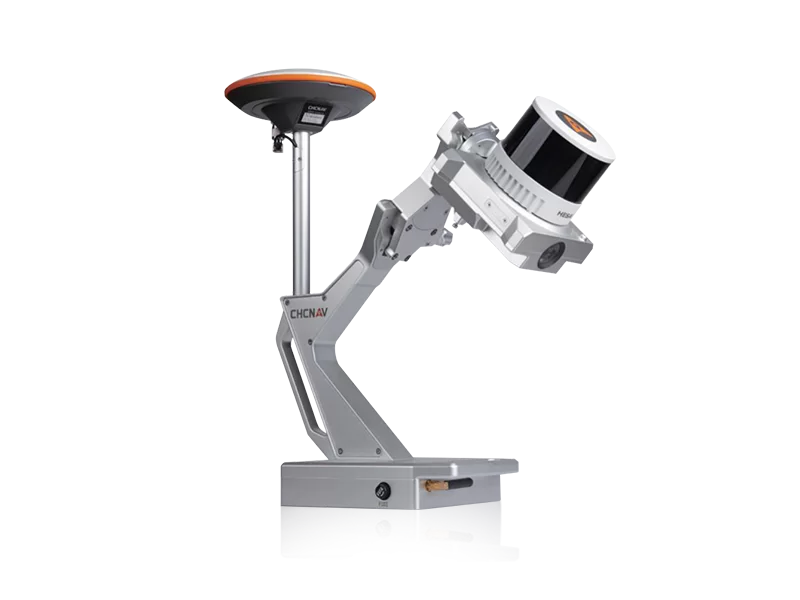
Combining satellite data with laser-based surveying equipment to ensure millimeter-precision tunneling and station positioning in the densely populated capital.

Brand Story

Global Development Journey of Shanghai NCT Navigation Technology Co., Ltd.

Foundation and Vision

Established with a mission to bridge the gap between complex satellite data and practical field application, focusing on high-precision GNSS modules.

Technological Breakthrough

Developed proprietary RTK algorithms that significantly reduced initialization time, solving the pain point of slow setup in the field.

Global Expansion

Extended operations into Asia and the Middle East, adapting hardware to withstand the extreme temperatures of the Saudi Arabian desert.

Agricultural Innovation

Launched a specialized line of auto-steering solutions to empower farmers worldwide with precision guidance technology.

Industry Leadership

Now recognized as a key provider of integrated measurement solutions, supporting the world's most ambitious infrastructure projects.

Complete Product Portfolio for Saudi Arabia

A comprehensive suite of tools designed for desert resilience and extreme precision.

Common Questions in the Saudi Market

Technical guidance for surveying and positioning in the Middle East.

How does extreme heat affect gnss rtk receiver accuracy?

High temperatures can cause electronic drift. Our receivers use industrial-grade components and thermal shielding to maintain centimeter-level accuracy even in 50°C+ Saudi summers.

Can a total station replace GNSS in urban Riyadh?

In "urban canyons" where skyscrapers block satellite signals, a total station is essential. We recommend a hybrid workflow using both for maximum reliability.

Is gps diferencial suitable for large desert oil fields?

Yes, differential GPS is ideal for wide-area coverage where RTK base stations are too far apart, providing the necessary stability for long-distance pipeline mapping.

How to install auto steer tractor systems on older machinery?

Our systems are designed with universal mounting brackets and compatible hydraulic valves to retrofit most tractor models used in Saudi agriculture.

What is the best surveying equipment for sand dune stability analysis?

A combination of RTK-GNSS for absolute positioning and high-precision leveling tools is best for monitoring the gradual shifts of desert terrain.

Does the Saudi CORS network support all RTK receivers?

Most modern receivers support the NTRIP protocol used by Saudi CORS. Our devices are fully compatible and optimized for local correction streams.

Ready to Elevate Your Precision?

Contact our expert team today for customized geospatial solutions tailored specifically for Saudi Arabia.

Contact Us Now