

Shanghai Newdi Navigation Technology Co.,Ltd

Precision gnss rtk receiver Solutions for Israel's Infrastructure

Empowering Israeli engineering and agriculture with centimeter-level accuracy through advanced geospatial measurement technologies.

Precision gnss rtk receiver Solutions for Israel's Infrastructure

Integrating high-precision positioning and automated guidance to optimize land management and construction efficiency across the Israeli landscape.

Current Landscape of Surveying in Israel

Analyzing the integration of high-precision instruments in a technologically advanced Mediterranean environment.

Israel's unique geography, characterized by diverse terrains from the Galilee mountains to the Negev desert, demands highly resilient surveying equipment. The local market is currently shifting towards fully digitized land registries and BIM-integrated construction, requiring seamless data flow between the field and the office.

In the agricultural sector, the scarcity of water and the need for extreme precision in irrigation and planting have made the adoption of auto steer tractor systems a strategic necessity rather than a luxury, aiming to reduce overlap and optimize resource distribution.

Furthermore, the urban density in cities like Tel Aviv creates challenging multipath environments, pushing local professionals to seek a robust gps diferencial setup to maintain accuracy despite signal obstructions from skyscrapers and complex urban infrastructure.
Evolution of Geodetic Measurement in Israel

From traditional optical measurements to the era of satellite-based real-time kinematics.

Market Development History

Prior to the 2000s, the Israeli market relied heavily on the traditional total station for boundary surveys and cadastral work. These optical instruments provided the foundation for the country's early infrastructure growth but were limited by line-of-sight requirements.

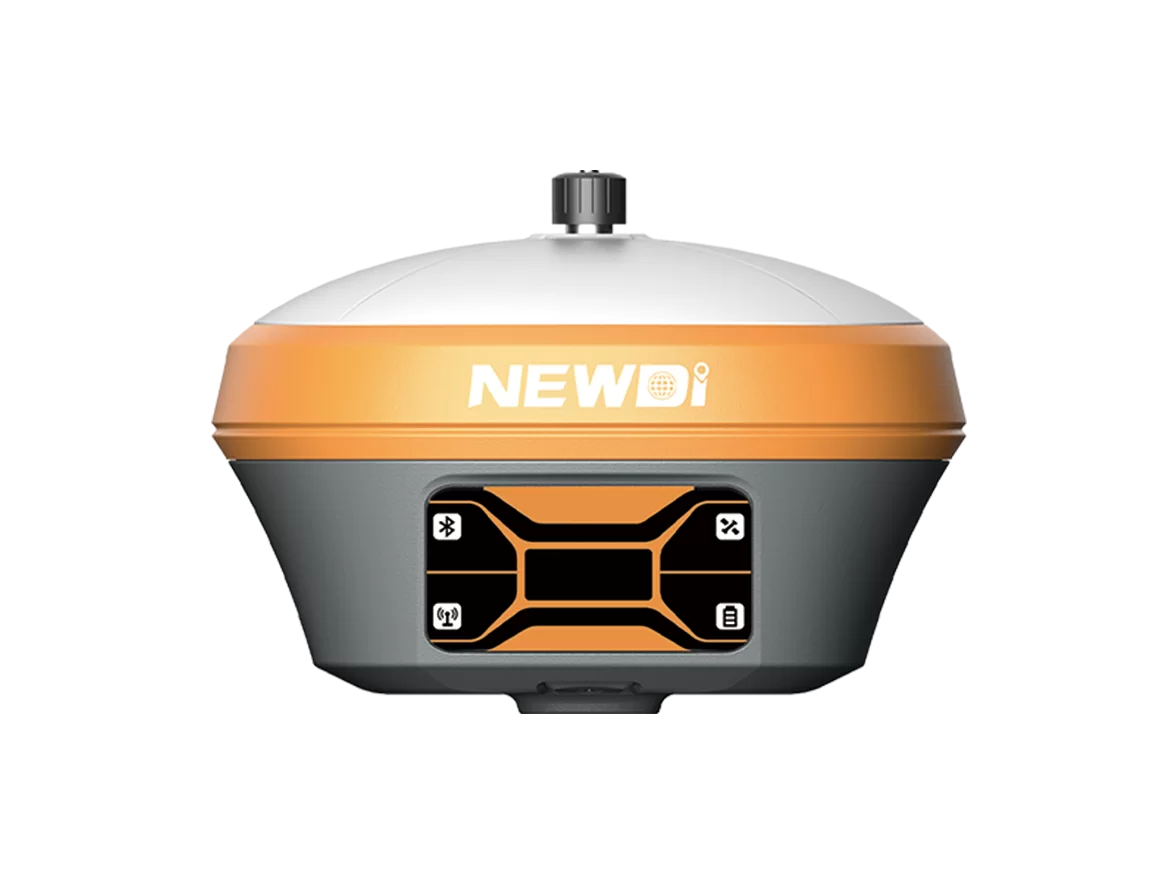
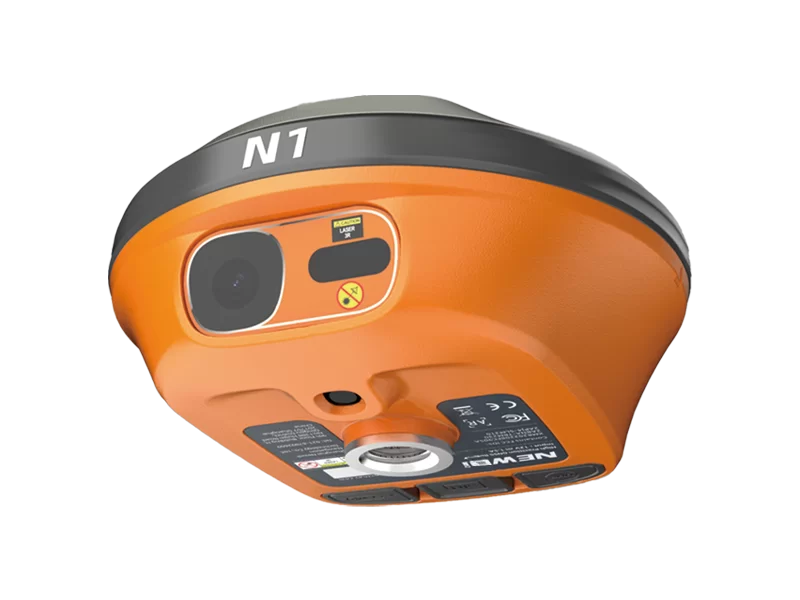
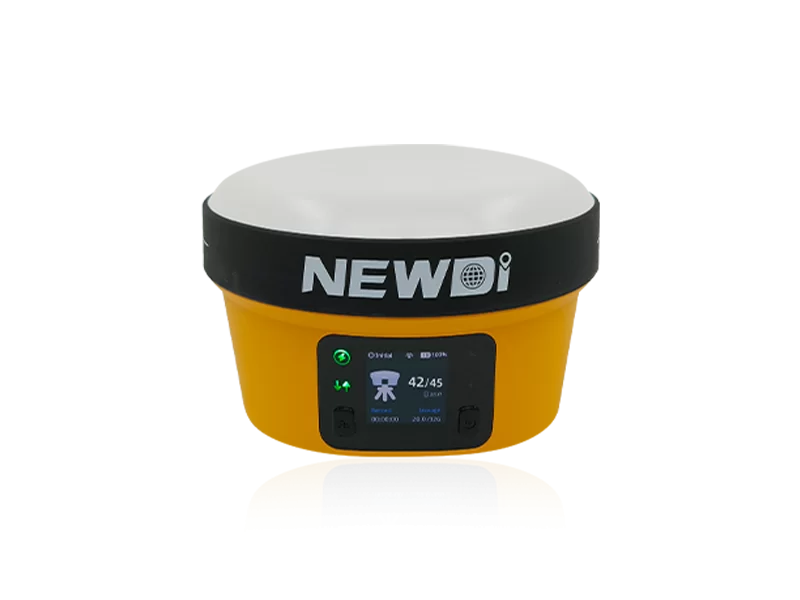
Between 2010 and 2020, the introduction of widespread RTK networks allowed for a transition toward GNSS-based workflows. The adoption of the gnss rtk receiver drastically reduced the time spent on baseline measurements, enabling rapid deployment for large-scale desert reclamation projects.

Recently, the integration of IoT and automated machinery has bridged the gap between surveying and execution, leading to the widespread implementation of guidance systems for precision farming and earthworks across the region.

Future Development Trends

AI-Driven Terrain Analysis

Future workflows will integrate AI to process raw data from surveying tools, automatically identifying anomalies in land contours without manual intervention.

Multi-Constellation Fusion

Moving beyond GPS, the trend is shifting toward the fusion of Galileo, GLONASS, and BeiDou to ensure uninterrupted connectivity in deep valleys.

Fully Autonomous Site Grading

The evolution of guidance technology will move from operator-assisted steering to fully autonomous machinery operating on pre-defined digital twin maps.

Industry Outlook and Strategic Projections

Predicting the next 5 years of measurement technology growth based on regional digital transformation trends.

Hyper-Local Correction Networks
Increasing density of base stations to provide sub-centimeter correction in urban canyons.
Edge Computing Integration
Real-time data processing on the device to eliminate latency in autonomous steering.
5G-Enabled RTK
Leveraging Israel's 5G infrastructure for ultra-low latency correction stream delivery.
Hybrid Sensor Fusion
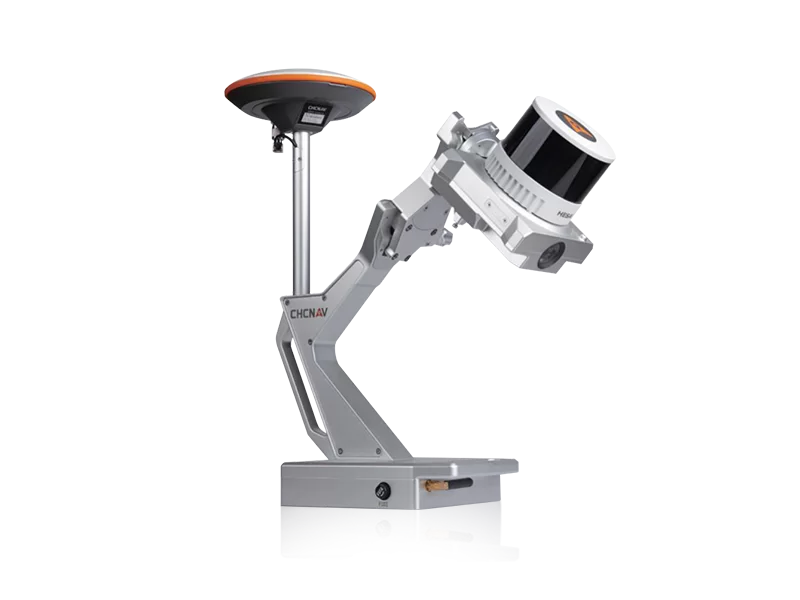
Combining GNSS with LiDAR and IMU for precision in signal-denied environments.

Industry Outlook

Based on Google search trends for "precision agriculture" and "smart city surveying" in the Middle East, there is a clear trajectory toward full automation. The demand for integrated surveying equipment is expected to grow as Israel focuses on sustainable urban growth and water-efficient farming.

The market will likely consolidate around platforms that offer interoperability between hardware brands, allowing a single software ecosystem to manage both a total station and a fleet of automated tractors.

Local Application Scenarios in Israel

Practical deployment of measurement technology across diverse Israeli sectors.

01. Negev Desert Reclamation

Using gps diferencial systems to map vast arid regions for sustainable agricultural development and groundwater management.

02. Tel Aviv Urban Redevelopment

Employing high-precision total station measurements to ensure structural integrity in high-density skyscraper construction zones.

03. Precision Viticulture in the Galilee

Integrating auto steer tractor technology to optimize vine spacing and pesticide application in hilly terrains.

04. National Infrastructure Monitoring

Utilizing a permanent gnss rtk receiver network to monitor tectonic movements and stability of critical bridges and tunnels.

05. Smart Irrigation Layouts

Applying advanced surveying equipment to design gravity-fed irrigation channels with millimeter precision to minimize water waste.

Brand Story

Global Development History of Shanghai Newland Navigation Technology Co., Ltd.

Foundational Innovation

Started with a mission to solve the "accuracy gap" in mid-range surveying, developing core algorithms for rapid signal acquisition.

Agricultural Breakthrough

Expanded into machine control, creating the first generation of robust auto-steering systems for diverse tractor brands.

Global Expansion

Established strategic partnerships across Asia and Europe, adapting hardware for extreme climates from deserts to tropics.

RTK Ecosystem Development

Launched a comprehensive cloud-based correction service to simplify the deployment of RTK receivers globally.

The Future of Precision

Focusing on the integration of AI and satellite technology to enable fully autonomous geospatial workflows.

Comprehensive Geospatial Portfolio for Israel

A complete suite of instruments designed for the challenging Israeli terrain and professional standards.

Local Technical FAQ for Israel

Solving common challenges in high-precision measurement and navigation.

How does the gnss rtk receiver perform in urban areas like Tel Aviv?

Our receivers use multi-frequency multi-constellation tracking to mitigate multipath effects, though for extreme urban canyons, we recommend combining them with a total station for absolute precision.

Can an auto steer tractor system be installed on older machinery?

Yes, our universal steering kits are designed to be retrofitted onto most hydraulic or electronic steering systems commonly used in Israeli agriculture.

What is the difference between a total station and RTK for boundary surveys?

A total station is superior for short-range, high-precision line-of-sight work, while RTK is far more efficient for large-area mapping and rapid data collection across varying terrains.

Is gps diferencial equipment necessary for Negev desert projects?

Absolutely. Due to the vast distances and lack of physical landmarks, differential GPS is essential to maintain centimeter-level accuracy over large sites.

How do I maintain my surveying equipment in dusty desert environments?

We recommend using IP67-rated hardware and performing weekly cleaning of optical lenses and sensor interfaces to prevent abrasion from fine desert sand.

Which subscription plan is best for RTK corrections in Israel?

Depending on your project scale, we offer both NTRIP-based network subscriptions and local base-rover setups for remote areas with limited cellular coverage.

Expert Guidance for Your Next Project

Get in touch with our technical team to optimize your surveying and navigation workflows in Israel.

Contact Us Now