

Shanghai Newdi Navigation Technology Co.,Ltd

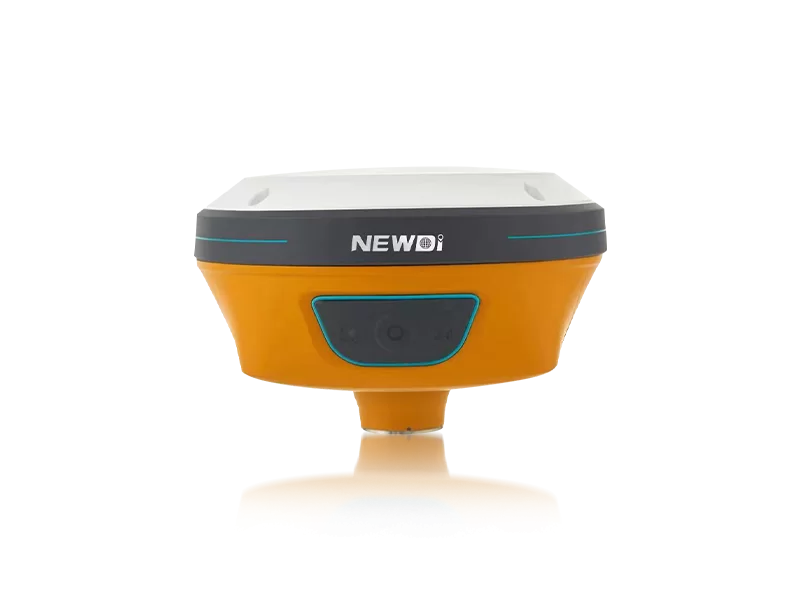
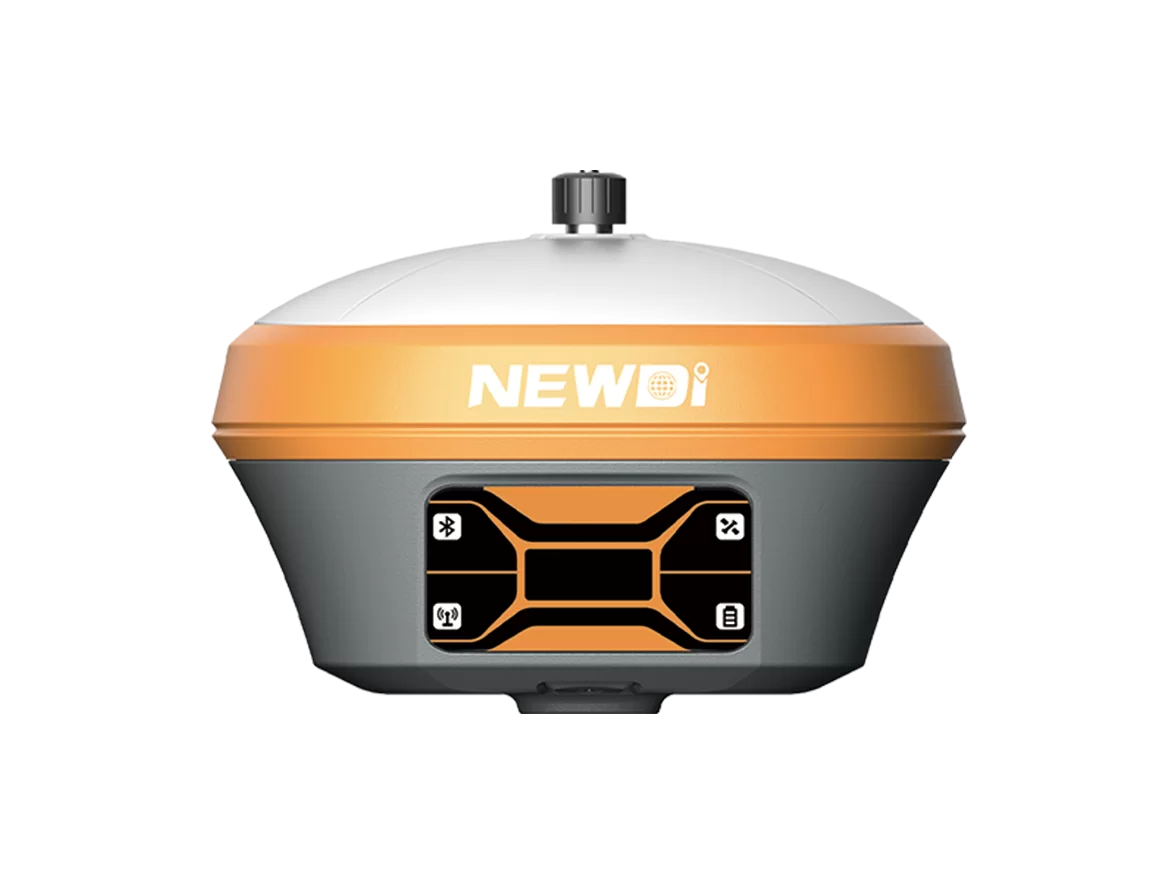
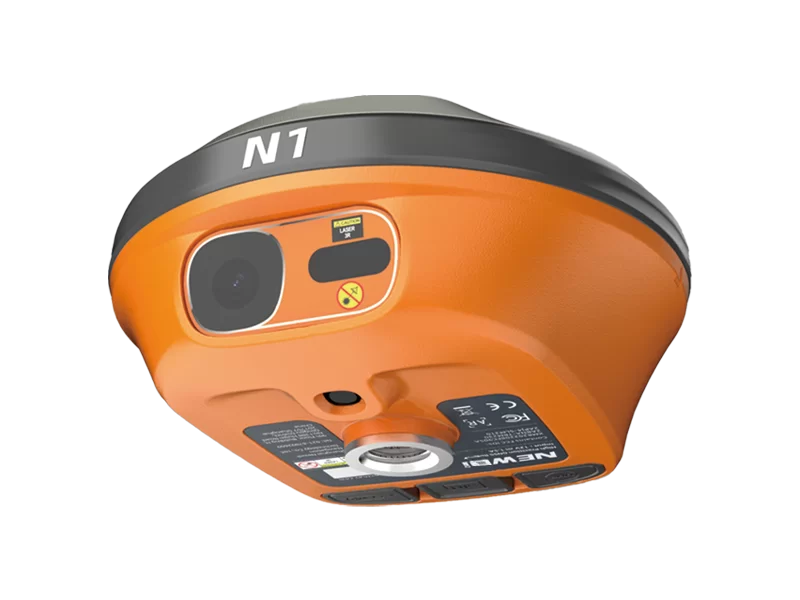
Precision GNSS RTK Receiver Solutions for Myanmar's Infrastructure

Empowering Myanmar's construction and agriculture sectors with high-precision geospatial technology for sustainable development.

Precision GNSS RTK Receiver Solutions for Myanmar's Infrastructure

Our advanced geospatial toolkit provides unmatched accuracy for surveying, mapping, and precision farming across Myanmar's diverse terrains.

Current State of Surveying in Myanmar

Navigating the transition from legacy methods to digital precision in Southeast Asia.

In Myanmar, the adoption of modern surveying equipment is currently accelerating due to large-scale infrastructure projects and the modernization of the agricultural heartlands in the Ayeyarwady Delta. However, extreme humidity and seasonal monsoons often challenge the durability of electronic instruments.

Many local firms still rely on fragmented systems, creating a critical need for integrated gps diferencial networks to eliminate cumulative errors in land titling and urban planning. The shift toward digital cadastral mapping is driving the demand for more robust, weather-resistant hardware.

Furthermore, the agricultural sector is seeing a gradual move away from manual steering. The integration of high-precision positioning is becoming essential to optimize seed distribution and fertilizer use in the face of rising input costs and labor shortages in rural Myanmar.
Evolution of Measurement Technology in Myanmar

From optical measurements to real-time satellite kinematics.

Market Development History

Prior to 2010, the Myanmar market was dominated by traditional optical tools. The total station became the gold standard for construction during the initial urban expansion of Yangon and Mandalay, providing the first leap in digital distance measurement.

Between 2015 and 2020, the introduction of GNSS technology revolutionized the field. The transition from static GPS to real-time kinematic (RTK) systems allowed surveyors to cover vast jungle and mountainous regions in the Shan State with significantly reduced manpower.

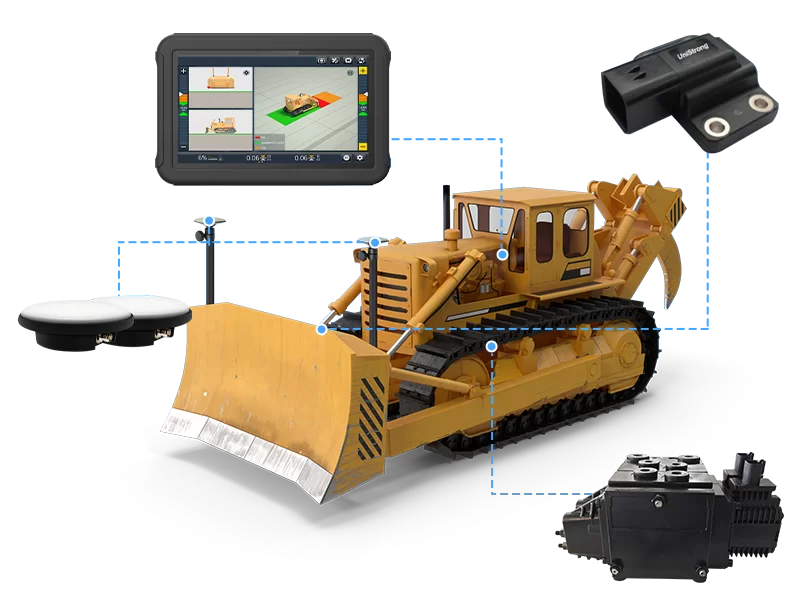
Entering the 2020s, the focus shifted toward automation. The synergy between satellite positioning and machinery led to the introduction of the auto steer tractor, transforming precision agriculture from a luxury to a productivity necessity.

Future Development Trends

Multi-Constellation Integration

Future systems will rely on seamless integration of GPS, GLONASS, Galileo, and BeiDou to ensure signal stability in Myanmar's dense forest canopies.

AI-Driven Terrain Modeling

Combining RTK data with AI will allow for real-time 3D terrain analysis, optimizing road construction in landslide-prone hilly regions.

Cloud-Based Collaborative Mapping

A shift toward cloud-based data management will enable instant synchronization between field teams in remote areas and central offices in Yangon.

Future Outlook for Precision Instruments

Predicting the next wave of geospatial innovation in Myanmar.

Autonomous Farming
Expanding the use of autonomous steering to reduce labor costs in rice and pulse farming.
IoT Telemetry
Integrating real-time RTK data with IoT sensors for smart city monitoring in Yangon.
Satellite Convergence
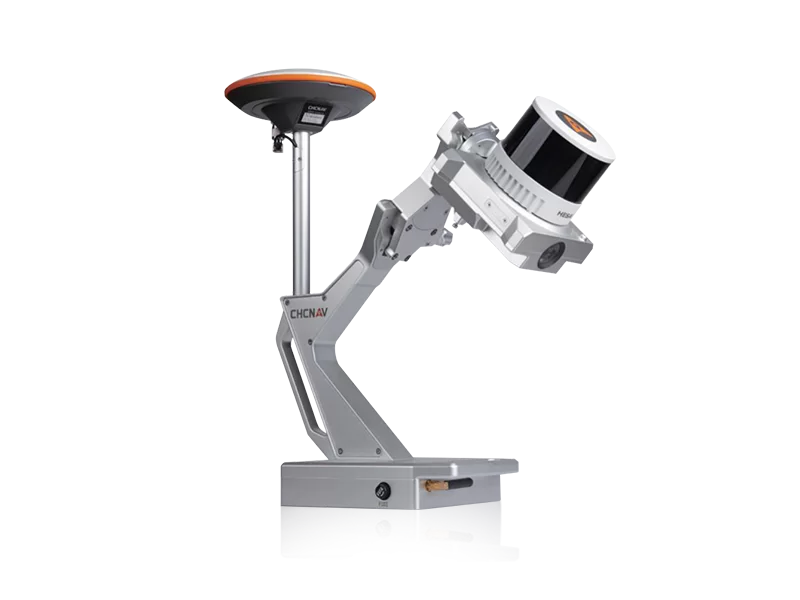
Merging GNSS data with LiDAR for rapid forest cover assessment in Myanmar's highlands.
Centimeter Accuracy
Widespread adoption of RTK networks for precise urban land boundaries.

Industry Outlook

The Myanmar market is poised for a surge in "Smart Construction" where traditional surveying equipment is replaced by integrated digital workflows. This transition is driven by the need for efficiency in government-led infrastructure corridors.

Over the next 3-5 years, we expect a significant increase in search volume for autonomous farming tools, as Myanmar aims to modernize its agricultural output to compete in regional ASEAN markets.

Localized Application Scenarios in Myanmar

Applying precision measurement to real-world Myanmar challenges.

01. Ayeyarwady Delta Precision Farming

Deploying auto steer tractor systems to manage large paddy fields, reducing overlap and maximizing crop yield in the wet zones.

02. Yangon Urban Redevelopment

Utilizing a total station for high-precision boundary setting and building layout in the densely populated downtown area.

03. Shan State Mining Survey

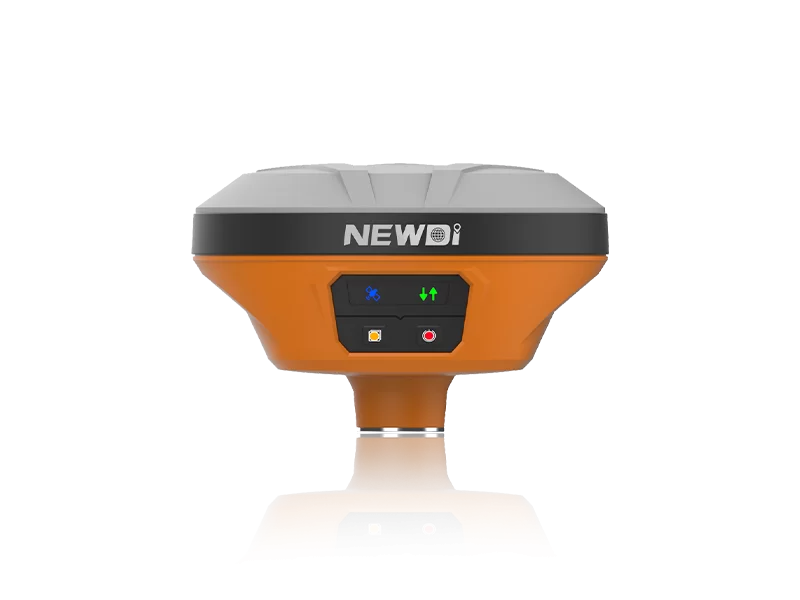
Implementing gnss rtk receiver units to map mineral deposits and volume calculations in rugged, mountainous terrains.

04. National Highway Expansion

Using gps diferencial corrections to ensure road alignment accuracy across long-distance corridors connecting major cities.

05. Coastal Flood Mapping

Integrating specialized surveying equipment to create detailed elevation models for flood prevention in coastal Rakhine State.

Brand Story

Global Development Journey of Shanghai NCT Nav Navigation Technology Co., Ltd.

Foundation of Precision

Established with a vision to democratize high-precision GNSS technology for global industrial applications.

Technological Breakthrough

Developing proprietary RTK algorithms to provide centimeter-level accuracy in challenging environments.

Global Expansion

Entering the Southeast Asian market, including Myanmar, to support regional infrastructure and agriculture.

Agricultural Innovation

Launching advanced auto-steering solutions to solve the pain point of labor inefficiency in farming.

Sustainable Future

Committing to green technology and smarter surveying to build a sustainable world for next generations.

Comprehensive Precision Portfolio for Myanmar

A full range of instruments designed for the unique environmental conditions of Myanmar.

Common Questions in Myanmar's Surveying Sector

Expert answers to the most frequent technical inquiries.

How does a GNSS RTK receiver handle signal loss in Myanmar's forests?

Our receivers utilize multi-constellation tracking and advanced IMU tilt compensation to maintain accuracy even under partial canopy cover.

Can an auto steer tractor be installed on older machinery in rural areas?

Yes, our universal steering kits are designed to be compatible with a wide variety of tractor brands and models used in Myanmar.

What is the difference between a total station and GNSS equipment for urban sites?

A total station is superior for short-range, high-precision layouts where satellite signals are blocked by buildings, while GNSS is better for large-scale mapping.

How does gps diferencial improve land boundary accuracy?

By using a base station to provide real-time corrections to the rover, differential GPS eliminates atmospheric errors, providing centimeter-level precision.

What surveying equipment is best for monsoon weather conditions?

We recommend instruments with IP67 or IP68 ratings, ensuring they are dust-tight and waterproof during heavy rains in Myanmar.

How often should RTK equipment be calibrated for Myanmar projects?

Annual professional calibration is recommended, though daily site checks against known benchmarks are essential for quality assurance.

Ready to Upgrade Your Precision?

Contact our experts today for customized surveying and navigation solutions tailored for Myanmar.

Contact Us Now