
Shanghai Newdi Navigation Technology Co.,Ltd

Precision GNSS RTK Receiver Solutions for Laos Infrastructure

Empowering Lao PDR's land management and agricultural modernization with high-precision geospatial technology and automated guidance.

Precision GNSS RTK Receiver Solutions for Laos Infrastructure

Providing the most reliable high-precision positioning tools to overcome the challenging terrains of Laos, from mountainous highlands to the Mekong river basin.

The Current State of Geospatial Engineering in Laos

Analyzing the adoption of precision measurement in Southeast Asia's land-locked hub.

In Laos, the demand for advanced surveying equipment is surging due to massive hydropower projects and the expansion of the railway network. However, the dense tropical rainforests and rugged mountainous topography often interfere with satellite signals, making high-sensitivity receivers essential for project accuracy.

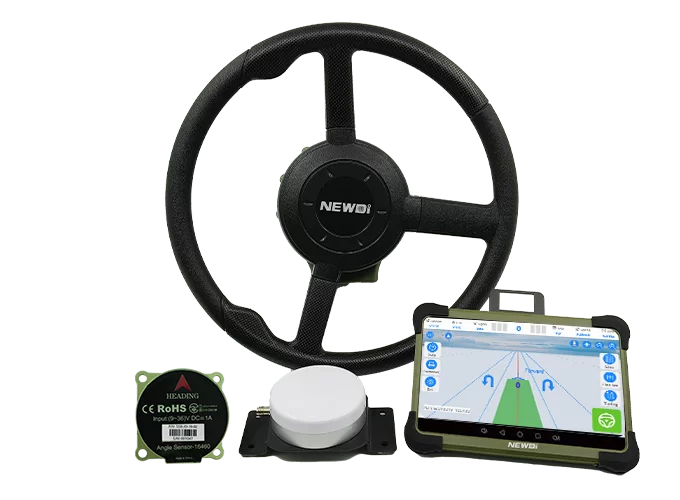
The agricultural sector, primarily focused on rice and rubber, is beginning to shift from traditional manual methods to precision farming. The introduction of auto steer tractor systems is solving the labor shortage problem in rural provinces, ensuring optimal planting patterns despite the challenging soil conditions.

Currently, there is a critical transition from legacy optical tools to integrated digital workflows. While the total station remains a staple for urban construction in Vientiane, the industry is rapidly adopting satellite-based corrections to speed up large-scale land boundary demarcation.

Evolution of Measurement Technology in Laos

From traditional triangulation to real-time kinematic positioning.

Market Development History

From 2000 to 2010, the Lao market relied heavily on basic optical tools and manual surveying. Most land records were created using traditional chains and simple levels, leading to significant discrepancies in rural land titles.

Between 2011 and 2020, the "Digital Shift" occurred. The adoption of the total station became standard for government infrastructure projects, introducing electronic data collection and reducing human error in distance measurement.

From 2021 to the present, the era of GNSS dominance has arrived. The integration of gps diferencial technology has allowed surveyors to achieve centimeter-level accuracy in real-time, fundamentally changing how the Mekong valley is mapped.

Future Development Trends

Multi-Constellation Integration

Future systems will move beyond GPS to integrate BeiDou, GLONASS, and Galileo simultaneously to ensure signal stability under Laos' thick forest canopies.

Autonomous Agri-Tech

The shift toward fully autonomous machinery will accelerate, making the auto steer tractor a standard tool for sustainable commercial farming.

Cloud-Based Geospatial Data

Real-time data syncing between field receivers and central government databases will eliminate the need for manual data transport from remote sites.

Industry Trends and Future Outlook

Predicting the trajectory of measurement and guidance technology in the region.

RTK Network Expansion
The establishment of more CORS stations across Laos to provide seamless correction data for GNSS receivers.
Smart Agri-Guidance
Integration of AI with steering systems to optimize seed placement and fertilizer usage in Lao farmlands.
Hybrid Surveying
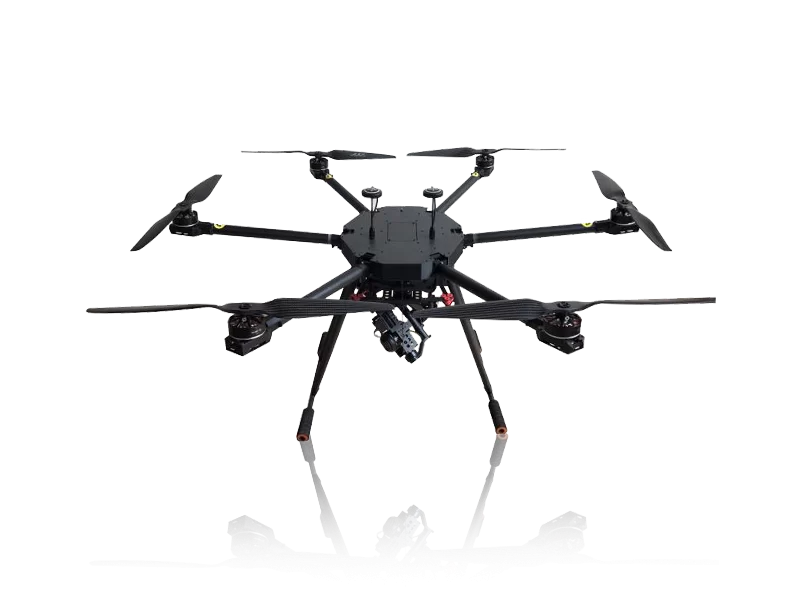
Combining LiDAR and GNSS to create rapid 3D maps of mountainous regions without manual point-by-point measurement.
Real-time IoT Sync
Direct transmission of field data to cloud platforms, reducing processing time from days to seconds.

Industry Outlook

Over the next 3-5 years, Google search trends indicate a growing interest in "precision agriculture" and "automated land surveying" within Southeast Asia. Laos is expected to follow this curve as it modernizes its agrarian economy.

The synergy between high-precision surveying equipment and satellite correction networks will lower the cost of infrastructure maintenance and increase the yield per hectare for Lao farmers.

Localized Application Scenarios in Laos

Real-world implementations of precision technology in the Lao environment.

01. Mekong River Basin Boundary Mapping

Utilizing gps diferencial systems to precisely demarcate riverbank boundaries and flood zones, ensuring legal land ownership and disaster prevention.

02. High-Plateau Rubber Plantation Management

Implementing auto steer tractor technology in the Bolaven Plateau to ensure perfectly aligned planting rows, maximizing land utilization and harvest efficiency.

03. Hydropower Dam Site Engineering

Employing the total station and GNSS together for the millimetric precision required in dam wall construction and spillway alignment.

04. Vientiane Urban Expansion Planning

Using high-precision surveying equipment to develop new urban grids and road networks, reducing land disputes during city expansion.

05. Remote Mountainous Road Surveying

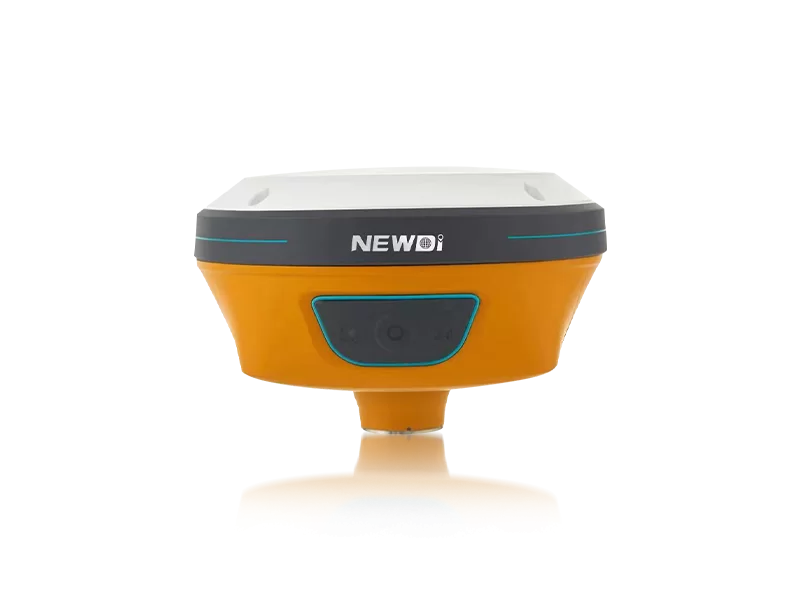
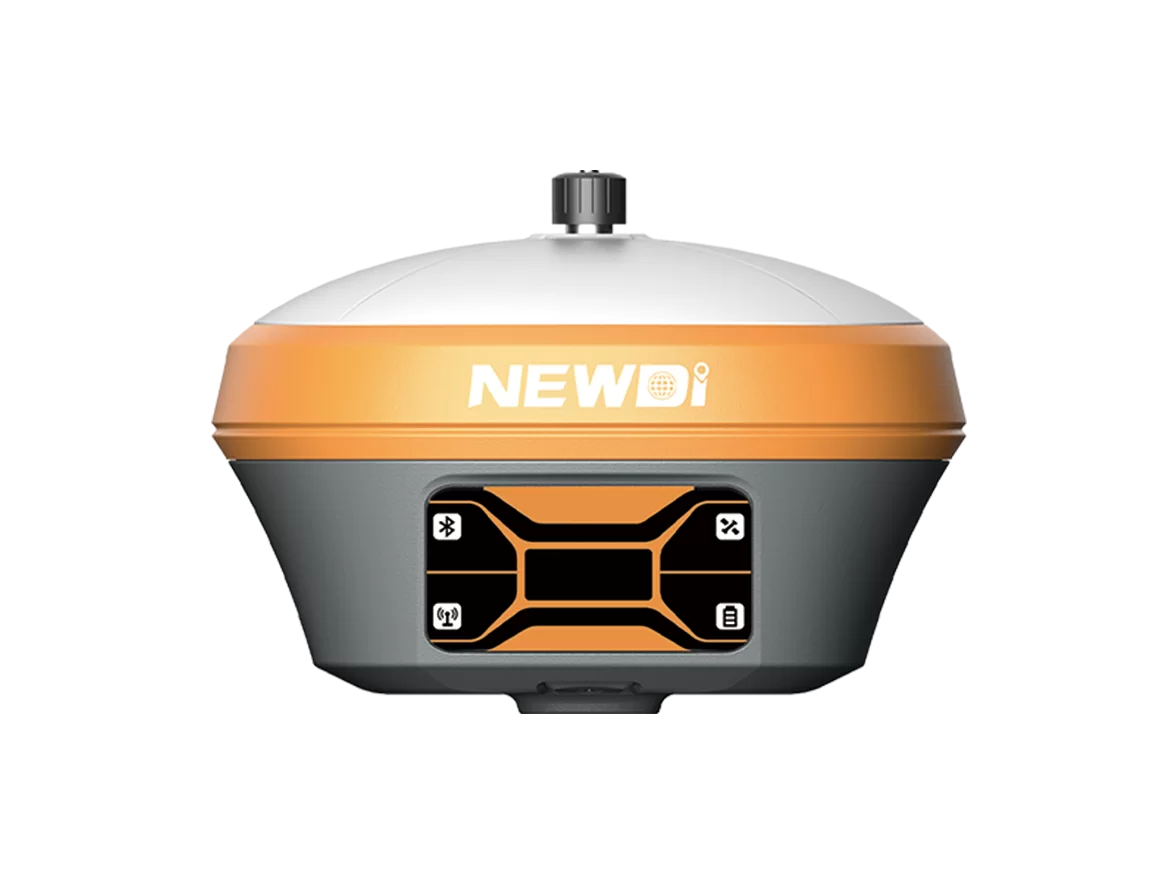
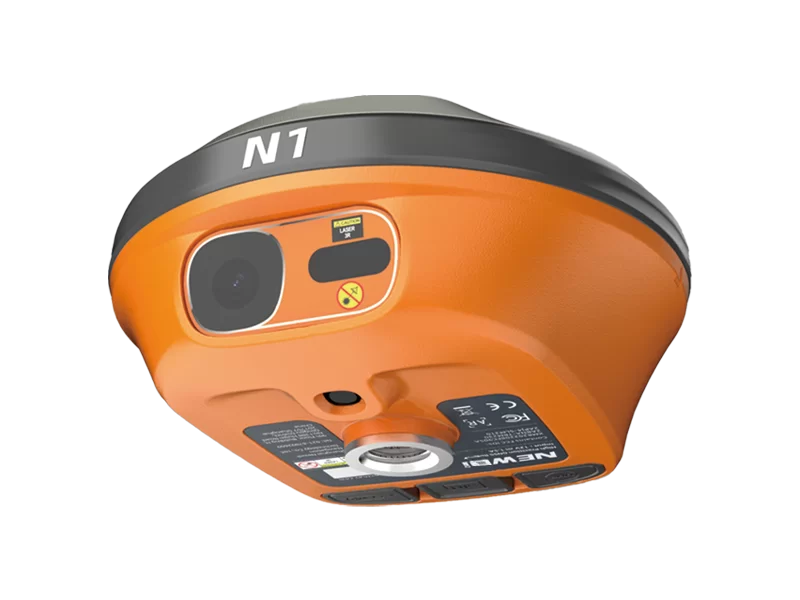
Deploying lightweight gnss rtk receiver units to map new trade routes through rugged terrain where traditional markers are impossible to place.

Brand Story

Global Development Journey of Shanghai NCT Navigation Technology Co., Ltd.

Founding Vision

Established to bridge the gap between complex satellite data and practical field application, focusing on high-precision GNSS modules.

Technological Breakthrough

Developed proprietary RTK algorithms that significantly reduced signal acquisition time in challenging environments.

Global Expansion

Expanded into Southeast Asia, tailoring hardware for high-humidity and high-temperature tropical climates.

Agricultural Revolution

Launched the integrated auto-steering series to empower farmers worldwide with autonomous guidance systems.

Future Commitment

Dedicated to providing accessible, high-precision positioning for every engineer and farmer in developing nations.

Comprehensive Positioning Portfolio for Laos

Integrated hardware and software solutions for every measurement need.

Frequently Asked Questions in Laos

Expert answers to common technical challenges in the local industry.

How does a GNSS RTK receiver perform in the forested areas of Laos?

Our receivers use multi-frequency and multi-constellation tracking to maintain a fix even under partial canopy cover, although open sky is always recommended for maximum precision.

Can an auto steer tractor be installed on older machinery models used in Lao farms?

Yes, our steering systems are designed for universal compatibility, utilizing a bolt-on motor that integrates with most mechanical steering setups.

What is the difference between a total station and GPS differential for land mapping?

A total station is superior for short-range, high-precision urban work, while GPS differential is far more efficient for large-scale rural land surveys.

Which surveying equipment is best for the humid climate of the Mekong valley?

We recommend IP67 or IP68 rated equipment that is dust-proof and waterproof to withstand the intense monsoon seasons in Laos.

How often does the GNSS RTK receiver need calibration?

While the system calibrates automatically via RTK corrections, we recommend a baseline check every six months to ensure absolute accuracy.

Is professional training required to operate an auto steer tractor?

Our systems are designed with intuitive interfaces, but basic training on setting boundaries and calibration is recommended for optimal results.

Ready to Modernize Your Surveying Workflow?

Contact our expert team to find the perfect high-precision solution tailored for the unique geography of Laos.

Contact Us Now