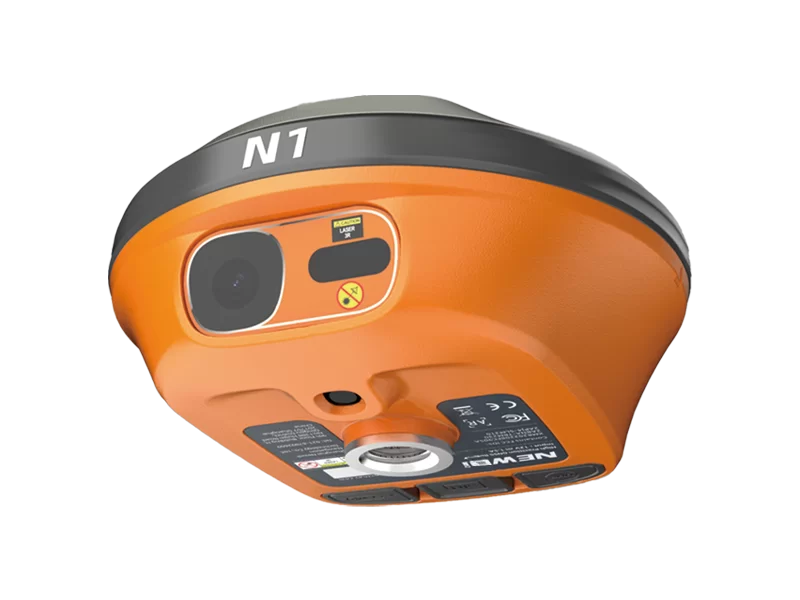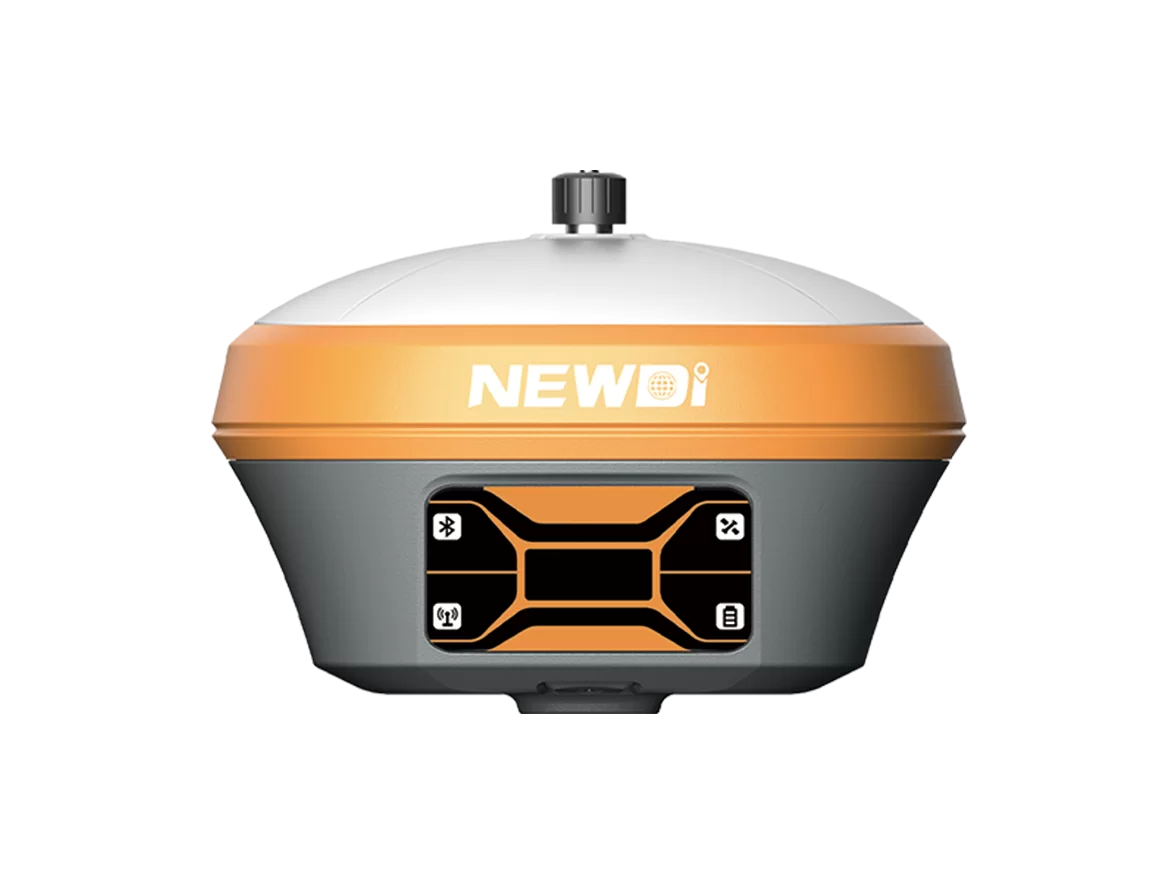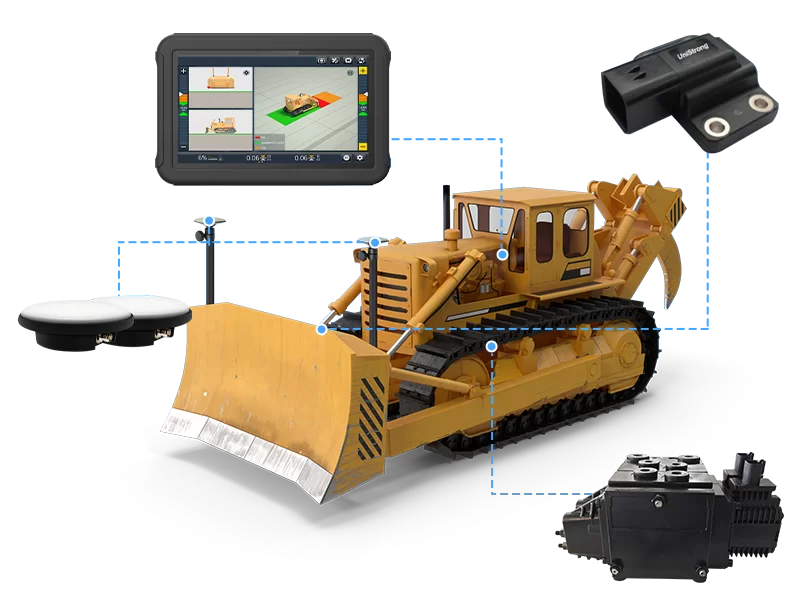

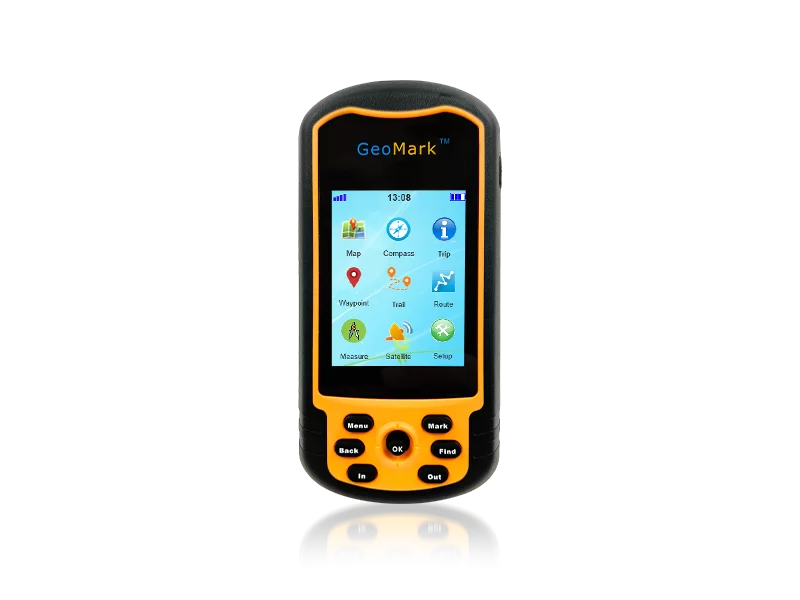


Mongolia's unique landscape, characterized by vast open plains and extreme temperature fluctuations, places immense pressure on surveying equipment. Traditional measurement methods often struggle with the sheer scale of the territory, necessitating a shift toward satellite-based positioning.
In the mining and construction sectors, there is a growing demand for gps diferencial systems to ensure centimeter-level accuracy in remote areas where physical benchmarks are scarce. The reliance on robust, weather-resistant hardware is critical for operational continuity during harsh winters.
Furthermore, the agricultural sector is transitioning from manual labor to precision farming. The adoption of high-precision GNSS technology is becoming essential for optimizing land use and improving crop yields across the Mongolian steppe.