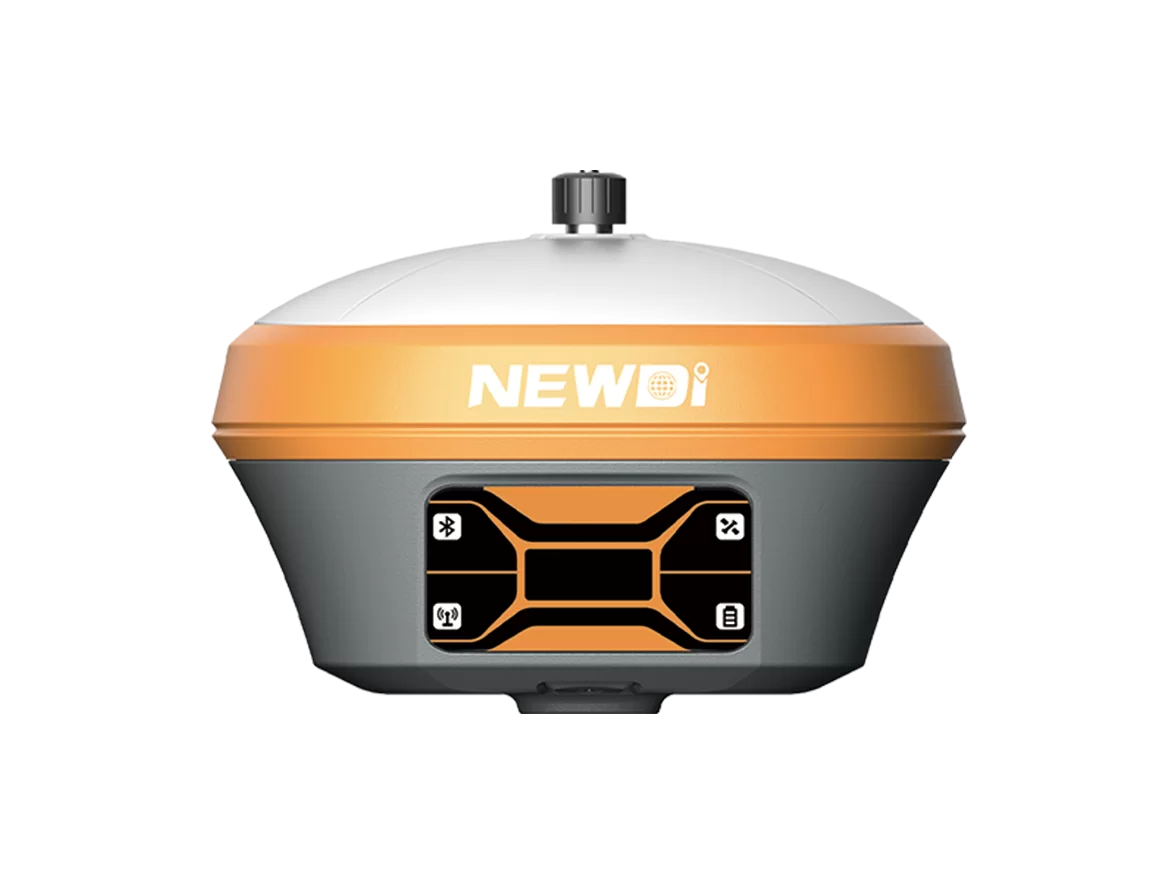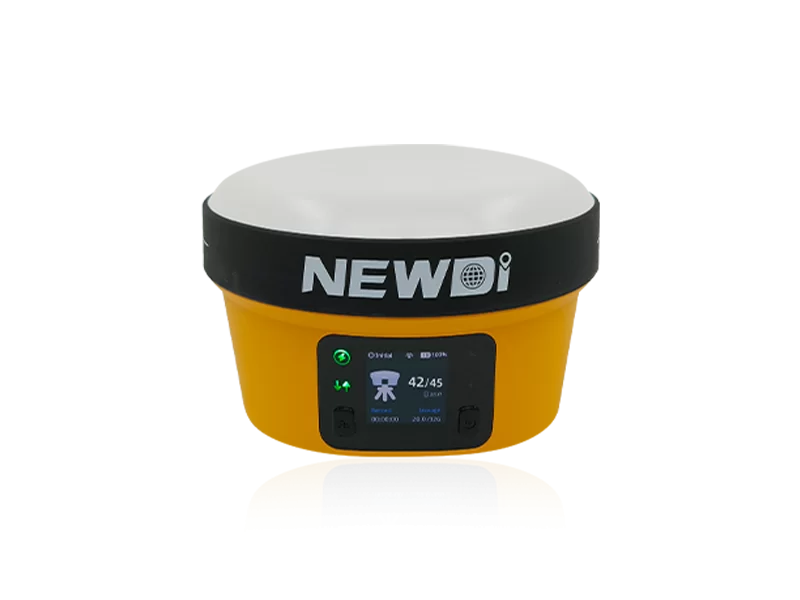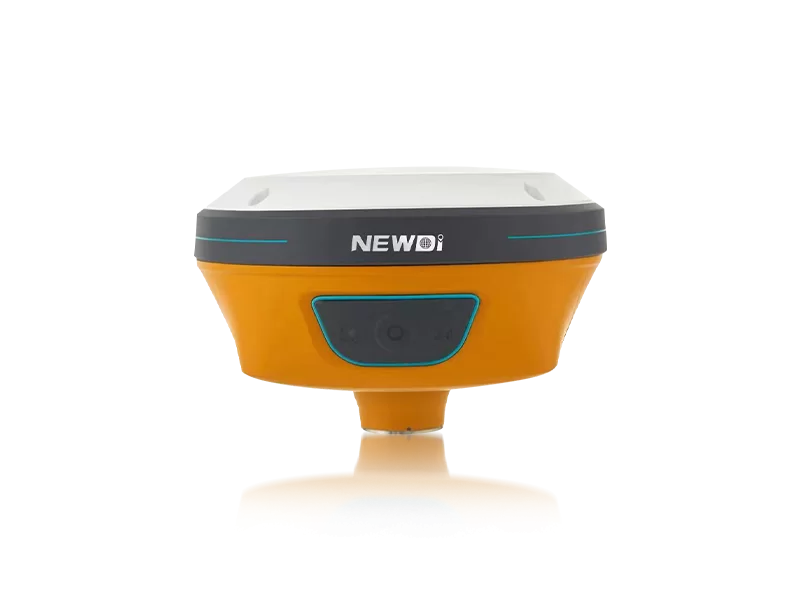

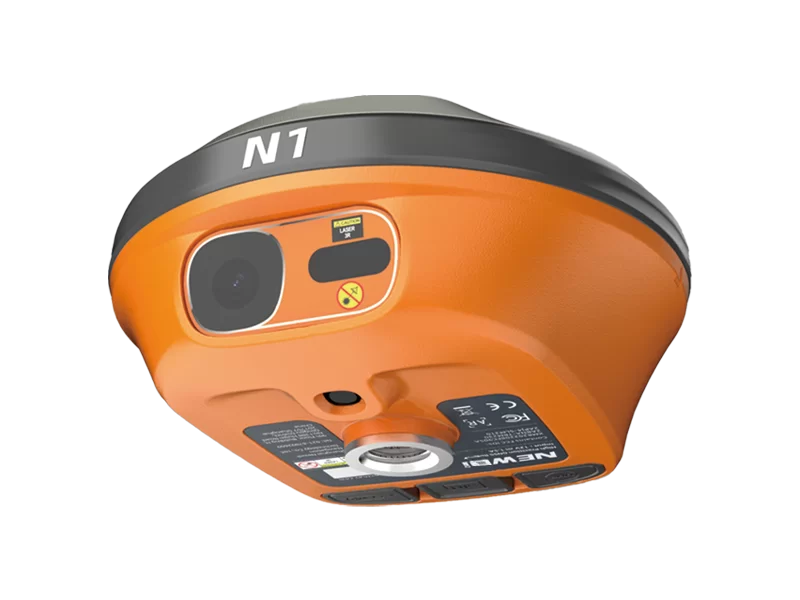


The Central African Republic faces significant challenges in infrastructure mapping due to dense tropical rainforests and limited access to stable terrestrial reference frames. Traditionally, land boundary disputes and road planning have relied on rudimentary tools, creating an urgent need for advanced gps diferencial systems to establish accurate geodetic networks.
In the agricultural sector, the reliance on manual labor remains high. However, the introduction of auto steer tractor technology is beginning to emerge as a solution to optimize land use in the savanna regions, reducing overlap and fuel consumption in an economy sensitive to input costs.
Despite the logistical hurdles, the demand for a reliable total station has increased for urban development in Bangui, where precision is required for vertical construction and municipal utility mapping to support the country's reconstruction efforts.