

Shanghai Newdi Navigation Technology Co.,Ltd

Advanced GNSS RTK Receiver Solutions for Tanzania's Infrastructure

Precision measurement and automated guidance systems tailored for the diverse terrain and expanding agricultural landscape of Tanzania.

Advanced GNSS RTK Receiver Solutions for Tanzania's Infrastructure

Empowering Tanzanian engineers and farmers with high-precision surveying equipment to drive national development and agricultural productivity.

Current State of Precision Measurement in Tanzania

Analyzing the intersection of geography, climate, and technological adoption in East Africa.

Tanzania's vast landscape, ranging from the coastal plains of Dar es Salaam to the highlands of Arusha, presents unique challenges for traditional surveying. The reliance on legacy tools often leads to inefficiencies in large-scale land demarcation and infrastructure projects, where humid tropical climates can affect the durability of non-industrial grade equipment.

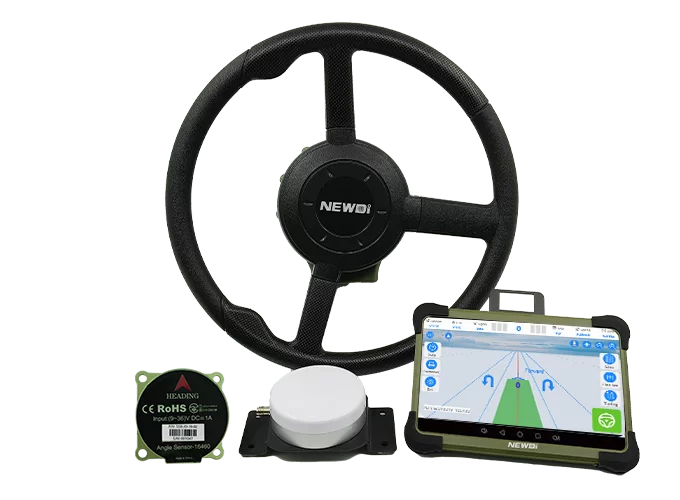
In the agricultural sector, there is a growing shift toward modernization. However, the adoption of an auto steer tractor system remains limited to large estates, while small-to-medium holders still struggle with overlapping passes and wasted inputs due to a lack of precise guidance.

The construction of the Standard Gauge Railway (SGR) and urban expansion in Dodoma have accelerated the demand for high-accuracy total station units, pushing the local market to move beyond basic GPS toward centimeter-level precision tools.
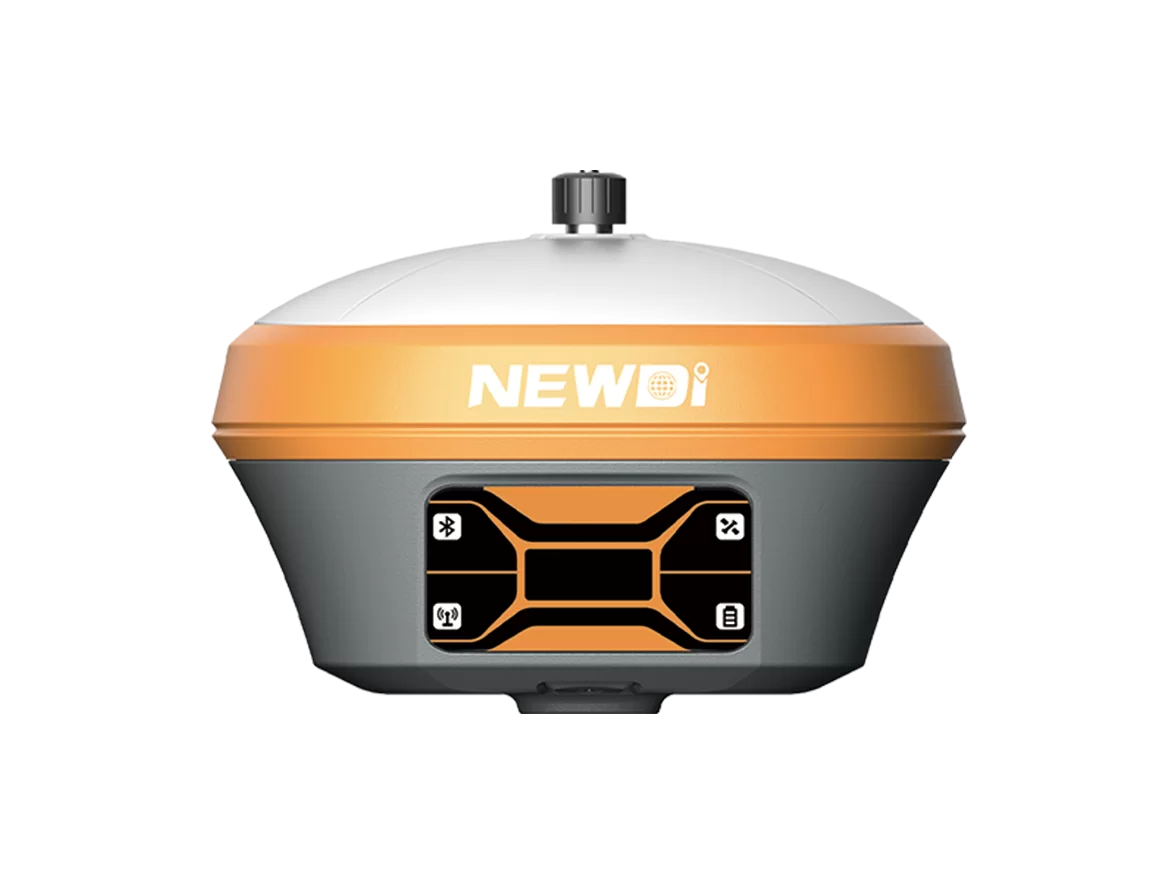
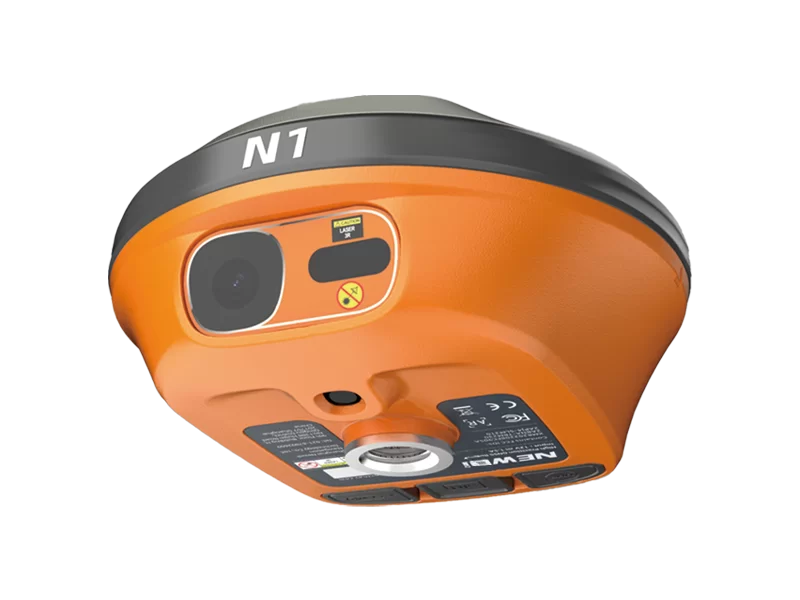
Evolution of Surveying Technology in Tanzania

From optical measurements to real-time satellite kinematics.

Market Development History

During the late 20th century, the Tanzanian surveying market relied heavily on mechanical theodolites and basic optical levels. These traditional methods were time-consuming and prone to human error, especially in the rugged terrain of the Rift Valley.

Around 2010, the introduction of early gps diferencial systems revolutionized cadastral mapping. This period marked the transition from static measurements to differential corrections, significantly reducing the time required for land boundary verification.

From 2018 onwards, the integration of RTK (Real-Time Kinematic) technology allowed for instantaneous precision. This shift enabled real-time data collection, which is now critical for Tanzania's rapid urban planning and large-scale irrigation projects.

Future Development Trends

Integration of IoT and Cloud Mapping

We predict a surge in cloud-based data management where surveying data is uploaded instantly via 4G/5G networks for remote verification by government agencies.

Autonomous Agricultural Machinery

The trend is moving toward fully autonomous farming. The synergy between GNSS and steering actuators will optimize seed placement and fertilizer application across the Tanzanian plains.

Multi-Constellation Reliability

Future tools will leverage Beidou, Galileo, and GPS simultaneously to ensure uninterrupted signals even in the dense forests of the Southern Highlands.

Industry Trends and Future Outlook

Predicting the trajectory of precision instrumentation in the East African market.

RTK Network Expansion
Establishment of more CORS stations across Tanzania to provide seamless corrections for RTK receivers.
Smart Farming Integration
Increasing adoption of guidance systems to reduce fuel costs and increase crop yield in the Southern Highlands.
Hybrid Surveying Workflows
Combining drone photogrammetry with ground-based GNSS for rapid topographic mapping.
Precision Infrastructure
High-accuracy monitoring for bridge and dam stability in Tanzanian water management projects.

Industry Outlook

According to search trends and regional development goals, the demand for high-precision instrumentation in Tanzania is expected to grow by 15% annually. The focus is shifting from simple ownership of equipment to the implementation of integrated "Smart Ecosystems" where data flows seamlessly from the field to the office.

We anticipate that the next 3-5 years will see a democratization of precision tools, making high-end GNSS technology accessible to mid-sized construction firms, thereby accelerating the quality of urban development across Tanzania.

Localized Applications in Tanzania

Practical implementation of precision tools in the Tanzanian environment.

1. SGR Railway Alignment and Monitoring

Utilizing total station and GNSS systems to ensure millimeter-level accuracy for the Standard Gauge Railway, overcoming the challenges of varied soil conditions.

2. Large-scale Maize and Rice Farming

Deploying auto steer tractor technology in the Morogoro region to maximize planting efficiency and reduce fuel consumption during the rainy season.

3. Urban Land Titling in Dodoma

Applying high-precision surveying equipment to resolve boundary disputes and accelerate the digital land registry process in the national capital.

4. Mining Site Topography in Geita

Using gps diferencial techniques for precise volume calculations of ore extraction and pit monitoring in the gold mining sector.

5. Hydroelectric Dam Construction

Implementing RTK receivers for the precise positioning of concrete pours and structural alignments in new energy projects to ensure long-term stability.

Brand Story

Global Development History of Shanghai NCT Navigation Technology Co., Ltd.

Founding Vision

Established with a mission to bridge the gap between complex satellite data and practical field application, focusing on reliability in extreme environments.

Technological Breakthrough

Developed proprietary algorithms that improved RTK convergence speeds, allowing users to achieve fixed solutions faster in obstructed terrains.

Global Expansion

Expanded operations into East Africa, recognizing Tanzania's potential for infrastructure growth and agricultural modernization.

Industry Certification

Achieved international standards for precision instrumentation, ensuring our equipment meets the rigorous demands of global engineering projects.

Future Commitment

Committed to empowering the Global South with affordable, high-precision navigation tools to foster sustainable economic development.

Complete Precision Product Portfolio for Tanzania

A comprehensive suite of instruments designed for the Tanzanian market.

Frequently Asked Questions in Tanzania

Expert answers to common technical and logistical queries.

How does a GNSS RTK receiver handle signal loss in remote Tanzanian forests?

Our receivers utilize advanced inertial navigation (IMU) to maintain accuracy during brief signal interruptions, ensuring continuous data collection even under heavy canopy.

Can auto steer tractor systems be installed on older tractor models used in Africa?

Yes, our systems are designed for universal compatibility, offering both electric and hydraulic steering options to retrofit older machinery commonly found in Tanzania.

What is the difference between a total station and GPS differential for urban mapping?

A total station is ideal for short-range, high-precision measurements without satellite needs, while GPS differential is better for large-scale coordinates and regional mapping.

Which surveying equipment is most durable for the humid climate of Dar es Salaam?

We recommend equipment with IP67 or IP68 ratings, which provide total protection against dust and water immersion, essential for the Tanzanian coast.

How often should GNSS equipment be calibrated for Tanzanian land surveys?

While GNSS is self-correcting via RTK, we recommend a semi-annual verification against known local benchmarks to ensure zero drift in your project data.

Do I need a local base station for RTK receivers in rural Tanzania?

If NTRIP networks are unavailable in your specific rural area, using a local base-rover pair is the most reliable way to achieve centimeter-level precision.

Ready to Elevate Your Precision?

Contact our technical experts for customized surveying and guidance solutions across Tanzania.

Contact Us Now