
Shanghai Newdi Navigation Technology Co.,Ltd

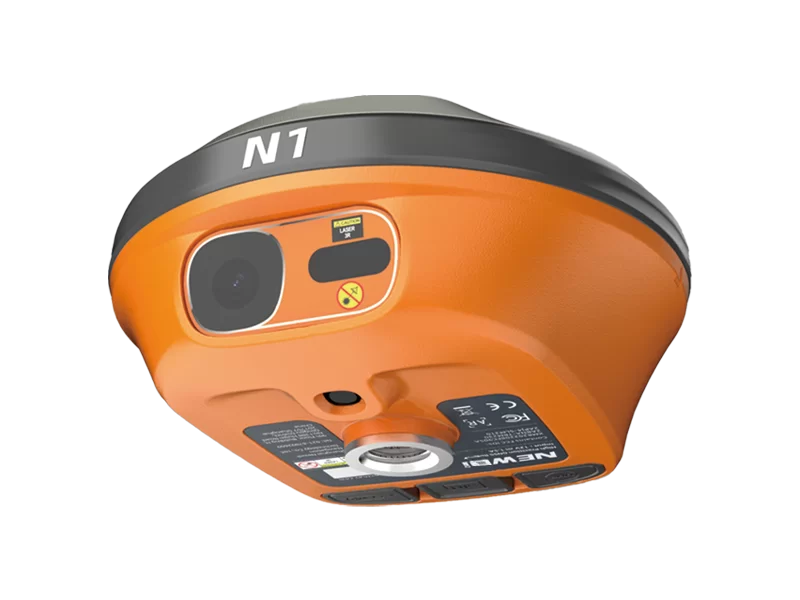
Precision gnss rtk receiver Solutions for Zimbabwe's Infrastructure

Empowering Zimbabwean surveying and agriculture with high-precision geospatial technology and automated guidance systems.

Precision gnss rtk receiver Solutions for Zimbabwe's Infrastructure

Integrating world-class surveying equipment to optimize land management, mining, and commercial farming across Zimbabwe.

Geospatial Surveying Landscape in Zimbabwe

Analyzing the intersection of challenging terrain and technological adoption in Southern Africa.

Zimbabwe's surveying sector is currently navigating a transition from legacy optical methods to satellite-based precision. With a diverse landscape ranging from the Highveld's plateau to the Lowveld's plains, the demand for robust total station units remains high for boundary demarcation and construction projects in urban centers like Harare and Bulawayo.

In the agricultural sector, the move toward "Climate-Smart Agriculture" is driving the adoption of an auto steer tractor system to combat soil erosion and improve nutrient application efficiency. The volatility of weather patterns in the region necessitates precise planting and tillage to maximize crop yields.

However, the industry faces challenges such as intermittent connectivity in remote mining areas and the high cost of importing high-end gps diferencial hardware, creating a gap between traditional manual measurements and modern automated workflows.

Evolution of Precision Measurement in Zimbabwe

From theodolites to real-time kinematic corrections: A journey of accuracy.

Market Development History

Historically, Zimbabwean surveying relied heavily on mechanical theodolites and optical levels throughout the late 20th century. These tools were sufficient for basic land tenure but lacked the speed required for large-scale infrastructure projects.

Around 2010, the introduction of digital total stations revolutionized urban planning, allowing for faster data collection. However, the real shift occurred with the proliferation of GNSS networks, which reduced the reliance on physical benchmarks across the rugged Zimbabwean terrain.

By 2020, the integration of RTK technology enabled centimeter-level accuracy in real-time, shifting the focus from mere measurement to active guidance in both civil engineering and large-scale commercial maize and tobacco farming.

Future Development Trends

Integration of Multi-Constellation GNSS

Expect a shift towards receivers that simultaneously utilize GPS, GLONASS, Galileo, and BeiDou to ensure signal stability in the dense vegetation of the Eastern Highlands.

Autonomous Agricultural Fleet Management

The evolution of the auto steer tractor will move toward full autonomy, integrating soil sensors with satellite guidance to reduce input waste.

Cloud-Based Geospatial Collaboration

Transitioning from local data storage to cloud-based GIS platforms, allowing Zimbabwean engineers to share survey data instantaneously across different provinces.

Strategic Outlook for Measurement Technology

Predicting the trajectory of surveying and guidance instruments in the Southern African region.

RTK Network Expansion
Increased deployment of CORS stations to provide seamless corrections for GNSS receivers nationwide.
Precision Ag-Tech
Integrating auto-steering with Variable Rate Technology (VRT) for sustainable farming.
Hybrid Measurement
Combining GNSS and traditional optical data for complex underground mining surveys.
Real-time GIS Integration
Direct streaming of field data to city planning offices to eliminate manual data entry.

Industry Outlook

Based on search trends for "precision farming" and "GNSS accuracy" in Africa, Zimbabwe is poised for a surge in the adoption of low-cost, high-efficiency surveying tools. The focus will shift from high-end luxury hardware to durable, field-proven systems that can withstand extreme heat and dust.

Furthermore, as the mining sector expands into lithium and other critical minerals, the demand for ultra-precise gps diferencial setups will increase to ensure safe and accurate excavation boundaries.

Local Application Scenarios in Zimbabwe

Practical deployments of precision instruments across various Zimbabwean sectors.

01. Large-Scale Tobacco Estate Planning

Utilizing surveying equipment to map soil quality and contours, ensuring optimal drainage and planting patterns for Zimbabwe's prime export crop.

02. Mining Boundary Demarcation in Great Dyke

Deploying total station units to define precise concession boundaries in the Great Dyke region, preventing overlaps and legal disputes.

03. Automated Maize Planting in Mashonaland

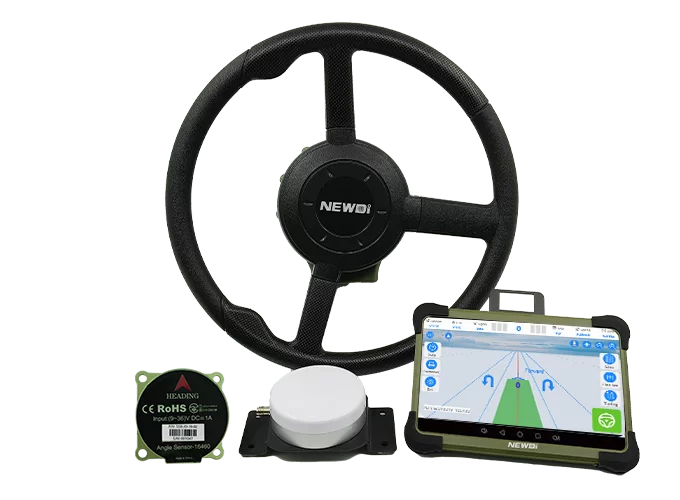
Implementing an auto steer tractor system to eliminate overlap during planting and fertilizing, significantly reducing seed waste.

04. Urban Infrastructure Development in Harare

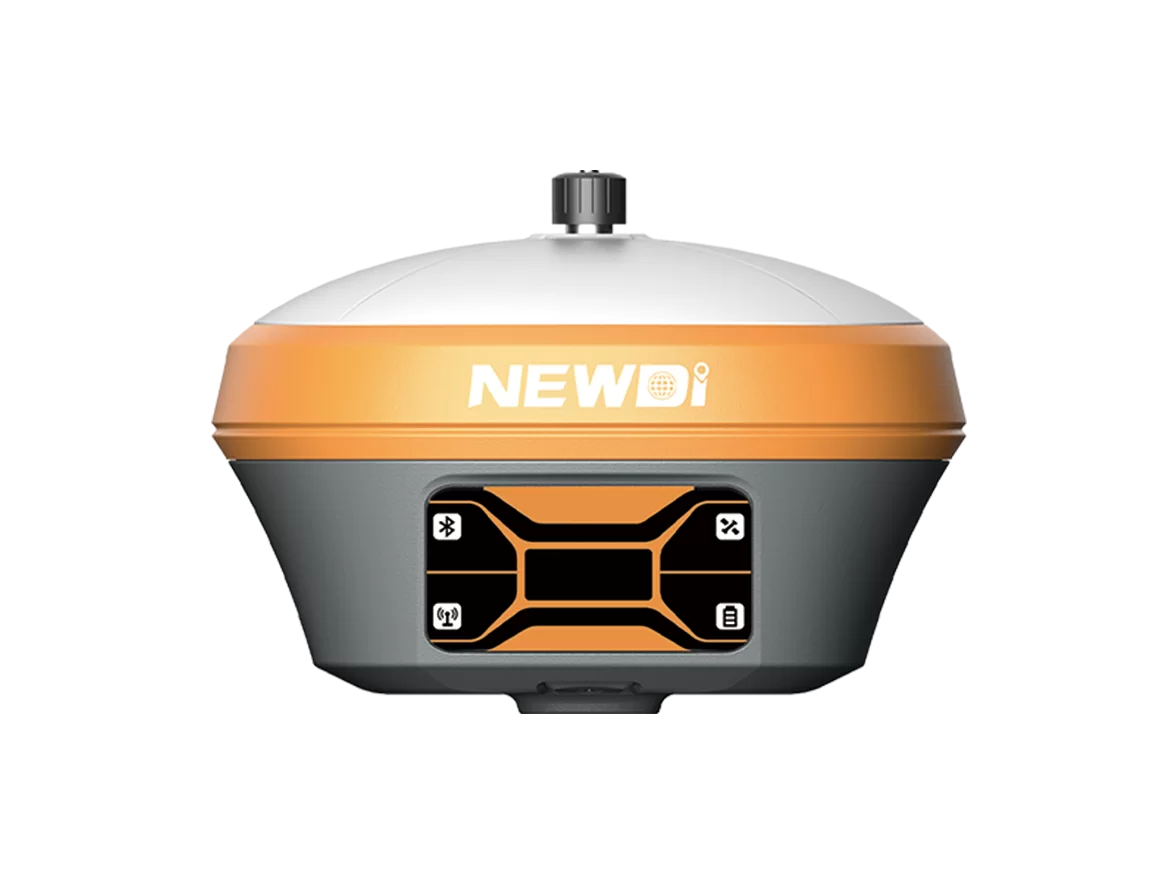
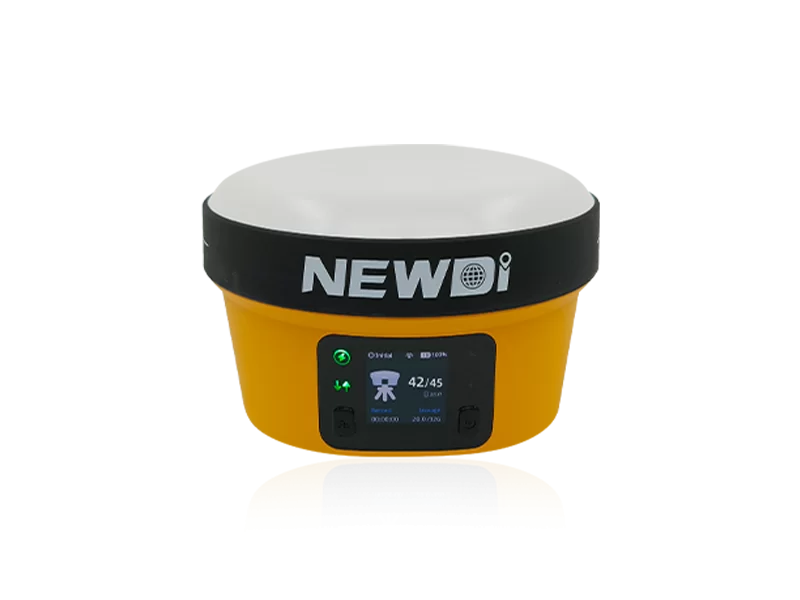
Using a gnss rtk receiver for rapid road alignment and sewage system mapping in expanding urban residential areas.

05. Hydro-Engineering for Dam Construction

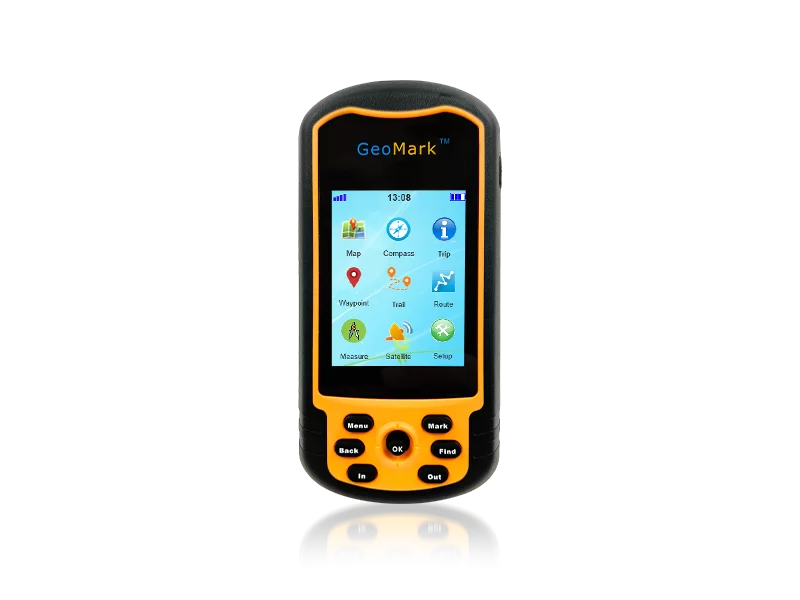
Applying gps diferencial technology for precise water level monitoring and embankment stability analysis in regional irrigation dams.

Brand Story

Global Development Journey of Shanghai NCT Navigation Technology Co., Ltd.

Foundational Innovation

Established with a vision to democratize precision, NCT Navigation began by solving the core stability issues of GNSS signals in complex environments.

Agricultural Breakthrough

Developed industry-leading auto-steering algorithms that allow farmers globally to transition from manual steering to centimeter-level precision.

Global Market Expansion

Expanded operations into Africa, tailoring hardware to withstand extreme temperatures and providing localized support for Zimbabwean enterprises.

Ecosystem Integration

Evolved from a hardware provider to a total solution provider, integrating software, cloud data, and precision instruments into one ecosystem.

Future Commitment

Dedicated to bridging the digital divide in surveying, ensuring that every engineer in Zimbabwe has access to world-class geospatial accuracy.

Comprehensive Precision Portfolio for Zimbabwe

A curated selection of high-performance instruments designed for the African environment.

Zimbabwe Precision Surveying FAQ

Expert answers to common technical queries in the region.

How does a gnss rtk receiver perform in the Eastern Highlands?

Our receivers use multi-frequency and multi-constellation tracking to maintain signal locks even under partial canopy cover, ensuring reliable data collection in mountainous terrain.

Can an auto steer tractor be installed on older tractor models?

Yes, our universal steering kits are designed to be compatible with most mechanical and hydraulic steering systems used in Zimbabwe's agricultural sector.

What is the difference between a total station and GNSS for land surveying?

A total station is ideal for high-precision short-distance measurements without needing satellite signals, while GNSS is superior for large-scale mapping over vast areas.

How do I set up a gps diferencial base station in remote areas?

You can set up a local base station on a known point and transmit corrections via UHF radio to the rover, bypassing the need for internet connectivity.

Which surveying equipment is best for Zimbabwean mining boundaries?

A combination of RTK GNSS for perimeter mapping and a Total Station for precise shaft and gallery measurements is the industry gold standard.

Does the equipment support local coordinate systems in Zimbabwe?

Yes, our software allows for the import of local datum and projection parameters to ensure all coordinates align with national surveying standards.

Ready to Elevate Your Precision?

Contact our specialists today for customized surveying and guidance solutions tailored for Zimbabwe.

Contact Us Now