
Shanghai Newdi Navigation Technology Co.,Ltd

High-Precision GNSS RTK Receiver Solutions for Democratic Republic of the Congo

Empowering infrastructure and agricultural modernization across the DRC with world-class surveying and positioning technology.

High-Precision GNSS RTK Receiver Solutions for Democratic Republic of the Congo

Providing the most reliable geospatial tools to tackle the challenging terrains of the Congo Basin, from dense rainforests to expanding urban centers.

Current State of Geomatics in Democratic Republic of the Congo

Analyzing the intersection of geography and technology in the heart of Africa.

The Democratic Republic of the Congo faces unique challenges in land measurement due to its vast equatorial rainforests and humid climate. Traditional surveying equipment often struggles with signal attenuation under dense canopies, making the demand for high-sensitivity receivers critical for national infrastructure projects.

In the mining sectors of Katanga and Lualaba, the transition toward automated precision is accelerating. The adoption of gps diferencial systems has become essential for open-pit mine mapping and volume calculations, reducing human error in high-risk environments.

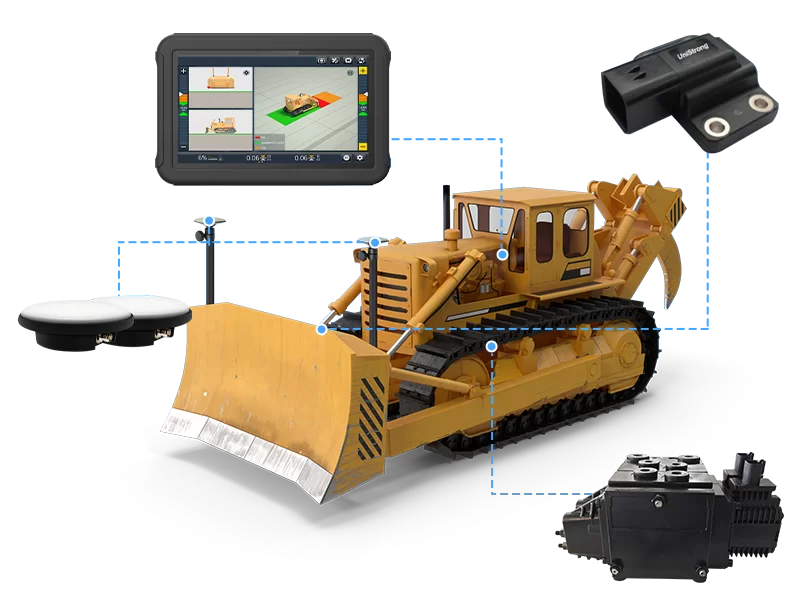
Agriculture in the DRC is currently undergoing a digital pivot. As the government pushes for food security, the integration of auto steer tractor technology is beginning to replace manual steering in large-scale plantations to optimize seed placement and fuel efficiency.

Evolution of Measurement Technology in DRC

From analog optics to real-time satellite kinematics.

Market Development History

Until the early 2000s, land surveying in the Congo relied heavily on mechanical theodolites and basic optical tools. The primary limitation was the extreme time required for traversing difficult terrain, leading to significant delays in land registry and urban planning.

Between 2010 and 2020, the introduction of the electronic total station revolutionized the industry. This allowed surveyors to combine distance and angle measurements digitally, though they still relied on physical line-of-sight, which remained a challenge in the jungle.

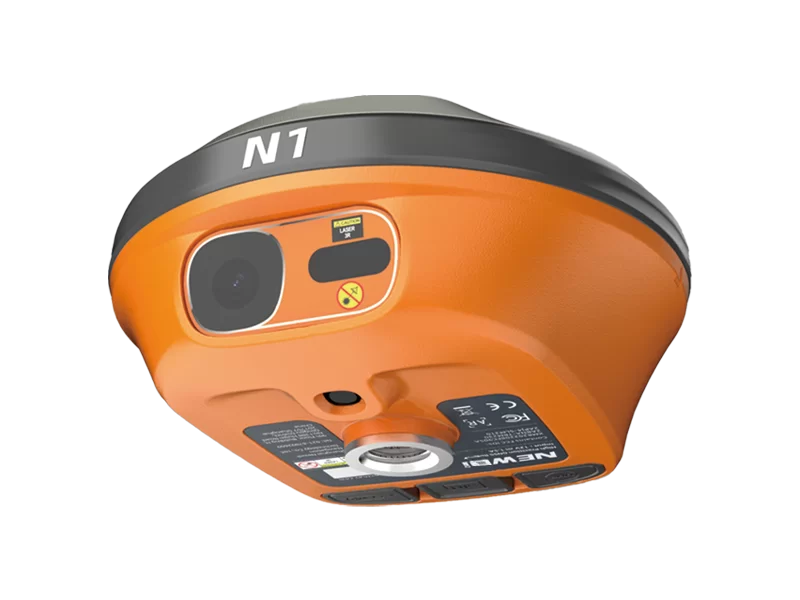
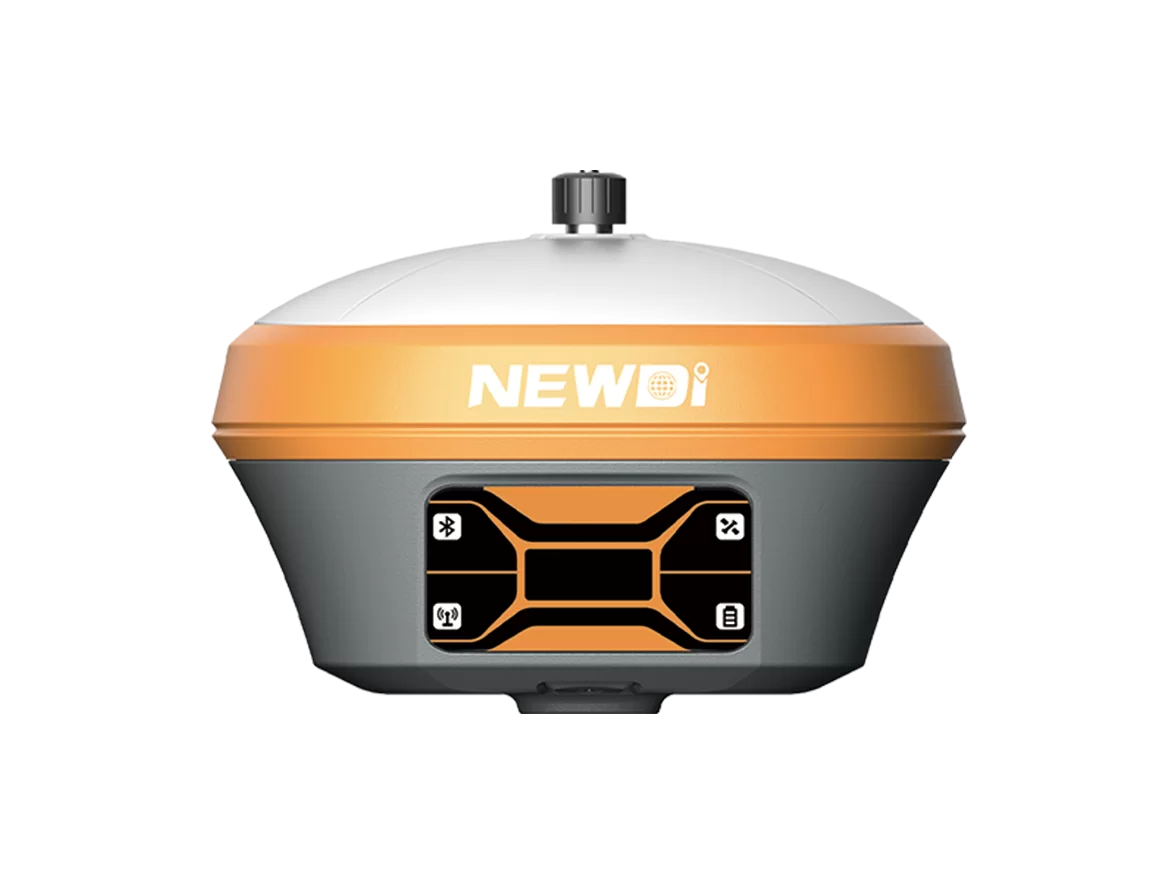
Since 2021, the shift toward GNSS technology has hit a tipping point. The availability of low-cost correction services has made RTK (Real-Time Kinematic) positioning the standard for road construction and mining, moving the industry toward centimeter-level accuracy in real-time.

Future Development Trends

Multi-Constellation Integration

Moving beyond GPS to include GLONASS, Galileo, and BeiDou to ensure signal stability in the deep valleys and dense forests of the Congo.

Autonomous Agricultural Machinery

The rapid expansion of precision farming will see a surge in smart machinery capable of autonomous navigation to maximize crop yields.

Cloud-Based Geospatial Data

Transitioning from local storage to cloud-based GIS platforms for real-time monitoring of environmental changes and urban growth in Kinshasa.

Industry Trends and Future Outlook

Predicting the trajectory of precision instrumentation in Central Africa.

Satellite Convergence
Integration of all global satellite constellations to eliminate dead zones in the Congo Basin.
Precision Ag-Tech
Deployment of automated steering systems to revitalize large-scale subsistence farming.
Real-time Mapping
Shift from static surveys to dynamic, real-time geospatial updates via RTK networks.
AI-Driven Analysis
Applying machine learning to surveying data for predicting soil erosion and landslide risks.

Industry Outlook

Over the next 3-5 years, we anticipate a significant increase in the search volume for "precision agriculture DRC" and "smart mining sensors," mirroring a global trend toward automation. The Democratic Republic of the Congo is poised to leapfrog legacy systems by adopting satellite-based cloud solutions directly.

As connectivity improves through new satellite internet providers, the reliance on localized base stations will decrease, favoring network-RTK services that allow surveyors to work across the vast Congo River basin with unprecedented mobility.

Local Application Scenarios in Democratic Republic of the Congo

Tailored geospatial solutions for the DRC's unique environment.

1. Cobalt and Copper Mine Mapping

Utilizing gps diferencial and high-precision receivers to define precise boundaries and stockpile volumes in the Katanga region, ensuring efficient mineral extraction.

2. Rainforest Infrastructure Development

Applying robust surveying equipment to carve new transport corridors through the dense jungle, using RTK for road alignment and bridge placement.

3. Precision Agriculture in Kinshasa Periphery

Implementing auto steer tractor kits on local cooperatives to reduce overlap in fertilizer application and increase the yield of staple crops.

4. Urban Planning and Cadastral Surveys

Using a total station for high-density urban mapping in Kinshasa to resolve land disputes and modernize the city's digital land registry.

5. Hydroelectric Dam Monitoring

Deploying permanent GNSS stations for millimeter-level monitoring of dam wall stability on the Congo River to ensure public safety and energy security.

Brand Story

Global Development History of Shanghai NCT Navigation Technology Co., Ltd.

Founding Vision

Established with a mission to democratize high-precision positioning, NCT Navigation focused on overcoming the barrier of high costs in surveying technology.

Technological Breakthrough

Developed proprietary RTK algorithms that significantly reduced initialization time, solving a major pain point for field engineers in remote areas.

Global Market Expansion

Expanded operations into Africa, tailoring hardware to withstand extreme heat and humidity, ensuring reliability in the harshest environments.

Agricultural Innovation

Launched the integrated auto-steering series, bridging the gap between traditional farming and the Fourth Industrial Revolution.

Sustainable Future

Committed to supporting the "Green DRC" initiative by providing tools for sustainable forest management and precise land use planning.

Comprehensive Precision Positioning Portfolio for DRC

Integrated tools for mining, agriculture, and civil engineering.

Common Questions for Surveying in Democratic Republic of the Congo

Expert answers to local technical challenges.

How does a GNSS RTK receiver perform under heavy rainforest canopy?

While dense foliage can obstruct signals, our receivers use multi-constellation tracking to maximize satellite availability, though combining RTK with a total station is recommended for the densest areas.

Can auto steer tractor systems be installed on older machinery in DRC?

Yes, our universal steering kits are designed to be retrofitted onto most mechanical tractor models common in Central Africa, providing instant precision upgrades.

What is the difference between GPS diferencial and standard GPS for mining?

Standard GPS provides meter-level accuracy, whereas differential GPS uses a reference station to correct errors, achieving centimeter-level precision essential for mining boundaries.

Which surveying equipment is best for road construction in Kinshasa?

A combination of RTK GNSS for long-distance alignment and a total station for precise urban point control is the most efficient setup for Kinshasa's infrastructure.

How do I handle data transmission in areas with poor cellular coverage in DRC?

Our systems support long-range UHF radio transmission as an alternative to cellular NTRIP, ensuring you stay connected even in remote provinces.

Are these instruments durable enough for the humid Congo climate?

Our equipment is IP67 or IP68 rated, meaning it is fully dust-proof and waterproof, specifically tested to operate in high-humidity tropical environments.

Get Your Precision Solution Today

Our experts are ready to help you optimize your projects in the Democratic Republic of the Congo with the latest in geospatial technology.

Contact Us Now