


Shanghai Newdi Navigation Technology Co.,Ltd

Precision Positioning Solutions for gnss rtk receiver in Ethiopia

Empowering Ethiopia's infrastructure and agricultural growth with world-class measurement and guidance technology.

Precision Positioning Solutions for gnss rtk receiver in Ethiopia

Integrating advanced surveying equipment to drive efficiency in Ethiopian land management and precision farming.

Current State of Geomatics in Ethiopia

Analyzing the intersection of rugged terrain and high-precision measurement needs.

Ethiopia's diverse topography, ranging from the highlands of the Great Rift Valley to lowland plains, presents unique challenges for traditional land measurement. Currently, the demand for professional surveying equipment is surging due to massive urban expansion in Addis Ababa and critical rural land redistribution programs.

In the agricultural sector, the shift from subsistence farming to commercial production has created a gap in machinery efficiency. The introduction of the auto steer tractor is beginning to address the need for precision planting and reduced overlap in large-scale Ethiopian wheat and teff plantations.

Despite the progress, many regions still rely on outdated methods. The adoption of gps diferencial technology is critical to overcoming signal interference in mountainous regions, ensuring that infrastructure projects like the Grand Ethiopian Renaissance Dam maintain millimeter-level accuracy.
Evolution of Measuring Instruments in Ethiopia

From optical measurements to satellite-driven autonomous guidance.

Market Development History

Before 2010, the Ethiopian market was dominated by manual optical tools and basic theodolites. Most boundary disputes were settled using rudimentary markers, leading to significant inefficiencies in land titling.

Between 2010 and 2020, the industry saw a transition toward digital electronics. The total station became the standard for construction and cadastral surveying, allowing for faster data collection and digital mapping of urban centers.

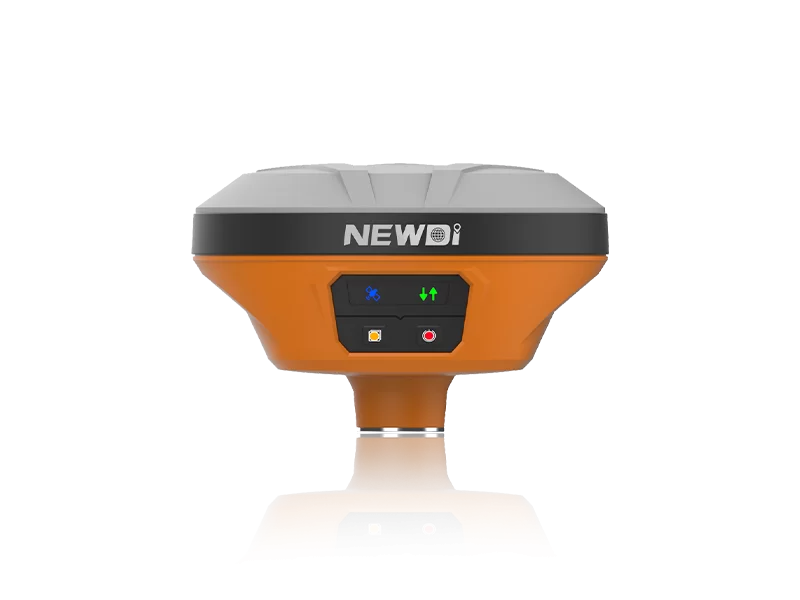
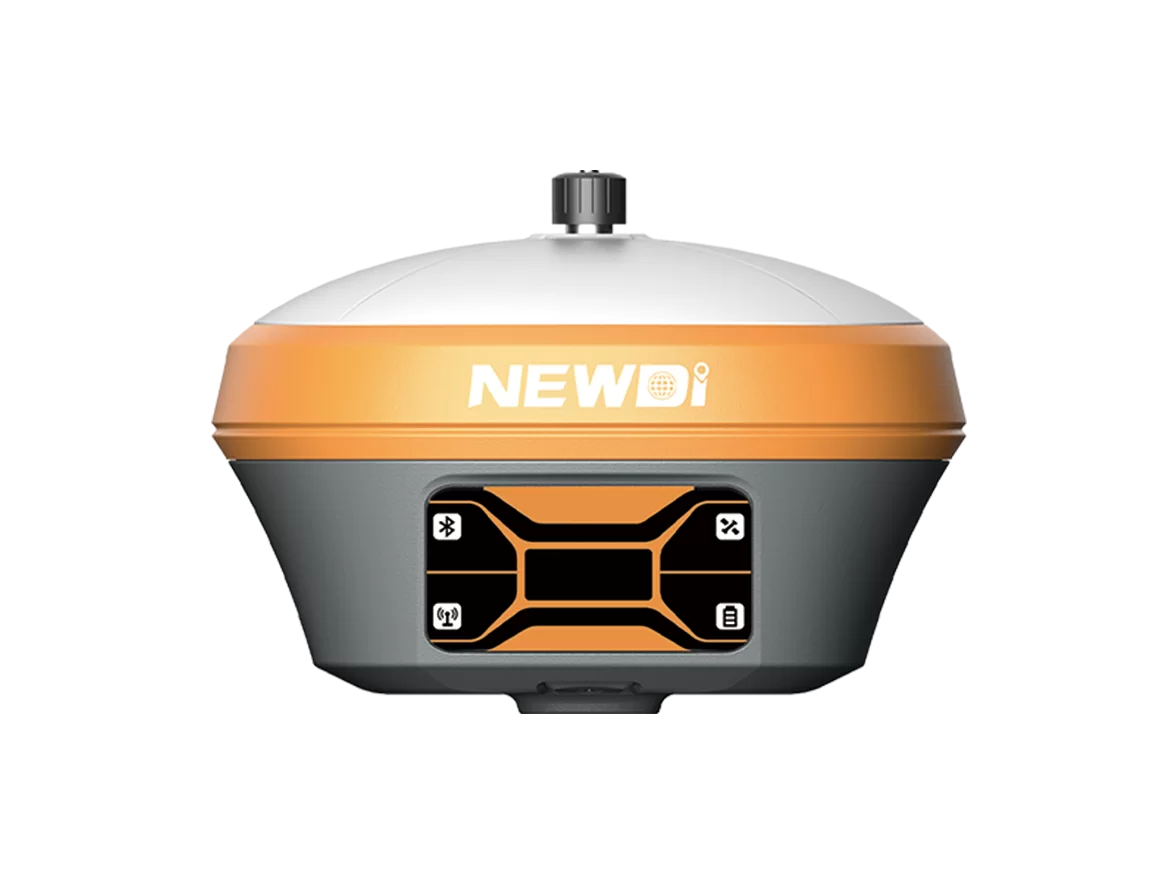
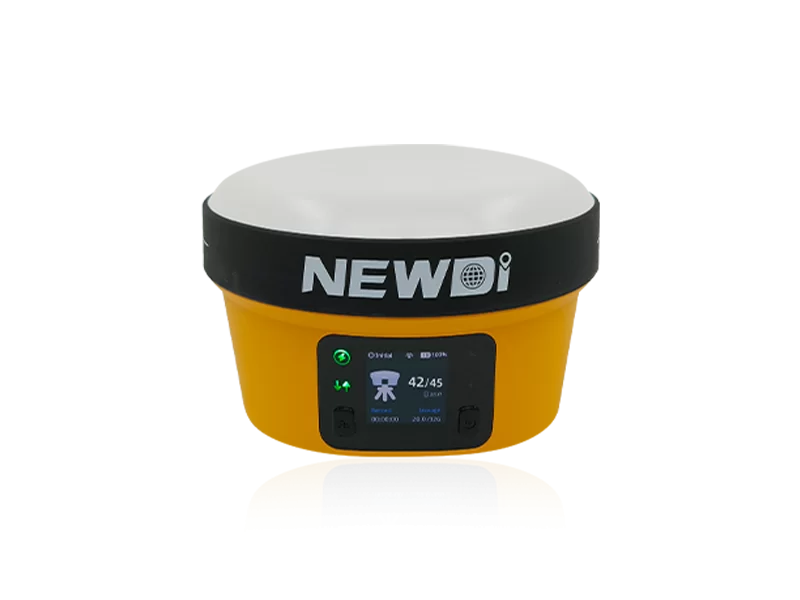
From 2020 to the present, the shift toward GNSS has accelerated. The deployment of the gnss rtk receiver has revolutionized the speed of surveying, removing the need for line-of-sight measurements in dense Ethiopian forests and highlands.

Future Development Trends

Integration of AI in Mapping

We expect a surge in AI-driven data processing to automatically classify Ethiopian land use from RTK-collected point clouds.

Expansion of Autonomous Agriculture

The adoption rate of autonomous steering will increase as Ethiopia seeks to maximize food security through precision agriculture.

Cloud-Based Spatial Data Infrastructure

Moving from local storage to cloud-based GIS platforms will enable real-time collaboration between Ethiopian government agencies and private contractors.

Industry Trends and Future Outlook

Strategizing for the next era of Ethiopian measurement technology.

High-Precision RTK Expansion
Increasing adoption of multi-constellation receivers to ensure signal stability in deep Ethiopian valleys.
Agri-Tech Automation
Scaling the use of automated steering for large-scale crop production in the Oromia and Amhara regions.
Hybrid Surveying Workflows
Combining total stations with GNSS to optimize accuracy in dense urban areas of Addis Ababa.
IoT-Enabled Monitoring
Implementing continuous deformation monitoring for critical Ethiopian bridge and road infrastructure.

Industry Outlook

The Ethiopian measurement market is shifting toward an ecosystem approach. We anticipate that the integration of satellite correction services will reduce the dependence on physical base stations, making high-precision surveying more accessible to small-scale local firms.

Furthermore, as Ethiopia aligns with global ESG standards, the demand for precision tools to monitor deforestation and land erosion will grow, positioning high-end measurement instruments as essential tools for environmental sustainability.

Localized Application Scenarios in Ethiopia

Practical deployment of precision instruments in the Ethiopian context.

01. Urban Infrastructure Expansion in Addis Ababa

Using a total station for precise building layout and road alignment in the rapidly growing capital city to prevent encroachment and ensure structural integrity.

02. Large-Scale Irrigation Projects in the Lowlands

Deploying a gnss rtk receiver to design and implement efficient water distribution networks across vast agricultural plains.

03. Precision Teff and Coffee Farming

Implementing the auto steer tractor to optimize seed placement and fertilizer application, increasing yield per hectare for Ethiopia's key exports.

04. Boundary Mapping for Rural Land Titling

Utilizing gps diferencial technology to create legally binding land registries, reducing land-use conflicts in rural communities.

05. Hydroelectric Dam Construction Monitoring

Combining professional surveying equipment for continuous monitoring of dam wall stability and reservoir boundary mapping.

Brand Story

Global Development Journey of Shanghai NCT Navigation Technology Co., Ltd.

Foundational Innovation

Established with a vision to solve the complexities of spatial positioning, focusing on the core R&D of high-precision GNSS modules.

Agricultural Breakthrough

Developing the first generation of autonomous steering systems to solve the problem of inefficiency in large-scale farming.

Global Market Expansion

Expanding our footprint into Africa and Asia, tailoring our hardware to survive extreme climates and rugged terrains.

Technological Convergence

Integrating IoT and Cloud computing into our measurement tools to provide real-time spatial intelligence globally.

Commitment to Sustainability

Focusing on precision technology that reduces waste in farming and optimizes resource use in infrastructure development.

Comprehensive Precision Portfolio for Ethiopia

A full suite of tools designed for the unique geographical needs of the Ethiopian market.

Common Questions in Ethiopian Geomatics

Expert answers to the most frequent technical inquiries from our local users.

How does a gnss rtk receiver perform in Ethiopia's highland areas?

Our receivers use multi-constellation tracking to mitigate signal blockage caused by steep terrain, ensuring consistent centimeter-level accuracy even in the highlands.

Can an auto steer tractor be installed on older tractor models used in Ethiopia?

Yes, our systems are designed for universal compatibility, featuring both electric and hydraulic steering options to retrofit a wide range of machinery.

What is the difference between a total station and GNSS for urban surveys in Addis Ababa?

Total stations are superior for high-precision work in "urban canyons" where satellites are blocked, while GNSS is faster for wide-area boundary mapping.

Why is gps diferencial technology important for Ethiopian land registry?

Differential GPS eliminates common atmospheric errors, providing the high precision required to avoid land disputes and ensure legal accuracy in titling.

What maintenance is required for surveying equipment in dusty Ethiopian environments?

We recommend regular lens cleaning and utilizing IP67-rated rugged housings to protect internal electronics from fine dust and humidity.

How long does it take to train local staff on high-precision GNSS systems?

With our intuitive software interface, most technicians become proficient in basic data collection within 3-5 days of hands-on training.

Expert Guidance for Your Precision Needs

Our technical team is ready to support the growth of infrastructure and agriculture in Ethiopia.

Contact Us Now